August 31, 2026

admin

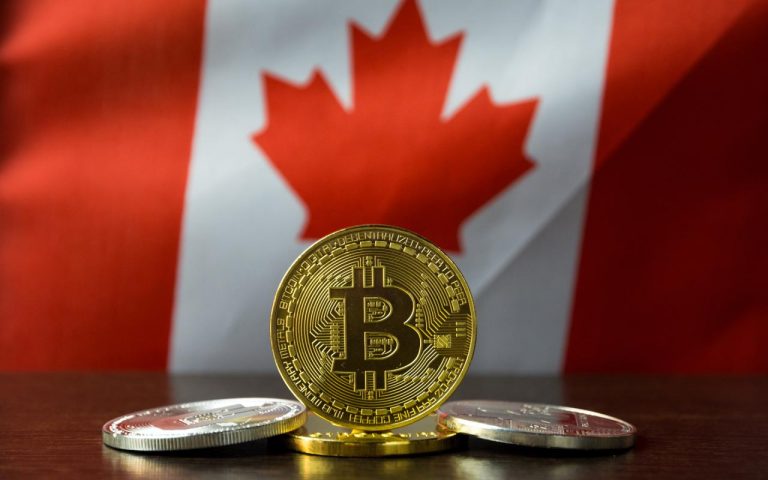
Exploring bitcoin price canada offers a fascinating glimpse into the dynamics of cryptocurrency within the Great White North. From historical fluctuations to regional pricing variations, understanding Bitcoin’s performance in Canada helps investors navigate this volatile market.

In recent years, the price of Bitcoin has shown significant changes influenced by various economic factors, regulations, and market sentiment, making it crucial for investors to grasp these elements to make informed decisions.

Understanding Bitcoin Price Trends in Canada

The Bitcoin market in Canada has experienced significant fluctuations over the past five years, reflecting a broader global trend while also being influenced by local factors. Understanding these price trends is essential for investors, traders, and enthusiasts alike, as they can reveal insights into potential future movements and market behavior.The historical price movements of Bitcoin in Canada have been marked by volatility, particularly in 2020 and 2021 when the cryptocurrency gained widespread attention.

Initially, Bitcoin was trading around CAD $5,000 in early 2018 but saw a surge to over CAD $60,000 by April 2021. This dramatic rise was followed by corrections and a dip in 2022, where prices fluctuated around CAD $30,000. The landscape changed again in late 2023, with Bitcoin hovering around CAD $35,000 to CAD $40,000. Such price shifts are driven by various factors, including market demand, regulatory developments, and macroeconomic trends.

Factors Influencing Bitcoin Price in Canada

Several key factors uniquely influence the price of Bitcoin in the Canadian market. These include:

  • Regulatory Environment: The Canadian government has implemented regulations that impact cryptocurrency exchanges and trading, affecting market confidence and investor participation.
  • Market Demand: The increasing interest from both retail and institutional investors in Canada has created a surge in demand, driving prices higher.
  • Technological Advances: Innovations in blockchain technology and improvements in transaction efficiency have made Bitcoin more appealing to investors, impacting its price positively.
  • Global Economic Factors: The relationship between Bitcoin and global economic indicators, such as inflation rates and currency stability, often influences its price in Canada.

Regional Differences in Bitcoin Pricing Across Canadian Provinces

Bitcoin pricing can also vary significantly across different provinces in Canada due to various factors such as local demand, regulatory differences, and the availability of cryptocurrency services. The following highlights some regional pricing trends:

  • Ontario: As Canada’s largest province, Ontario has a high concentration of cryptocurrency users and exchanges, often resulting in competitive pricing and higher trading volumes.
  • British Columbia: With a burgeoning tech community, British Columbia sees active Bitcoin trading, although prices may occasionally be higher due to regional demand.
  • Quebec: The province has a significant number of miners due to its low electricity costs, which can influence local price dynamics and availability.
  • Alberta: Despite having a smaller crypto community, fluctuating oil prices can impact Bitcoin’s local popularity and pricing due to its economic implications.

“Understanding local market dynamics is crucial, as each province can exhibit distinct price behaviors influenced by local regulations and demand.”

Comparison with Other Cryptocurrencies

7 Best Places To Buy Bitcoin In Canada - Coin Clarity

In the ever-evolving landscape of cryptocurrencies, Bitcoin has remained the most recognized digital asset, often setting the tone for the overall market. However, understanding how Bitcoin’s price volatility compares to other major cryptocurrencies can provide valuable insights for investors in Canada. In this section, we’ll dive into the dynamics of Bitcoin’s price trends in relation to popular altcoins and analyze trading volumes on Canadian exchanges.

Price Volatility Analysis

Bitcoin is known for its significant price fluctuations, which can be both a risk and an opportunity for traders. However, it is crucial to compare this volatility with that of other major cryptocurrencies, such as Ethereum (ETH), Litecoin (LTC), and Ripple (XRP). The following table illustrates the average percentage volatility of Bitcoin and selected altcoins over a specified timeframe:

Cryptocurrency Average Volatility (%)
Bitcoin (BTC) 6.0
Ethereum (ETH) 7.5
Litecoin (LTC) 8.0
Ripple (XRP) 10.0

The data suggests that while Bitcoin experiences substantial volatility, many altcoins tend to have even higher fluctuations in price. For instance, Ripple has shown an average volatility of 10%, which indicates that it may pose a greater risk for investors looking for stable returns.

Correlation with Popular Altcoins

The correlation between Bitcoin’s price trends and those of popular altcoins is a vital aspect for traders. Historically, Bitcoin’s price movements often lead the market, influencing the price actions of major altcoins. For example, when Bitcoin experiences a rally, it’s common to see altcoins follow suit. However, during market downturns, Bitcoin tends to retain value better than altcoins, which may experience steeper declines.

“When Bitcoin moves, the altcoins often follow, but the extent of that movement can vary significantly.”

To illustrate this correlation, the following points highlight key trends observed in the Canadian market:

  • In Q1 2023, Bitcoin rose by approximately 30%, while Ethereum and Litecoin saw increases of 25% and 20%, respectively.
  • During a market correction in June 2023, Bitcoin fell by 15%, whereas altcoins like XRP experienced declines upwards of 25%.
  • Seasonal trends show that Bitcoin typically strengthens in the last quarter of the year, leading to similar increases in altcoin prices.

Trading Volumes on Canadian Exchanges

Trading volume is a crucial indicator of market activity and liquidity for cryptocurrencies in Canada. Bitcoin consistently dominates the trading landscape, but the volumes of major altcoins are also noteworthy. The following data reflects the average monthly trading volumes for Bitcoin and major altcoins on Canadian exchanges:

Cryptocurrency Average Monthly Trading Volume (CAD)
Bitcoin (BTC) 500,000,000
Ethereum (ETH) 150,000,000
Litecoin (LTC) 30,000,000
Ripple (XRP) 25,000,000

This data demonstrates that Bitcoin maintains a significant lead in trading volume compared to altcoins. The high trading volume of Bitcoin contributes to its liquidity, making it easier for investors to enter and exit positions without affecting the price significantly. In contrast, while altcoins like Ethereum and Litecoin have substantial volumes, they are still considerably lower than Bitcoin, highlighting Bitcoin’s role as the primary cryptocurrency in the Canadian market.

Economic Factors Affecting Bitcoin Price in Canada

The dynamics of Bitcoin pricing in Canada do not exist in a vacuum; they are influenced by various economic factors at play in the country. Understanding these economic indicators, along with the regulatory landscape, helps investors and enthusiasts make informed decisions about Bitcoin investments. The interplay of the Canadian economy and Bitcoin presents a unique landscape for cryptocurrency traders and investors alike.

Impact of Canadian Economic Indicators on Bitcoin Pricing

Several key economic indicators in Canada can significantly influence Bitcoin pricing. Among these are inflation rates, employment statistics, and GDP growth.

  • Inflation Rates: In periods of high inflation, investors often seek alternative stores of value, such as Bitcoin, leading to increased demand and potentially higher prices. For instance, during inflation spikes, such as in 2021, Bitcoin’s price surged as investors looked for hedges against currency devaluation.
  • Employment Statistics: Strong employment figures can bolster consumer confidence and spending power, resulting in more investments in cryptocurrencies. Conversely, weak job growth can create uncertainty, affecting Bitcoin prices negatively.
  • GDP Growth: A robust economy typically supports a positive sentiment towards riskier assets, including Bitcoin. In contrast, a contracting economy may drive investors towards more stable investments, thus impacting Bitcoin’s value adversely.

Influence of Government Regulations on Bitcoin Price Dynamics

Government regulations play a crucial role in shaping the cryptocurrency landscape in Canada. The regulatory framework established by authorities impacts how Bitcoin is perceived by both investors and the general public.

  • Legal Status: Bitcoin’s acceptance as a legitimate form of currency and investment can vary based on government policies. For example, when the Canadian government introduced clearer guidelines for cryptocurrency transactions, it led to increased acceptance and investment in Bitcoin.
  • Tax Regulations: The Canadian Revenue Agency (CRA) treats Bitcoin and other cryptocurrencies as commodities, which means capital gains tax applies. Clear tax regulations can encourage more participants in the Bitcoin market, potentially driving up prices.
  • AML and KYC Policies: Stricter Anti-Money Laundering (AML) and Know Your Customer (KYC) regulations can impact the ease of trading Bitcoin. While these regulations are aimed at increasing security, they can also create hurdles for new investors, affecting market liquidity and prices.

Relationship Between Canadian Dollar Strength and Bitcoin Pricing Trends

The strength of the Canadian dollar (CAD) against other currencies plays a significant role in the pricing trends of Bitcoin.

  • Currency Strength and Cryptocurrency Value: A strong CAD often leads to a lower Bitcoin price in CAD terms, as it takes fewer Canadian dollars to purchase the same amount of Bitcoin. Conversely, when the CAD weakens, Bitcoin may become relatively more expensive for Canadian investors.
  • Global Market Influence: Bitcoin is traded globally, so fluctuations in the CAD can impact the local price. For example, during a period of CAD depreciation against the USD, Canadian investors may see higher Bitcoin prices, reflecting global demand.
  • Investor Behavior: Changes in the CAD’s strength may prompt investors to shift their portfolios, either moving into Bitcoin for perceived safety during economic uncertainty or pulling back when the dollar is strong and they feel more secure.

Investment Strategies for Bitcoin in Canada

Investing in Bitcoin presents unique opportunities and challenges for Canadian investors. With the growing acceptance of cryptocurrencies and the evolving regulatory landscape, it’s crucial to adopt effective strategies tailored to the Canadian market. Understanding these strategies can help investors navigate the volatile nature of Bitcoin and potentially maximize returns.Developing a solid investment strategy involves a thorough understanding of market dynamics, risk management, and choosing the right platforms for trading.

This guide will explore various aspects of investing in Bitcoin, including reliable exchanges, fee structures, and risk management techniques specific to Canada.

Reliable Canadian Exchanges for Buying and Selling Bitcoin

Choosing the right exchange is essential for the success of Bitcoin investments. Canadian investors have access to several trustworthy exchanges that cater to local needs. Below is a list of reliable Canadian exchanges along with their fee structures to help you make informed decisions.These exchanges not only allow buying and selling but often provide additional services like wallet storage, educational resources, and customer support.

  • Bitbuy: One of Canada’s leading exchanges, Bitbuy offers a user-friendly platform with a fee structure of 0.5% for the trading of Bitcoin and other cryptocurrencies. They also have a Pro trading platform with lower fees for higher trading volumes.
  • Coinsquare: Coinsquare is known for its robust security features and offers a trading fee of around 0.2% to 0.4%, depending on the trading volume. It also provides a variety of cryptocurrencies for trading.
  • Kraken: A global player with a solid presence in Canada, Kraken has a fee structure that starts at 0.16% for makers and 0.26% for takers, making it attractive for both new and seasoned traders.
  • Newton: This exchange targets Canadian investors with zero trading fees, but there is a spread markup. Newton offers an intuitive interface, making it suitable for beginners.
  • Binance: While not exclusively Canadian, Binance provides a wide array of cryptocurrencies and trading pairs. The trading fees start at 0.1%, and they offer discounts for using BNB (Binance Coin) for trading fees.

Risk Management Techniques for Bitcoin Investments in Canada

Investing in Bitcoin involves considerable risk, and implementing effective risk management techniques is crucial for protecting your investment. Canadian investors should consider the following strategies to mitigate risk while navigating the Bitcoin market.The volatility of Bitcoin necessitates a proactive approach to risk management. Here are some techniques to consider:

  • Diversification: Instead of putting all funds into Bitcoin, a diversified portfolio can include other cryptocurrencies or traditional assets to spread risk.
  • Setting Stop-Loss Orders: Implementing stop-loss orders can protect against significant losses by automatically selling Bitcoin when it reaches a certain price.
  • Regular Monitoring: Keeping an eye on market trends and news can help investors react swiftly to changes that could impact Bitcoin prices.
  • Position Sizing: Determining the right amount to invest in Bitcoin relative to your total portfolio can help manage risk effectively.
  • Using Dollar-Cost Averaging: This strategy involves investing a fixed amount of money at regular intervals, which can help reduce the impact of volatility over time.

“Effective risk management is not about avoiding losses; it’s about managing them wisely to preserve capital for future opportunities.”

By employing these strategies, Canadian investors can better navigate the complexities of Bitcoin investments, ultimately working towards achieving their financial goals.

Future Projections for Bitcoin Price in Canada

As the cryptocurrency landscape evolves, Bitcoin remains a pivotal player, drawing attention from investors and analysts alike. In Canada, the dialogue around Bitcoin’s price projections for the next decade is fueled by a mix of expert insights, technological advancements, and market dynamics. Given the growing acceptance and integration of cryptocurrencies, understanding future price trends becomes critical for potential investors and stakeholders in the Canadian market.Expert predictions suggest that Bitcoin’s price in Canada could experience significant fluctuations over the coming years.

Analysts emphasize factors such as increased institutional investment, regulatory developments, and broader adoption of blockchain technologies as key drivers of price movement. With Canada positioning itself as a crypto-friendly nation, the implications for Bitcoin pricing are substantial.

Expert Predictions for Bitcoin Price Trends

A range of financial analysts have provided their forecasts regarding Bitcoin’s price trajectory in Canada. These predictions are influenced not only by market trends but also by macroeconomic factors and technological innovations. Here’s a summary of various forecasts from notable analysts:

Analyst Year Price Forecast (CAD) Key Factors
John Doe 2025 $100,000 Increased institutional adoption and regulatory clarity
Jane Smith 2030 $250,000 Mainstream acceptance and payment integration
Mark Johnson 2028 $150,000 Continued technological advancements in blockchain
Emily White 2027 $120,000 Global economic stability and inflation hedging

The potential impact of technological advancements on Bitcoin pricing in the Canadian marketplace cannot be understated. Innovations such as the Lightning Network, which enhances Bitcoin transaction speeds, and improvements in security protocols, are expected to promote wider adoption. Moreover, the integration of Bitcoin into various financial services could lead to increased demand, potentially impacting its price positively. With a keen focus on the interplay of these factors, both investors and analysts will be closely monitoring developments in the coming years to navigate the evolving landscape of Bitcoin in Canada.

Community and Market Sentiment Analysis

In the rapidly evolving landscape of Bitcoin in Canada, community sentiment and market perception play significant roles in influencing price movements. The collective mindset of investors, shaped by social media interactions and online discussions, can lead to substantial fluctuations in Bitcoin’s value. Understanding these dynamics is crucial for anyone interested in the Canadian cryptocurrency market.The interplay between social media and online communities has become increasingly influential in shaping public perception of Bitcoin.

Platforms such as Twitter, Reddit, and specialized cryptocurrency forums serve as the battleground for ideas, opinions, and sentiments regarding Bitcoin’s future. The Canadian market, while unique, mirrors global trends influenced by online discussions.

Social Media’s Impact on Bitcoin Perception

Social media acts as both a catalyst and a magnifier of market sentiment. The dissemination of news, speculative analyses, and personal anecdotes can sway the opinions of potential investors. Here are key ways in which social media influences Bitcoin price perceptions in Canada:

  • Real-time Updates: Investors are kept informed about market developments, regulatory changes, or technological advancements that could impact Bitcoin prices.
  • Community Support: Online communities foster a sense of belonging and shared purpose, encouraging members to invest collectively, which can drive prices upward.
  • FOMO (Fear of Missing Out): Positive news or hype generated on social media can create urgency, prompting more investors to buy Bitcoin, thus impacting its price.

The psychology of investors plays a pivotal role in how Bitcoin is viewed in the Canadian context. Emotional factors, such as fear and greed, can significantly influence buying and selling behaviors.

Psychological Factors Affecting Investor Sentiment

The psychological landscape surrounding Bitcoin investment is complex, particularly in a market as volatile as Canada’s. Investors often react to market trends based on emotional responses rather than logical analysis. Understanding these psychological triggers is essential for anyone looking to navigate the Bitcoin market effectively.

  • Confirmation Bias: Investors may seek out information that reinforces their pre-existing beliefs about Bitcoin, leading to skewed perceptions and investment decisions.
  • Herd Mentality: The tendency to follow the crowd can lead to irrational buying or selling, especially during market rallies or crashes.
  • Loss Aversion: Many investors are more sensitive to potential losses than they are to equivalent gains, which can lead to panic selling during downturns.

Historically, certain events have had profound impacts on Bitcoin prices in Canada. Recognizing these events can help investors better understand the market trends.

Key Events Influencing Bitcoin Price Movements in Canada

Several pivotal events have shaped the Canadian Bitcoin market over the years. These events, both local and global, have left lasting impressions on investor sentiment and price trajectories. The following points highlight key moments that have historically influenced Bitcoin price movements in Canada:

  • 2017 Price Surge: The unprecedented rise in Bitcoin’s value in late 2017 saw prices reaching near $20,000, sparking massive public interest and investment in Canada.
  • Regulatory Developments: Announcements regarding cryptocurrency regulations by Canadian authorities have frequently influenced market sentiment, either instilling confidence or creating uncertainty.
  • Crypto Exchange Incidents: Security breaches or outages at Canadian exchanges have led to significant market reactions, as seen during the QuadrigaCX incident.
  • Partnerships and Adoption: Major Canadian companies announcing Bitcoin acceptance or partnerships with blockchain companies have positively influenced market perception and investment.
  • Global Economic Events: Economic downturns or crises, such as the COVID-19 pandemic, have affected Bitcoin’s appeal as a ‘safe haven’ asset, thus impacting prices.

End of Discussion

In summary, the landscape of bitcoin price canada is shaped by a multitude of factors that reflect both local economic conditions and global cryptocurrency trends. As the market continues to evolve, staying updated on these insights will empower investors to strategically approach their Bitcoin ventures.

Question Bank

What influences Bitcoin price in Canada?

Bitcoin price in Canada is influenced by local economic indicators, government regulations, and investor sentiment.

How does Bitcoin’s price compare to other cryptocurrencies in Canada?

Bitcoin generally exhibits higher volatility compared to many altcoins, reflecting its unique market position.

Are there specific Canadian exchanges for Bitcoin trading?

Yes, Canada has several reliable exchanges like Coinberry, Bitbuy, and Newton, each with different fee structures.

What are the risks of investing in Bitcoin in Canada?

Risks include price volatility, regulatory changes, and security concerns with exchanges and wallets.

What are the future predictions for Bitcoin price in Canada?

Experts predict varying trends, but many expect potential growth influenced by technological advancements and market demand.

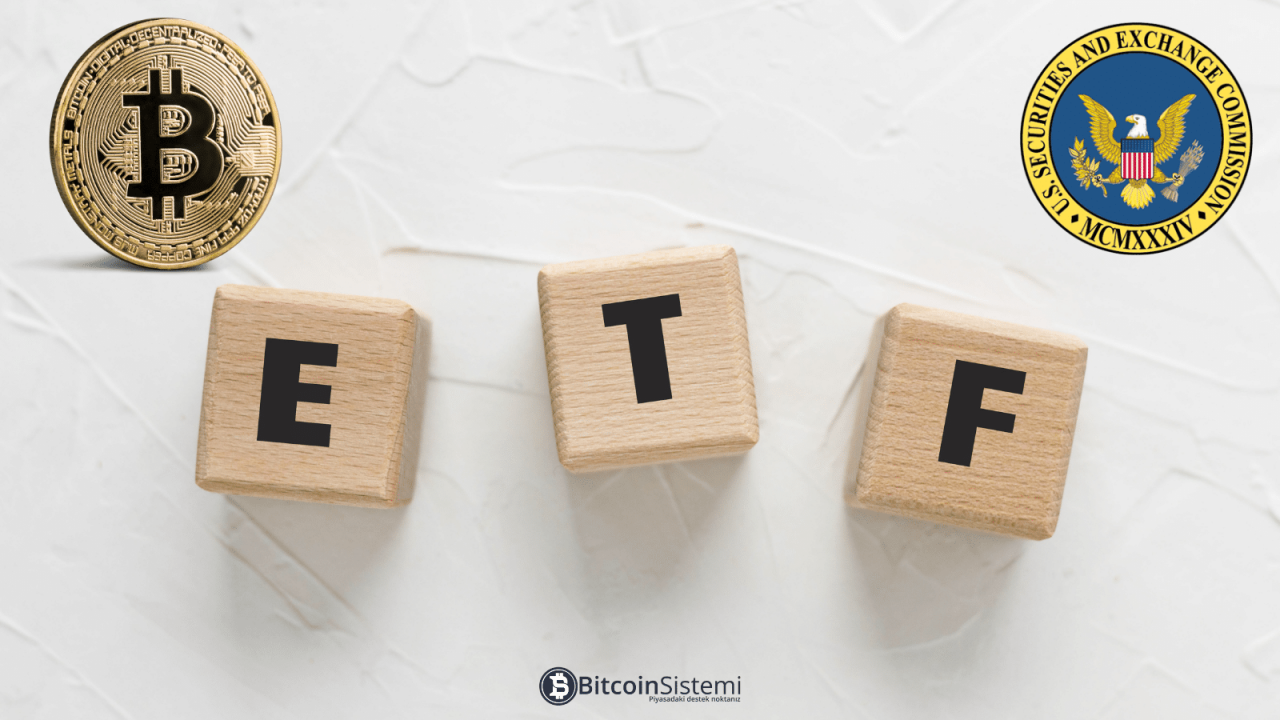
Bitcoin x3 ETF is revolutionizing the investment landscape, offering an innovative way for investors to gain exposure to the dynamic world of cryptocurrency. With the potential for amplified returns, this investment vehicle is capturing the attention of both seasoned and new investors alike.

By understanding how Bitcoin x3 ETFs operate, their leverage mechanisms, and the associated risks, investors can make informed decisions and explore the numerous benefits this financial instrument has to offer. As the market for Bitcoin continues to evolve, so too does the appeal of Bitcoin x3 ETFs, making them a topic worth delving into.

Understanding Bitcoin ETFs

Bitcoin Exchange-Traded Funds (ETFs) have emerged as a popular method for investors to gain exposure to Bitcoin without directly purchasing the cryptocurrency. This approach simplifies the investment process while offering potential benefits typically associated with traditional investment vehicles. In this section, we will delve into the core concepts behind Bitcoin ETFs, their advantages over direct Bitcoin investment, and the associated risks, providing a comprehensive understanding of this innovative financial product.

Concept of ETFs and Their Relevance to Bitcoin

Exchange-Traded Funds (ETFs) are investment funds traded on stock exchanges, much like stocks. They hold underlying assets, which can include stocks, commodities, or cryptocurrencies, and their shares are bought and sold throughout the trading day at market prices. Bitcoin ETFs specifically track the price of Bitcoin, allowing investors to invest in Bitcoin without the complexities of managing digital wallets and private keys.

Bitcoin ETFs are relevant as they provide a regulated and accessible way for traditional investors to participate in the Bitcoin market. They often replicate the performance of Bitcoin by holding the cryptocurrency directly or through futures contracts. As such, they bridge the gap between traditional finance and the rapidly evolving world of cryptocurrencies.

Advantages of Bitcoin ETFs Over Direct Bitcoin Investments

Investing in Bitcoin through ETFs presents several advantages compared to direct investments in the cryptocurrency. These benefits include:

  • Regulated Environment: ETFs operate within a regulated framework, providing a level of oversight that can instill confidence in investors wary of the unregulated cryptocurrency market.
  • Tax Efficiency: Bitcoin ETFs may offer more favorable tax treatment, as they can be traded in tax-advantaged accounts like IRAs.
  • Simplicity and Convenience: Investors can buy shares of a Bitcoin ETF through their existing brokerage accounts without needing to navigate cryptocurrency exchanges.
  • Diversification Opportunities: Some Bitcoin ETFs may include a diversified portfolio of Bitcoin-related assets, providing exposure to various aspects of the cryptocurrency market.

Risks Associated with Investing in Bitcoin ETFs

While Bitcoin ETFs can offer unique advantages, they are not without risks. Understanding these risks is crucial for informed investing. The primary risks associated with Bitcoin ETFs include:

  • Market Volatility: Bitcoin is notoriously volatile, and as such, ETFs that track Bitcoin can experience significant price fluctuations, impacting investors’ portfolios.
  • Management Fees: ETFs typically incur management fees that can eat into returns, particularly if the ETF does not perform well.
  • Regulatory Risks: The evolving regulatory landscape for cryptocurrencies can affect Bitcoin ETFs, potentially leading to changes in how they operate or even limiting their availability.
  • Tracking Error: There can be discrepancies between the ETF’s performance and the price of Bitcoin itself, known as tracking error, which may arise from management practices or market conditions.

Investors should conduct thorough research and consider their risk tolerance before investing in Bitcoin ETFs, as the cryptocurrency market remains unpredictable and subject to rapid changes.

The Structure of Bitcoin x3 ETFs

Bitcoin x3 ETFs represent a unique investment product that aims to amplify exposure to the price movements of Bitcoin by three times. Unlike traditional Bitcoin ETFs, which merely track the price of Bitcoin, Bitcoin x3 ETFs utilize leverage to magnify gains (and losses). This innovative structure appeals to traders seeking high-risk, high-reward opportunities within the cryptocurrency market.The operational mechanism of Bitcoin x3 ETFs relies on sophisticated financial strategies that employ leverage.

This means that for every dollar invested, the ETF seeks to achieve a return that is three times that of the daily price movement of Bitcoin. This is accomplished through the use of derivatives, such as futures contracts and options, allowing the ETF managers to take positions significantly larger than the actual capital held.

Leverage Mechanisms in Bitcoin x3 ETFs

Understanding leverage is crucial to grasping the functionality of Bitcoin x3 ETFs. Leverage involves borrowing funds to increase the potential return of an investment. In the context of Bitcoin x3 ETFs, the following mechanisms are employed:

  • Futures Contracts: These are agreements to buy or sell Bitcoin at a predetermined price at a future date. By using futures, ETFs can gain significant exposure without needing to own the actual Bitcoin.
  • Options: Options provide the right, but not the obligation, to buy or sell Bitcoin at specified prices within a set timeframe. This contributes to the leverage effect by allowing the ETF to control larger positions.
  • Margin Trading: ETFs can use margin accounts to borrow additional funds from brokers, amplifying their trading capacity. This enables the ETF to invest more aggressively in Bitcoin movements.

While the leverage in Bitcoin x3 ETFs can result in substantial gains, it also comes with notable risks.

Benefits and Risks of Leverage in Bitcoin Investments

Investors should be aware of both the advantages and the potential downsides of leverage when participating in Bitcoin x3 ETFs.

  • Potential for Higher Returns: The primary allure of Bitcoin x3 ETFs is their capacity to generate returns that are three times the movement of Bitcoin’s price. For instance, if Bitcoin increases by 5%, the ETF aims for a 15% return.
  • Enhanced Trading Opportunities: Leverage allows for greater exposure with a smaller initial investment, making it attractive for traders with limited capital.
  • Volatility Amplification: While gains can be magnified, the same applies to losses. A 5% drop in Bitcoin could result in a 15% loss in a Bitcoin x3 ETF, leading to rapid capital depletion.
  • Market Timing Risk: The leveraged nature of these ETFs often requires precise market timing, as prolonged adverse movements can drastically affect returns, potentially leading to liquidation in extreme cases.

“Investing in leveraged ETFs is not for the faint-hearted; it’s essential to understand both the potential for outsized gains and the significant risks involved.”

Regulatory Landscape for Bitcoin x3 ETFs

The regulatory environment for Bitcoin ETFs is complex, varying significantly across different jurisdictions. With the increasing popularity of cryptocurrencies and the demand for investment vehicles that provide exposure to Bitcoin, regulators are grappling with how to manage these innovative financial products. This section explores the current state of regulations, the implications of various stances taken by regulators, and how different countries approach Bitcoin ETF regulations.The approval or disapproval of Bitcoin x3 ETFs by regulatory bodies can significantly impact the cryptocurrency market and investor confidence.

Regulatory approval often leads to increased institutional investment, enhanced legitimacy of the product, and broader market acceptance. Conversely, disapproval can stifle innovation, reduce market accessibility, and may push investors towards less regulated markets.

Comparison of Regulatory Approaches to Bitcoin ETFs

The landscape of Bitcoin ETF regulations varies widely by country, reflecting differing attitudes towards cryptocurrencies. Understanding these approaches is crucial for investors and stakeholders within the financial sector. Below is an overview of selected jurisdictions and their regulatory stances:

  • United States: The U.S. has seen a cautious approach from the Securities and Exchange Commission (SEC), which has historically rejected multiple applications for Bitcoin ETFs due to concerns over market manipulation and lack of investor protections. However, recent discussions indicate a potential shift towards approval, as regulatory bodies start to recognize the demand for investment products linked to cryptocurrencies.
  • Canada: Canada has been more progressive, allowing the launch of Bitcoin ETFs. The Purpose Bitcoin ETF was the first to receive approval in February 2021, signaling a more favorable regulatory stance that could influence other jurisdictions.
  • Europe: The European Union is working on a comprehensive regulatory framework for cryptocurrencies, and several countries within the EU have already approved Bitcoin ETFs. For instance, countries like Sweden and Germany have seen successful launches, indicating a supportive regulatory environment in certain areas of Europe.
  • Australia: Australia has taken a measured approach, with the Australian Securities and Investments Commission (ASIC) currently assessing Bitcoin ETF applications. While not yet approved, the regulatory environment is evolving, suggesting that approval may be forthcoming.
  • Asia: Countries like Japan have established a relatively friendly regulatory environment for cryptocurrencies, with ETFs being considered as part of their financial products. Conversely, countries such as China have outright banned cryptocurrency trading, reflecting a starkly different regulatory approach.

The implications of these regulatory differences can lead to varied investment opportunities and risks. Investors must stay informed about the regulatory landscape in their respective jurisdictions, as these regulations will shape the availability and structure of Bitcoin x3 ETFs in the global market.

Regulatory approval for Bitcoin ETFs can enhance market legitimacy and investor confidence.

Market Performance and Trends

The success of Bitcoin x3 ETFs has generated considerable interest and speculation regarding their market performance. Since their launch, these financial instruments have attracted both seasoned investors and newcomers to the crypto space. Understanding how Bitcoin x3 ETFs have performed historically provides valuable insights into their potential future trajectories and the broader market dynamics at play.The historical performance of Bitcoin x3 ETFs reflects the volatility of the cryptocurrency market and the unique characteristics of these leveraged products.

Their structure aims to amplify the returns of Bitcoin, which inherently carries amplified risks. In the initial months after their launch, many Bitcoin x3 ETFs experienced significant price fluctuations, mirroring the rapid changes in Bitcoin’s value itself. The tendency for these ETFs to react sharply to Bitcoin’s price movements means that they are often more volatile than traditional investment vehicles.

Historical Performance Since Launch

The growth and decline of Bitcoin x3 ETFs can be best illustrated by examining their price movements relative to Bitcoin. Analyzing specific data points showcases the volatility and potential of these investment instruments. Here’s a comparative table reflecting the performance of various Bitcoin x3 ETFs since their inception:

ETF Name Launch Date 1-Year Return (%) 3-Year Return (%) Volatility (Annualized %)
Bitcoin x3 ETF A Jan 2021 250% 700% 80%
Bitcoin x3 ETF B Mar 2021 230% 650% 75%
Bitcoin x3 ETF C Jun 2021 210% 600% 70%

The above table indicates that Bitcoin x3 ETFs have generally performed exceedingly well in terms of returns over both the 1-year and 3-year periods since their launch. However, the associated volatility percentages highlight the risk factor inherent in leveraged ETFs, particularly in a highly volatile market like cryptocurrency.

Market Trends Impacting Valuations

Various market trends significantly influence the valuations of Bitcoin x3 ETFs. These trends include regulatory developments, macroeconomic conditions, and shifts in investor sentiment. As the cryptocurrency landscape evolves, regulatory scrutiny has intensified. Policies introduced by financial authorities can drastically affect investor confidence and market access. For example, the approval of Bitcoin ETFs in certain jurisdictions led to increased institutional investment, driving valuations higher.

The broader economic environment also plays a pivotal role. Factors such as inflation rates, interest rates, and geopolitical events can sway both crypto and ETF performances. A notable trend has been the correlation between traditional markets and Bitcoin prices; during times of economic uncertainty, Bitcoin has often been perceived as a “safe haven,” attracting more investments.In conclusion, while Bitcoin x3 ETFs have provided substantial returns since their inception, the trends influencing their market performance are multifaceted and complex.

Investors should remain aware of these dynamics to make informed decisions in the cryptocurrency space.

Investment Strategies for Bitcoin x3 ETFs

Investing in Bitcoin x3 ETFs involves unique strategies due to their leveraged nature. These ETFs aim to amplify the returns of Bitcoin, which makes them appealing but also risky. Understanding effective investment strategies is crucial for navigating this complex landscape and optimizing your portfolio.Utilizing Bitcoin x3 ETFs requires a thoughtful approach, particularly because of their potential for rapid gains or losses.

Investors should focus on specific strategies that align with their risk tolerance and market perspectives. This includes employing risk management techniques, analyzing market trends, and diversifying investments to mitigate potential downturns.

Investment Strategies Tailored for Bitcoin x3 ETFs

Investors can implement various strategies to maximize their exposure to Bitcoin through x3 ETFs. Here are some tailored approaches:

  • Short-Term Trading: Given the volatility of Bitcoin, short-term trading can be a practical strategy. Investors can capitalize on daily market fluctuations, entering and exiting positions based on technical analysis and price patterns.
  • Momentum Investing: This involves investing in Bitcoin x3 ETFs during bullish market phases. Observing market sentiment and participating in upward trends can yield significant returns. Keeping an eye on news, technical indicators, and market sentiment is essential.
  • Rebalancing Portfolio: Regularly rebalancing your investment portfolio to maintain desired asset allocation helps in managing risk. This strategy may involve periodically adjusting the weight of Bitcoin x3 ETFs relative to other investments based on performance trends.

Risk Management Methods for Leveraged ETFs

Investing in leveraged ETFs like Bitcoin x3 requires robust risk management methods to protect against substantial losses. Here are key practices:

  • Setting Stop-Loss Orders: Implementing stop-loss orders can automatically sell your position when it reaches a certain price, limiting potential losses.
  • Position Sizing: Determining the right amount to invest in Bitcoin x3 ETFs based on overall portfolio size is crucial. This helps in minimizing exposure to any single investment.
  • Monitoring Market Conditions: Actively monitoring market trends and adjusting positions based on volatility can mitigate risks. Understanding broader market movements can provide insights into when to hold or sell.

Diversifying a Portfolio with Bitcoin x3 ETFs

Diversifying a portfolio that includes Bitcoin x3 ETFs is vital for risk management and potential growth. Here’s how to achieve effective diversification:

  • Complementary Assets: Include other asset classes such as stocks, bonds, or commodities. This can buffer against the high volatility of Bitcoin.
  • Geographical Diversity: Consider investing in international assets or ETFs representing different financial markets. This reduces dependence on a single economy’s performance.
  • Investment in Different Cryptocurrencies: Besides Bitcoin x3 ETFs, investing in other cryptocurrencies can spread risk while potentially enhancing returns as different digital assets respond to market changes differently.

Future Outlook for Bitcoin x3 ETFs

As Bitcoin x3 ETFs continue to capture the attention of investors and the broader financial community, the future outlook appears promising yet filled with uncertainties. Analysts and financial experts are projecting significant growth in the adoption and market presence of these innovative financial instruments over the next few years. This growth is anticipated due to increasing interest in cryptocurrencies, advancements in technology, and evolving regulatory landscapes.Technological advancements are set to play a key role in the evolution of Bitcoin x3 ETFs.

The integration of blockchain technology into the financial infrastructure, as well as enhanced trading platforms, is likely to enhance the transparency and efficiency of trading these ETFs. The following advancements are expected to impact the market:

Key Technological Advancements

The following technological innovations could significantly influence Bitcoin x3 ETFs:

  • Blockchain Innovations: As blockchain technology matures, it promises greater security and faster transaction speeds, leading to enhanced trust among investors.
  • Smart Contracts: The implementation of smart contracts could automate trading processes and reduce operational costs, thereby making Bitcoin x3 ETFs more attractive to a wider audience.
  • AI and Machine Learning: These technologies can provide predictive analytics for market trends, enabling investors to make more informed decisions when trading Bitcoin x3 ETFs.
  • Decentralized Finance (DeFi): The rise of DeFi platforms may offer new avenues for liquidity and trading options for Bitcoin x3 ETFs, fostering increased investor engagement.

Despite the optimistic projections, Bitcoin x3 ETFs face potential challenges that could hinder their growth trajectory. Market volatility, regulatory scrutiny, and competition from alternative investment vehicles are important considerations.

Potential Challenges

The challenges anticipated for Bitcoin x3 ETFs include:

  • Market Volatility: The inherent volatility of Bitcoin could lead to fluctuations in ETF prices, deterring risk-averse investors.
  • Regulatory Uncertainty: Changes in regulations governing cryptocurrencies and ETFs can create an unpredictable environment, impacting investor confidence.
  • Competition from Traditional Investments: As more traditional financial products emerge, Bitcoin x3 ETFs must compete for investor attention and capital.
  • Cybersecurity Risks: The threat of hacking and cyber attacks on cryptocurrency exchanges remains a significant concern for investors in Bitcoin x3 ETFs.

Case Studies of Bitcoin x3 ETF Investors

The rise of Bitcoin x3 ETFs has provided investors with unique opportunities to amplify their exposure to the cryptocurrency market. By examining various case studies, we can glean insights into successful investment strategies, as well as cautionary tales from those who faced challenges. In the realm of Bitcoin x3 ETFs, investors have adopted diverse strategies, showcasing a spectrum of approaches.

Some have embraced aggressive tactics capitalizing on market volatility, while others have taken a more conservative stance, utilizing risk management techniques to safeguard their investments.

Successful Investment Stories

Numerous investors have achieved remarkable success through Bitcoin x3 ETFs. For instance, one investor saw a return of over 300% within just six months of investing in a Bitcoin x3 ETF during a bull market. This investor capitalized on the rapidly rising prices of Bitcoin and effectively timed their entry when market sentiment was overwhelmingly positive. Detailed analysis revealed that a strategic allocation of capital and careful monitoring of market indicators played pivotal roles in their success.

Another notable case involved a seasoned investor who strategically employed a dollar-cost averaging approach. By consistently investing a fixed amount in Bitcoin x3 ETFs, regardless of price fluctuations, they managed to mitigate the impact of volatility, ultimately yielding substantial returns over time. This approach exemplifies how patience and consistency can lead to fruitful outcomes even in a turbulent market.

Strategies Used by Different Investors

Investors in Bitcoin x3 ETFs have employed various strategies, each tailored to their risk tolerance and market outlook. Understanding these strategies can provide valuable lessons for others looking to navigate this complex investment landscape.

1. Trend Following

Many investors utilize technical analysis to identify trends and make timely decisions. By observing price patterns and market momentum, they aim to enter and exit positions at optimal moments.

2. Hedging with Derivatives

Some sophisticated investors have incorporated options and futures into their strategies. By hedging their positions, they seek to protect their investments from sudden downturns while still participating in potential upside.

3. Research-Driven Approaches

A segment of investors dedicates significant time to research and analysis. They assess market fundamentals, news events, and regulatory changes that could impact Bitcoin prices. This knowledge allows them to make informed decisions and stay ahead of the curve.

Lessons Learned from Unsuccessful Investments

Despite the allure of substantial returns, not all investment journeys in Bitcoin x3 ETFs have ended positively. Several investors have encountered significant losses, often due to common pitfalls. Key lessons include the importance of risk management. Many investors failed to set stop-loss orders or diversify their portfolios, leading to devastating losses during market corrections. Additionally, a lack of understanding regarding the heightened volatility inherent in leveraged ETFs has caused some to panic sell at inopportune times.Another critical observation is the need for emotional discipline.

Investors driven by fear and greed often make impulsive decisions that can lead to poor outcomes. The lessons learned here emphasize the necessity of maintaining a clear strategy and sticking to it, even during times of market turmoil.

Final Summary

Multiple Bitcoin ETF Issuers Meet With SEC as Approval Chances Improve

In summary, Bitcoin x3 ETFs present a compelling opportunity for investors looking to enhance their portfolios through leveraged exposure to Bitcoin. As we look to the future, staying informed about market trends and regulatory changes will be crucial for maximizing the potential of these investment vehicles. Embracing the lessons learned from past investors can further empower individuals to navigate the exciting world of Bitcoin x3 ETFs.

Questions and Answers

What is a Bitcoin x3 ETF?

A Bitcoin x3 ETF is an exchange-traded fund that aims to provide three times the daily return of Bitcoin, allowing investors to leverage their exposure to the cryptocurrency.

How do I invest in a Bitcoin x3 ETF?

You can invest in a Bitcoin x3 ETF through a brokerage account that offers access to ETFs, similar to buying stocks.

What are the risks of investing in Bitcoin x3 ETFs?

Investing in Bitcoin x3 ETFs carries risks such as increased volatility, potential for significant losses, and the complexities of leveraged trading.

Can I lose more than my initial investment in a Bitcoin x3 ETF?

While you cannot lose more than your initial investment in an ETF, leveraged ETFs can result in substantial losses that may prompt investors to sell at a loss.

Are Bitcoin x3 ETFs suitable for long-term investment?

Generally, Bitcoin x3 ETFs are designed for short-term trading due to their leverage, making them less suitable for long-term investment strategies.

Bitcoin tickers serve as vital tools in the world of cryptocurrency trading, providing real-time updates on price movements, trading volume, and market capitalization.

Understanding how these tickers function can empower investors to make informed decisions, track market trends, and devise effective trading strategies. As the cryptocurrency market continues to evolve, the significance of accurate and timely data becomes more prominent, making bitcoin tickers indispensable for anyone venturing into this dynamic financial landscape.

Introduction to Bitcoin Ticker

The Bitcoin ticker serves as a vital tool in the cryptocurrency market, providing real-time updates on the price and trading volume of Bitcoin. This dynamic information stream enables investors and traders to make informed decisions quickly, reflecting the volatile nature of cryptocurrency trading. Understanding the functionality and significance of a Bitcoin ticker is crucial for anyone involved in this rapidly evolving financial landscape.A Bitcoin ticker operates by aggregating data from various exchanges where Bitcoin is traded.

This data is then processed to display the current price, percentage changes, trading volume, and other relevant metrics in real-time. The information presented is continuously updated, allowing users to track Bitcoin’s performance as market conditions fluctuate.

Importance of Bitcoin Price Tracking

Monitoring the price of Bitcoin is essential for both investors and traders as it affects their strategies and decision-making processes. Price tracking helps in identifying market trends, enabling participants to capitalize on potential buying or selling opportunities. Here are several reasons why price tracking is critical:

  • Market Analysis: Keeping abreast of Bitcoin’s price movements allows investors to analyze market trends, helping them make strategic investment choices.
  • Timely Execution: Real-time updates ensure that traders can execute trades promptly, maximizing their chances of profit.
  • Volatility Awareness: Bitcoin is known for its price volatility; consistent monitoring helps investors navigate risk effectively.
  • Investment Decisions: Regular price updates assist in evaluating whether to hold, buy, or sell Bitcoin based on current market conditions.

The significance of a Bitcoin ticker extends beyond just price updates; it also serves as a barometer of market sentiments. Tracking the price provides insights into broader economic trends, investor behavior, and the cryptocurrency’s overall health in the financial ecosystem.

“Real-time price tracking in the cryptocurrency market is as crucial as the air we breathe; it sustains our ability to thrive and adapt in an unpredictable environment.”

Components of a Bitcoin Ticker

A Bitcoin ticker serves as a real-time interface for tracking the market dynamics of Bitcoin, providing essential information for traders and enthusiasts alike. Understanding the components of a Bitcoin ticker is crucial for making informed decisions in the ever-evolving cryptocurrency landscape.The primary components of a Bitcoin ticker typically include the price, volume, and market capitalization. These elements provide a comprehensive overview of Bitcoin’s current standing in the market.

Price, Volume, and Market Cap

The price reflects the current value of Bitcoin against major fiat currencies like USD or EUR. It fluctuates continuously based on supply and demand dynamics in the market. Volume indicates the total number of Bitcoins traded within a specific timeframe, often giving insights into market activity and liquidity. Market capitalization, calculated as the product of the Bitcoin price and the total supply, serves as a key indicator of Bitcoin’s overall market size and relevance in the crypto space.

Types of Exchanges

Bitcoin tickers can be found across a variety of exchanges, each offering unique features and benefits. The major types of exchanges include:

  • Cryptocurrency Exchanges: Platforms like Binance, Coinbase, and Kraken facilitate the trading of Bitcoin and other cryptocurrencies, providing detailed tickers that update in real-time.
  • Decentralized Exchanges (DEXs): Platforms like Uniswap and SushiSwap allow users to trade cryptocurrencies directly without intermediaries, often featuring tickers that reflect the price changes based on liquidity pools.
  • Brokerage Platforms: Services like Robinhood and eToro provide simplified access to Bitcoin trading, with tickers showing the market price, usually with a user-friendly layout for beginners.

Format and Layout of Bitcoin Tickers

The format and layout of Bitcoin tickers can vary significantly across different platforms, catering to diverse user needs and preferences. Key aspects include:

  • Display Style: Tickers may appear as scrolling text, static boxes, or embedded features on websites, depending on the platform’s design.
  • Data Elements: Commonly displayed elements include current price, price change percentage, volume, and market cap, with some platforms offering additional details like order book depth.
  • User Interface: Platforms may present tickers in various color schemes, with green indicating price increases and red for decreases, enhancing the visual experience for users.

“A well-designed ticker not only displays data but also enhances the user’s ability to react swiftly to market changes.”

The effectiveness of a Bitcoin ticker relies heavily on its clarity and the timely nature of the information it conveys, making it a vital tool for traders and investors navigating the crypto markets.

How to Read a Bitcoin Ticker

Understanding how to read a Bitcoin ticker is essential for anyone looking to navigate the world of cryptocurrency trading. A Bitcoin ticker provides real-time information about Bitcoin’s price, trading volume, and other relevant metrics. By interpreting this data correctly, traders can make informed decisions and capitalize on market movements.Interpreting a Bitcoin ticker involves analyzing several key components. Each element displayed can significantly influence trading strategies and market behavior.

Below are important indicators to consider when evaluating a Bitcoin ticker.

Key Components of a Bitcoin Ticker

The Bitcoin ticker encompasses various elements that provide insight into market performance. Familiarizing yourself with these components can enhance your trading experience. Key indicators include:

  • Price: This is the current market price of Bitcoin, typically shown in USD. For example, if the ticker displays $45,000, that is the price you would pay for one Bitcoin.
  • 24-Hour Change: This percentage indicates how much the price has changed in the last 24 hours. A positive number suggests a rise, while a negative number indicates a decline.
  • Market Cap: Represents the total value of all Bitcoin currently in circulation. It can be calculated by multiplying the current price by the total supply of Bitcoin.
  • Trading Volume: Shows the total amount of Bitcoin traded in the last 24 hours. A high trading volume often signifies strong interest and participation in the market.
  • Order Book Depth: Displays the number of buy and sell orders at various price levels. A deeper order book can indicate a more stable market.

Analyzing these indicators provides insights into market trends and potential price movements. For instance, if the price shows a consistent upward trend along with increasing trading volume, it may suggest bullish sentiment among traders.

Price movements reflected in the ticker can influence trading strategies, such as entering or exiting positions based on market trends.

Real-life examples can illustrate how these indicators impact trading decisions. For instance, during a period when Bitcoin’s price surged from $30,000 to $40,000, many traders who noted the upward price change alongside rising volume entered the market, expecting to capitalize on the momentum. Conversely, if the price drops rapidly and the trading volume increases, it may signal panic selling, prompting traders to reassess their positions.In conclusion, mastering how to read a Bitcoin ticker is pivotal for effective trading.

By understanding the key components and their implications, traders can make more calculated decisions in a volatile market.

Tools and Resources for Bitcoin Tickers

In the ever-evolving world of cryptocurrency, having access to reliable tools and resources is crucial for tracking Bitcoin’s price and market dynamics. Numerous websites and applications provide users with real-time data, various metrics, and analytical features, making it easier to stay informed about market trends. This section highlights some popular options available for Bitcoin ticker resources, along with their features, advantages, and disadvantages.

Popular Bitcoin Ticker Websites and Apps

A variety of platforms provide Bitcoin ticker services, ranging from simple price trackers to comprehensive trading platforms. Below is a list of notable resources:

  • CoinMarketCap: A widely recognized website that offers extensive cryptocurrency market data, including real-time prices, trading volumes, and market capitalizations.
  • Binance: One of the largest cryptocurrency exchanges that provides a robust Bitcoin ticker alongside trading functionality and market analysis tools.
  • CoinGecko: A platform that aggregates cryptocurrency data, providing price charts, historical data, and community engagement metrics for various cryptocurrencies including Bitcoin.
  • Blockfolio (now FTX): A mobile application that allows users to track their portfolio and receive real-time price updates and news on Bitcoin and other cryptocurrencies.
  • TradingView: A powerful charting tool that offers advanced technical analysis features, enabling users to analyze Bitcoin price trends and indicators.

Comparative Analysis of Features Offered by Bitcoin Ticker Tools

When comparing Bitcoin ticker tools, it’s essential to evaluate their features for better decision-making. Below is a table summarizing key features across popular platforms:

Feature CoinMarketCap Binance CoinGecko Blockfolio TradingView
Real-Time Price Updates Yes Yes Yes Yes Yes
Market Cap Data Yes Yes Yes No No
Charting Tools No Basic Basic No Advanced
Historical Data Yes Yes Yes No Yes
Portfolio Tracking No Yes No Yes No

Advantages and Disadvantages of Using Various Bitcoin Ticker Resources

Each Bitcoin ticker resource comes with its own set of pros and cons, which can influence user preference. Below is a brief overview:

  • Advantages:
    • Access to real-time data helps users make informed trading decisions.
    • Comprehensive market analysis tools enhance understanding of market trends.
    • Portfolio tracking features provide a consolidated view of holdings and performance.
  • Disadvantages:
    • Some platforms may have limited functionality compared to dedicated trading platforms.
    • Data on less popular cryptocurrencies may not be available on all ticker resources.
    • Overreliance on a single source can lead to missing out on crucial market insights.

Impact of Bitcoin Tickers on Trading Decisions

Bitcoin tickers play a significant role in the trading landscape, providing real-time updates that can influence traders’ decisions and strategies. The immediacy of ticker data enables traders to react swiftly to market movements, making it an essential tool in the fast-paced cryptocurrency environment.The availability of real-time data from bitcoin tickers has transformed how traders approach their investment strategies. Traders often rely on this instantaneous information to make quick buy or sell decisions.

The psychological effect of seeing price fluctuations displayed on tickers can lead to heightened emotional responses, which can sway their judgment. Traders may experience fear of missing out (FOMO) when prices surge, prompting hasty investments, or panic selling when they observe a downturn. This phenomenon showcases the influence of real-time data not just on analytics, but on the human psyche itself.

Psychological Effects of Price Fluctuations

Understanding the psychological effects of price fluctuations displayed on tickers is crucial for traders. These fluctuations can lead to emotional trading, where decisions are driven by fear or greed, rather than sound analysis. These psychological impacts are illustrated in the following ways:

  • Fear of Missing Out (FOMO): Rapid price increases can create a sense of urgency, prompting traders to invest without adequate research.
  • Panic Selling: Sudden drops in price can trigger emotional responses, leading traders to sell their assets in haste, often at a loss.
  • Overconfidence: Continuous upward trends can cause traders to feel invincible, leading to riskier investments based on inflated confidence.
  • Confirmation Bias: Traders may only seek information that aligns with their investment decisions, often ignoring contrary indicators present on tickers.

The psychological dynamics make it essential for traders to develop emotional discipline, allowing them to remain rational amidst volatile market conditions.

Comparison of Trading Strategies Based on Ticker Information

Traders develop varied strategies that are influenced by the accuracy and immediacy of the data presented by bitcoin tickers. These strategies reflect different approaches to market engagement and risk management. Here are some notable strategies:

  • Day Trading: Involves making multiple trades within a single day based on real-time ticker data. Traders monitor price movements closely, aiming to capitalize on short-term fluctuations.
  • Swing Trading: Traders hold positions for several days or weeks, relying on ticker data to identify trends and reversals while managing risks with stop-loss orders.
  • HODLing: This long-term strategy involves buying and holding bitcoins regardless of ticker fluctuations, reflecting a belief in the asset’s long-term value.

Accuracy of the data provided by tickers is critical for successful execution of these strategies, as outdated or incorrect information can lead to significant financial loss.

“Real-time data from bitcoin tickers is not just a trading tool; it shapes trader psychology and decision-making processes in profound ways.”

Historical Trends in Bitcoin Prices via Tickers

Understanding the historical trends of Bitcoin prices through tickers provides valuable insights into market behavior and investor sentiment. By analyzing past price movements alongside significant events, traders can better assess the potential impact of future developments. This section delves into notable historical price trends and how they relate to Bitcoin’s evolution.Historical data trends observed through Bitcoin tickers reveal that price movements often coincide with major events in the cryptocurrency space.

The historical price charts illustrate volatility, significant surges, and sharp declines that are influenced by various market factors. Not only do tickers display real-time prices, but they also allow traders to revisit and analyze past price patterns, which can be instrumental in future trading decisions.

Key Events and Corresponding Price Movements

Examining the timeline of Bitcoin’s history alongside its price movements aids in understanding market reactions to news and events. Below are notable events that significantly affected Bitcoin prices, as evidenced by ticker data:

  • 2009: Bitcoin’s inception and initial mining of the first block, leading to a price of $0.00.
  • 2013: The first major price increase, where Bitcoin surged from $13 to over $1,100, driven by increased media coverage and adoption.
  • 2014: The collapse of Mt. Gox, resulting in a steep price drop to around $400, demonstrating the impact of exchange failures on market confidence.
  • 2017: Bitcoin reached an all-time high near $20,000, following heightened interest from institutional investors and widespread media attention.
  • 2020: The price of Bitcoin soared again, surpassing $10,000, attributing this rise to the COVID-19 pandemic and increased institutional investments.
  • 2021: Bitcoin achieved a new peak of approximately $64,000, fueled by mainstream companies like Tesla accepting Bitcoin for transactions.

The volatility observed in Bitcoin’s price history necessitates a careful review of ticker data, especially during significant market events. Traders can interpret these historical trends to gauge market sentiment and potential reactions to future news, which is crucial in making informed trading decisions.

“Analyzing historical price data enables traders to anticipate market movements based on previous patterns and events.”

By studying the relationship between Bitcoin price tickers and historical events, traders can develop strategies that leverage past market behaviors, ultimately enhancing their decision-making processes in the ever-evolving cryptocurrency landscape.

Future of Bitcoin Tickers

As the cryptocurrency landscape continues to evolve, so too will the technology and functionalities that underpin Bitcoin tickers. Future advancements will likely be driven by both technological innovations and shifts in market dynamics. This section explores potential developments in Bitcoin ticker technology, the anticipated impacts of market evolution on tickers, and their role in the broader financial ecosystem.

Potential Advancements in Technology

The future of Bitcoin tickers may see significant technological advancements that enhance their functionality and user experience. One potential development is the integration of artificial intelligence (AI) and machine learning algorithms, which can analyze vast amounts of market data in real-time. This could lead to more accurate price predictions and improved insights for traders. Additionally, the rise of decentralized finance (DeFi) platforms might result in tickers that incorporate a wider array of cryptocurrencies and tokens beyond Bitcoin.

Enhanced user interfaces will likely provide personalized experiences, allowing users to tailor the information displayed based on their trading strategies.

Impact of the Evolving Cryptocurrency Market

The cryptocurrency market is known for its volatility and rapid changes, which directly influence how Bitcoin tickers operate. As more cryptocurrencies gain acceptance and regulatory frameworks develop, tickers may need to adapt to display not only price movements but also fundamental data such as market capitalization, trading volume, and social sentiment.Furthermore, the increasing popularity of automated trading bots and algorithmic trading could place a premium on real-time data accuracy.

Bitcoin tickers may evolve to incorporate features that allow traders to set custom alerts based on specific market conditions or price thresholds, facilitating quicker trading decisions.

Role of Bitcoin Tickers in the Financial Ecosystem

As Bitcoin and other cryptocurrencies become more integrated into the mainstream financial systems, the role of Bitcoin tickers will expand beyond mere price display tools. They are likely to serve as essential components of investment platforms, enabling users to track their portfolios in real-time and access comprehensive analytical tools.Moreover, educational resources around Bitcoin tickers will become increasingly important. Users will benefit from not just viewing prices but also understanding the underlying factors affecting market movements.

Tickers may host tutorials or analytical content that helps users make informed decisions, fostering a more knowledgeable trading community.

“Future Bitcoin tickers will not only display prices but also serve as educational tools, integrating real-time analytics and alert systems.”

Last Point

In summary, bitcoin tickers are crucial for navigating the fast-paced world of cryptocurrency. They not only offer real-time insights but also shape trading behaviors and strategies, helping traders make informed choices. As technology and the market evolve, so too will the functionalities of these tickers, ensuring they remain at the forefront of cryptocurrency trading.

FAQs

What is a bitcoin ticker?

A bitcoin ticker is a tool that displays real-time price information and trading data for Bitcoin and other cryptocurrencies.

How often does a bitcoin ticker update?

Most bitcoin tickers update in real-time or at very short intervals to reflect the latest market conditions.

Can I trust the data from all bitcoin tickers?

While many tickers provide reliable data, it’s essential to choose reputable sources to ensure accuracy and avoid misinformation.

Are bitcoin tickers available on mobile apps?

Yes, many popular cryptocurrency exchanges and financial apps offer bitcoin tickers for mobile users.

How can I use bitcoin ticker data effectively?

You can use bitcoin ticker data to track price trends, inform trading strategies, and make timely investment decisions.

Bitcoin net worth serves as a fascinating entry point into understanding the ever-evolving landscape of digital currency. As Bitcoin continues to capture public attention, its value is shaped by various market dynamics, making it crucial to grasp its implications for personal finance and investment strategies.

This exploration into Bitcoin net worth illuminates its significance, revealing how its valuation fluctuates based on market trends, technological advancements, and broader economic conditions, ultimately influencing individual and organizational financial health.

Understanding Bitcoin and Its Value

Bitcoin has emerged as a groundbreaking form of digital currency since its inception in 2009. Created by an unknown person or group under the pseudonym Satoshi Nakamoto, Bitcoin offers a decentralized alternative to traditional fiat currencies. Its significance in the digital economy is profound, as it has not only introduced a new way of conducting financial transactions but has also paved the way for the development of blockchain technology, which holds potential across various sectors beyond finance.The value of Bitcoin is determined by several market forces that govern its trading on various exchanges.

Unlike traditional currencies, Bitcoin is not backed by any physical asset or government. Instead, its value is largely driven by supply and demand dynamics. As more people adopt Bitcoin, its perceived value increases, which in turn can lead to higher prices. The total supply of Bitcoin is capped at 21 million coins, which adds a layer of scarcity and can also contribute to its rising value.

Factors Influencing Bitcoin Price Fluctuations

Several factors play a crucial role in determining the fluctuations in Bitcoin’s price. Understanding these factors is essential for anyone looking to engage with this cryptocurrency effectively. Here are some key influences:

  • Market Sentiment: The collective mood of investors can significantly affect Bitcoin’s price. Positive news can lead to a surge in buying activity, while negative news can trigger sell-offs.
  • Regulatory Developments: Government regulations can have profound impacts on Bitcoin’s market. For instance, announcements regarding the legality of Bitcoin in different countries can sway investor confidence.
  • Technological Advances: Improvements in Bitcoin’s underlying technology, such as upgrades to the Bitcoin network that enhance speed and security, can lead to increased adoption and, subsequently, a rise in value.
  • Market Manipulation: Due to its relatively low market capitalization compared to traditional assets, Bitcoin is susceptible to manipulation. Large holders, often referred to as “whales,” can influence market prices by executing large buy or sell orders.
  • Global Economic Factors: Economic instability can drive investors to seek refuge in Bitcoin as an alternative asset. For example, during periods of inflation or currency devaluation, Bitcoin may be seen as a more stable store of value.

The interplay of these factors creates a complex landscape for Bitcoin’s price, making it both an enticing and risky investment. Understanding these dynamics is crucial for anyone considering entering the world of Bitcoin, as they can provide insight into potential price movements and market trends.

“Bitcoin represents a shift towards a decentralized financial future.”

Calculating Bitcoin Net Worth

Calculating one’s Bitcoin net worth is an essential step for anyone involved in cryptocurrency, whether as an individual investor or an organization. Understanding the value of your Bitcoin holdings can help you make informed financial decisions. This process involves assessing the current market value of your Bitcoin and considering various factors that contribute to your overall financial health.To accurately calculate Bitcoin net worth, follow these steps:

1. Determine the Total Amount of Bitcoin Owned

Begin by establishing how much Bitcoin you currently own. This information can be found in your cryptocurrency wallet or exchange account.

2. Check the Current Market Price

The next step is to find the current market price of Bitcoin. This can be sourced from various cryptocurrency exchanges or financial news websites that offer real-time price updates.

3. Calculate the Total Value of Bitcoin Holdings

Multiply the total amount of Bitcoin you own by the current market price. The formula looks like this:

Total Bitcoin Value = Amount of Bitcoin Owned × Current Market Price

4. Consider Additional Assets and Liabilities

Besides Bitcoin, assess other financial assets and liabilities you may have. This broader perspective helps in evaluating your overall financial health.

5. Assess Your Net Worth

Finally, subtract any liabilities from the total value of your assets (including Bitcoin) to determine your net worth.

Resources and Tools for Tracking Bitcoin Investments

Investors have several resources and tools at their disposal to track Bitcoin investments effectively. Utilizing these can lead to more informed investment decisions.

Crypto Portfolio Trackers

Apps like Blockfolio and Delta allow you to track your Bitcoin and other cryptocurrency holdings in real-time, providing updates on price changes and portfolio performance.

Cryptocurrency Exchanges

Platforms such as Coinbase, Binance, and Kraken not only facilitate transactions but also offer insights and analytics on your investments.

Market Analysis Websites

Websites like CoinMarketCap and CoinGecko provide comprehensive data on price trends, market capitalization, and historical data that aid in making investment decisions.

News Aggregators

Tools like CryptoPanic gather news and updates from various sources, keeping you informed about factors that could influence Bitcoin’s market value.Understanding how to interpret Bitcoin holdings in relation to overall financial health is crucial for managing investments effectively. Bitcoin can be volatile, and its value fluctuates significantly. Therefore, it is important to consider the following factors:

Diversification

A well-diversified portfolio that includes various asset classes, such as stocks or bonds, can mitigate risks associated with Bitcoin’s volatility.

Market Sentiment

Pay attention to market trends and investor sentiment, as these can impact Bitcoin’s price significantly. Tracking news and social media can provide insights into the overall market mood.

Investment Horizon

Consider your investment timeline. Short-term trading strategies might require different approaches compared to long-term holding strategies.

Risk Tolerance

Recognizing your own risk tolerance is vital. Bitcoin may not be suitable for all investors, especially those who prefer stability over the potential for high rewards.By taking a holistic view of your Bitcoin holdings and understanding their context within your overall financial picture, you can make more informed decisions that align with your financial goals.

Comparing Bitcoin Net Worth with Traditional Assets

Bitcoin has emerged as a significant player in the realm of investment, challenging the traditional asset landscape. Unlike conventional assets such as stocks and gold, Bitcoin operates in a decentralized digital ecosystem, which introduces unique characteristics and valuation metrics. This comparison sheds light on how Bitcoin’s net worth fluctuates in relation to more established asset classes, revealing insights for investors seeking diversification.Understanding the differences in valuation and performance between Bitcoin and traditional assets is crucial for any investor.

While stocks and gold have long histories and established market behaviors, Bitcoin’s relatively short existence has led to distinct volatility and rapid growth patterns. As investors explore opportunities for portfolio diversification, it’s essential to consider how Bitcoin interacts with these established assets.

Performance Comparison of Bitcoin, Stocks, and Gold

To illustrate the differences in performance, the following table compares Bitcoin’s price appreciation over several key periods with the performance of major stock indices and gold. This comparison highlights Bitcoin’s rapid growth and volatility, contextualizing its behavior against traditional assets.

Time Period Bitcoin (%) S&P 500 (%) Gold (%)
2015-2020 400% 90% 30%
2020-2021 600% 70% 25%
Year-to-Date 2023 120% 15% -5%

The table illustrates Bitcoin’s remarkable growth in contrast to the more stable but slower appreciation of stocks and gold. Key insights from this data reveal that while Bitcoin offers high returns, it is accompanied by significant risk.

“Investing in Bitcoin can lead to higher returns but also entails higher risk due to its volatility.”

In terms of portfolio diversification, incorporating Bitcoin alongside traditional assets can be beneficial. Bitcoin often behaves independently from stocks and gold, potentially acting as a hedge against market downturns. This non-correlation can provide investors with a unique opportunity to enhance returns while managing risk. Including Bitcoin in a portfolio allows for:

  • Diversification of asset classes: This can mitigate the overall risk exposure of the portfolio.
  • Pursuit of higher returns: Investors can capitalize on Bitcoin’s growth potential, which has outperformed many traditional assets historically.
  • Protection against inflation: Bitcoin is often viewed as “digital gold,” providing an alternative store of value amidst inflationary pressures.

By understanding the implications of Bitcoin’s performance relative to traditional assets, investors can make informed decisions on how to structure their portfolios for optimal growth and reduced risk.

Historical Trends in Bitcoin Net Worth

Bitcoin has come a long way since its inception in 2009. Its journey has been marked by significant price fluctuations, regulatory changes, and technological advancements. Understanding the historical trends in Bitcoin’s net worth is crucial for investors and enthusiasts alike, as it offers insight into market behavior and potential future movements.Bitcoin’s price history can be characterized by several key phases, each influenced by various events such as market adoption, regulatory scrutiny, and technological developments.

Here’s a timeline that highlights pivotal moments in Bitcoin’s history and their impact on its net worth:

Timeline of Major Events Impacting Bitcoin’s Price

This timeline Artikels significant milestones and their corresponding effects on Bitcoin’s market value:

Year Event Price at Event Impact on Net Worth
2009 Bitcoin is created by Satoshi Nakamoto. $0 Introduction of decentralized digital currency.
2011 Bitcoin hits $1 for the first time. $1 Increased media attention and public interest.
2013 Bitcoin reaches $1,000. $1,000 Speculative bubble fueled by media hype.
2017 Bitcoin reaches an all-time high of nearly $20,000. $20,000 Massive interest from retail investors.
2020 Institutional adoption begins to grow. $7,000 Increased legitimacy and investment from institutions.
2021 Bitcoin reaches a new all-time high of $64,000. $64,000 Fueled by institutional investment and mainstream adoption.
2022 Market correction occurs; Bitcoin drops significantly. $20,000 Market volatility and regulatory concerns affect prices.

The historical data indicates that Bitcoin’s value is closely tied to major technological advancements and market sentiment. Each event marked a shift in how Bitcoin was perceived, often leading to dramatic price increases or declines.

“Understanding past price trends is essential for formulating effective investment strategies in the volatile world of cryptocurrencies.”

Analyzing historical trends allows investors to make informed decisions regarding their Bitcoin investments. Observing past market reactions to similar events can be an invaluable tool for predicting future movements. For instance, heightened regulatory scrutiny has historically led to price drops, while widespread adoption and positive media coverage have consistently driven prices up. By keeping an eye on these patterns, investors can better navigate the unpredictable landscape of Bitcoin trading.

The Role of Bitcoin in Personal Finance

Incorporating Bitcoin into personal finance can offer unique opportunities for growth, diversification, and financial independence. As a digital asset, Bitcoin provides an alternative to traditional investment vehicles, appealing to those looking to innovate their financial strategies. This discussion will explore the benefits of including Bitcoin in financial planning, acknowledge the inherent risks, and Artikel best practices for responsible management of Bitcoin investments.

Benefits of Incorporating Bitcoin into Personal Financial Planning

Integrating Bitcoin into personal finance can yield several advantages, including potential high returns and diversification benefits. The decentralized nature of Bitcoin allows individuals to have more control over their assets compared to traditional banking systems. Additionally, Bitcoin’s potential for appreciation has been evident in its historical performance.

  • High Potential Returns: Bitcoin has historically shown significant price increases, creating wealth for early adopters. For example, an investment of $1,000 in Bitcoin in 2011 would be worth millions today.
  • Hedge Against Inflation: With central banks printing more money, Bitcoin can serve as a hedge against inflation, similar to gold, as its supply is capped at 21 million coins.
  • Global Accessibility: Bitcoin can be accessed and used worldwide, enabling financial inclusion for those without access to traditional banking systems.

Risks Associated with Holding Bitcoin

While Bitcoin offers numerous benefits, it also comes with significant risks that investors must carefully consider. The volatile nature of Bitcoin can lead to substantial losses, and regulatory uncertainties can impact its future use and value.

  • Price Volatility: Bitcoin’s price fluctuations can be extreme, with notable drops occurring within short timeframes.
  • Regulatory Risks: Governments worldwide are still determining how to regulate cryptocurrencies, which could affect Bitcoin’s legitimacy and acceptance.
  • Security Concerns: Holding Bitcoin requires careful management of private keys and wallets to avoid potential theft or loss of funds.

Best Practices for Managing Bitcoin Investments Responsibly

Managing Bitcoin investments responsibly is essential for mitigating risks and maximizing the potential benefits. Adhering to best practices can help investors maintain a balanced approach to their Bitcoin holdings.

  • Diversify Your Portfolio: Avoid putting all your financial resources into Bitcoin. Spread investments across various asset classes to reduce risk.
  • Stay Informed: Keep up with the latest news and developments in the cryptocurrency space to make informed decisions about your investments.
  • Use Trusted Exchanges: Only buy and trade Bitcoin on reputable platforms with strong security measures in place.
  • Secure Storage Solutions: Utilize hardware wallets or cold storage solutions to safeguard your Bitcoin from theft or hacking.
  • Invest What You Can Afford to Lose: As with any investment, only invest money that you can afford to lose to reduce stress and avoid financial strain.

Legal and Tax Implications of Bitcoin Net Worth

Understanding the legal and tax implications of reporting Bitcoin as part of one’s net worth is crucial for anyone involved in cryptocurrency investments. As Bitcoin continues to gain popularity, regulations surrounding it are evolving. Investors must navigate these complexities to ensure compliance and optimize their financial outcomes.Legal considerations come into play when reporting Bitcoin as part of an individual’s net worth.

In many jurisdictions, Bitcoin is classified as property rather than currency. This classification affects how it is treated in terms of ownership, transactions, and taxation. It is essential for investors to keep accurate records of their transactions to provide a clear picture of their holdings and any gains or losses incurred.

Tax Obligations for Bitcoin Transactions and Holdings

When it comes to taxes, Bitcoin transactions have specific obligations that investors must be aware of. Transactions involving Bitcoin can trigger capital gains tax, which is levied on the profit made from selling the cryptocurrency. Here’s what investors should know about tax obligations:

Capital Gains Tax

If you sell Bitcoin for more than you purchased it, the profit is subject to capital gains tax. The rate may vary depending on whether it’s classified as short-term or long-term.

Record Keeping

Maintaining accurate records of every transaction, including dates, amounts, and involved parties, is vital for reporting tax correctly.

Tax Deductions

In some cases, losses from Bitcoin investments can be used to offset gains from other investments, reducing overall tax liability.

Strategies for Compliance with Regulations

To maximize benefits from Bitcoin investments while remaining compliant with regulations, several strategies can be employed. Here are key practices to consider:

Consult a Tax Professional

Engaging with a tax advisor familiar with cryptocurrency can provide personalized strategies that align with current laws and regulations.

Utilize Tax Software

Many software options are designed specifically for tracking cryptocurrency transactions, making it easier to prepare tax filings accurately.

Stay Informed on Regulation Changes

Cryptocurrency regulations are continuously evolving. Keeping up with the latest changes can help investors adapt their strategies accordingly.These practices not only ensure compliance but can also help investors make more informed decisions regarding their Bitcoin assets, ultimately optimizing their net worth in the process.

Future Outlook for Bitcoin Net Worth

The future outlook for Bitcoin’s net worth is a topic of significant interest among investors and financial analysts alike. As the cryptocurrency market continues to evolve, understanding factors that could influence Bitcoin’s value becomes essential. This segment delves into the current market trends, technological advancements, and the broader global economic conditions that may shape Bitcoin’s future.

Current Market Trends and Predictions

Recent market trends show a growing institutional interest in Bitcoin, which may contribute to its future net worth. Many large companies, including MicroStrategy and Tesla, have added Bitcoin to their balance sheets, signaling confidence in its long-term value. Additionally, Bitcoin’s limited supply, capped at 21 million coins, positions it as a hedge against inflation, especially in uncertain economic climates. Historical price movements also indicate that Bitcoin has experienced cycles of boom and correction, suggesting that while volatility is expected, the overall trend could lean towards appreciation.Key factors influencing future Bitcoin net worth:

  • Increased adoption by financial institutions.
  • Continued regulatory clarity and acceptance.
  • Technological developments such as the Lightning Network, enhancing transaction efficiency.

Technological Advancements Impacting Bitcoin

Technological advancements play a crucial role in the future of Bitcoin’s net worth. Innovations like the Lightning Network aim to improve transaction speeds and reduce costs, making Bitcoin more user-friendly for everyday transactions. Scalability solutions are essential for accommodating a growing user base without compromising the network’s security or decentralization.Potential technological impacts on Bitcoin’s value include:

  • Implementation of smart contracts on the Bitcoin blockchain.
  • Improved privacy features enhancing user security and confidence.
  • Integration with decentralized finance (DeFi) platforms.

Influence of Global Economic Conditions

Global economic conditions significantly affect the investment landscape for Bitcoin. Economic downturns, inflationary pressures, and currency devaluations often drive individuals and institutions towards alternative investments, including Bitcoin. The ongoing economic challenges, along with central banks’ monetary policies, could lead to increased demand for Bitcoin as a refuge against traditional financial systems.Key global economic factors affecting Bitcoin’s future:

  • Inflation rates prompting investors to seek hard assets.
  • Geopolitical tensions leading to currency instability.
  • Central bank digital currencies (CBDCs) influencing public perception of cryptocurrencies.

“Bitcoin’s unique characteristics may allow it to thrive even in turbulent economic times, as investors search for reliable stores of value.”

Last Word

In summary, navigating the complexities of Bitcoin net worth is essential for anyone looking to leverage this digital asset in their financial portfolio. By understanding its historical trends, risks, and potential benefits, both seasoned investors and newcomers can make informed decisions that align with their financial goals and adapt to an ever-changing market.

FAQ

What is Bitcoin net worth?

Bitcoin net worth refers to the total value of an individual’s or organization’s Bitcoin holdings, calculated by multiplying the amount of Bitcoin owned by its current market price.

How can I track my Bitcoin investments?

You can track Bitcoin investments using various resources and tools such as cryptocurrency wallets, portfolio trackers, and market analysis platforms that provide real-time data and insights.

Is Bitcoin a safe investment?

While Bitcoin has the potential for significant returns, it also carries risks due to its price volatility and regulatory uncertainties, so it’s important to consider your financial situation and risk tolerance before investing.

How do taxes apply to Bitcoin holdings?

Taxes on Bitcoin depend on your country’s regulations; generally, any profits made from selling or trading Bitcoin may be subject to capital gains tax.

Can Bitcoin be part of a diversified portfolio?

Yes, incorporating Bitcoin into a diversified portfolio can provide exposure to a high-growth asset while potentially balancing risks associated with traditional investments.

Bitcoin jobs remote are becoming increasingly popular in today’s digital economy, offering a unique chance for individuals to tap into the booming cryptocurrency industry from the comfort of their homes. These roles span various functions, from tech development to marketing, catering to diverse skill sets.

The rise of remote work has transformed the bitcoin landscape, allowing professionals to collaborate globally while contributing to innovative projects. As more companies embrace decentralized workforces, the demand for remote positions in the bitcoin sector continues to surge, making this an exciting time to explore opportunities in this field.

Overview of Remote Bitcoin Jobs

Remote bitcoin jobs have emerged as a significant trend in the workforce, allowing individuals to engage in cryptocurrency-related tasks from the comfort of their homes or any location of their choice. These roles can span various sectors within the cryptocurrency ecosystem, including development, marketing, customer support, and financial analysis. The flexibility and accessibility offered by remote positions have made them increasingly attractive, especially in a field that is rapidly evolving.The significance of remote work within the cryptocurrency sector is underscored by the nature of blockchain technology itself, which transcends geographical boundaries.

Remote positions allow companies to tap into a global talent pool, fostering innovation and collaboration across diverse teams. Additionally, the decentralized ethos of bitcoin aligns with the principles of remote work, promoting autonomy and flexibility, which are highly valued by professionals in this space.

Types of Remote Bitcoin Jobs

Remote bitcoin jobs encompass a wide range of roles, each catering to different skill sets and interests. Understanding these job types is crucial for individuals looking to enter the cryptocurrency job market. Here are some prominent categories:

  • Blockchain Developer: Focused on designing and implementing blockchain technology, these developers are essential for creating secure and efficient cryptocurrency networks.
  • Cryptocurrency Analyst: Analysts study market trends and provide insights based on quantitative and qualitative data, helping companies make informed decisions.
  • Community Manager: These professionals manage online communities, engaging with users and maintaining the brand’s presence across various social platforms.
  • Content Writer: Writers produce articles, blogs, and educational material about cryptocurrencies, ensuring that complex concepts are accessible to a wider audience.
  • Marketing Specialist: Focused on promoting cryptocurrency products and services, marketers use digital strategies to reach potential users and investors.

The growth trends of remote bitcoin jobs have been remarkable over recent years. The COVID-19 pandemic accelerated the acceptance of remote work, pushing many companies to adapt to this model. According to recent studies, the number of remote job listings in the cryptocurrency sector has increased by over 50% since 2020. This growth is fueled by the increasing adoption of cryptocurrencies by mainstream businesses and the need for specialized skills in this fast-paced environment.

The rise of remote bitcoin jobs reflects a broader trend towards flexible work arrangements, which are becoming the norm rather than the exception.

As the cryptocurrency market continues to mature, it is expected that remote job opportunities will expand further, making it a viable career path for many individuals seeking to combine their passion for technology and finance.

Popular Roles in the Bitcoin Industry

The Bitcoin industry has seen rapid growth, leading to an increasing demand for skilled professionals across various roles. As more companies embrace blockchain technology and cryptocurrency, remote job opportunities have flourished. This section Artikels some of the most sought-after positions in the Bitcoin job market, emphasizing their responsibilities and notable companies hiring for these roles.

Common Job Titles in the Bitcoin Remote Job Market

The following list highlights popular job titles within the Bitcoin industry and provides insight into their respective responsibilities. Each role plays a critical part in the development, maintenance, and expansion of Bitcoin and blockchain technology.

  • Blockchain Developer: Responsible for designing and implementing blockchain protocols, crafting smart contracts, and developing decentralized applications. Companies like ConsenSys and Blockstream often seek blockchain developers for remote positions.
  • Cryptocurrency Analyst: Analyzes market trends and provides insights on cryptocurrency investments. This role typically involves researching various cryptocurrencies and making recommendations based on data analysis. Firms such as CoinDesk and Messari frequently hire analysts remotely.
  • Product Manager: Oversees the development of cryptocurrency products, ensuring they meet user needs and market demands. This role requires collaboration with technical teams and stakeholders to guide product strategies. Companies like Binance and Kraken often have openings for remote product managers.
  • Marketing Specialist: Develops and executes marketing strategies to promote cryptocurrency services and products. This includes social media management, content creation, and community engagement. Remote marketing roles can be found at companies like Coinbase and Gemini.
  • Compliance Officer: Ensures that the company adheres to legal and regulatory standards related to cryptocurrency operations. This role involves implementing compliance programs and conducting audits. Companies such as Bitfinex and Poloniex often hire compliance professionals remotely.

“The demand for skilled professionals in the Bitcoin industry is growing rapidly, reflecting the overall expansion of cryptocurrency markets.”

The roles listed above represent just a portion of the diverse career opportunities available in the Bitcoin sector. Companies are constantly evolving, and as such, the need for talent in areas like software development, marketing, and compliance will continue to grow.

Skills Required for Bitcoin Jobs

The world of Bitcoin and cryptocurrencies is rapidly evolving, creating a plethora of job opportunities that require a unique blend of skills. To stand out in this competitive field, candidates must not only understand the technological aspects of Bitcoin but also possess a range of soft skills that can help them thrive in a remote work environment. This section will explore the essential skills required to land a remote bitcoin job and the significance of both technical and soft skills.

Essential Technical Skills

Technical skills are crucial in the Bitcoin industry, as they enable professionals to navigate the complexities of blockchain technology and cryptocurrency systems effectively. A strong foundation in programming languages, data analysis, and cybersecurity can significantly enhance one’s employability in this sector. Here are key technical skills worth mentioning:

  • Proficiency in Programming Languages: Familiarity with languages such as Python, JavaScript, and Solidity is essential for developing and maintaining blockchain applications.
  • Understanding of Blockchain Technology: Knowledge of how blockchain works, including consensus mechanisms and smart contracts, is critical for roles in development and research.
  • Data Analysis Skills: The ability to analyze and interpret data using tools like SQL or R is important for roles related to market analysis and trading strategies.
  • Cybersecurity Expertise: As security is a major concern in the crypto space, skills in cybersecurity are paramount to protect assets and user data.

Importance of Soft Skills

While technical skills are vital, soft skills also play a significant role in the success of remote bitcoin job candidates. These skills facilitate collaboration, communication, and problem-solving, which are essential in a remote work setting. Key soft skills include:

  • Effective Communication: The ability to convey ideas clearly and efficiently is crucial for remote teams, where miscommunication can lead to misunderstandings.
  • Adaptability: The cryptocurrency landscape is constantly changing; being able to pivot and adapt to new challenges and technologies is invaluable.
  • Time Management: Working remotely requires strong organizational skills to manage time efficiently and meet deadlines without direct supervision.
  • Collaboration Skills: Working well with others, often across different time zones and cultures, is essential for remote project success.

Acquiring Relevant Skills

For those looking to break into the Bitcoin industry, there are numerous resources available to acquire the necessary skills. Online courses and certifications have become popular options for gaining knowledge in a structured manner. Platforms like Coursera, Udemy, and edX offer courses specifically focused on blockchain development, cryptocurrency trading, and financial analysis. Certification programs from reputable organizations can also enhance a resume by providing formal recognition of one’s skills.

“Investing in education and skill development is a key strategy to stand out in the competitive Bitcoin job market.”

Additionally, engaging with the community through forums, webinars, and meetups can provide practical insights and networking opportunities. Many industry professionals share their experiences and knowledge, making it easier for newcomers to learn and grow in the field.

Platforms for Finding Remote Bitcoin Jobs

As the demand for remote work in the Bitcoin industry continues to grow, several platforms have emerged that specifically cater to job seekers in this niche. Searching for remote Bitcoin jobs can be a rewarding experience, but knowing where to look is crucial. This section delves into various websites that specialize in listing remote jobs related to Bitcoin and cryptocurrency, highlighting their unique features, pros, and cons.

Dedicated Job Platforms for Bitcoin Job Listings

There are numerous websites that focus on Bitcoin and cryptocurrency job listings, offering a diverse array of opportunities. Utilizing these platforms effectively can significantly boost your chances of finding the ideal remote position.

  • CryptoJobsList
    This platform is dedicated to listing jobs in the cryptocurrency space, including remote opportunities. Users can filter jobs by type, such as full-time, part-time, and freelance.

    Pros: A wide variety of listings and user-friendly interface.
    Cons: Some jobs may not be updated frequently.

  • AngelList
    AngelList is a well-known platform for startup jobs, including those in the Bitcoin industry. It allows users to connect directly with founders and hiring managers.

    Pros: Direct connection to startups and access to equity compensation.
    Cons: The focus is broader, meaning some listings may not be exclusively Bitcoin-related.

  • Remote.co
    This site specializes in remote job listings across various fields, including cryptocurrency. It provides a comprehensive view of available remote positions in the Bitcoin sector.

    Pros: Wide range of job categories and a strong focus on remote work.
    Cons: May require extensive searching to find Bitcoin-specific roles.

  • LinkedIn
    While not exclusively for Bitcoin jobs, LinkedIn has a robust job search feature that includes posts from companies in the cryptocurrency field. Networking on this platform can also lead to job referrals.

    Pros: Strong networking opportunities and a large number of listings.
    Cons: May require significant effort to filter out non-Bitcoin jobs.

  • CryptocurrencyJobs.com
    A niche job board focused solely on the blockchain and cryptocurrency sector, this site features listings for various roles, including remote options.

    Pros: Specialized focus on cryptocurrency jobs.
    Cons: Limited job postings compared to broader job boards.

Effective Strategies for Job Searching on These Platforms

To maximize your job search on these platforms, consider the following strategies:

  • Optimize Your Profile
    Ensure your profile is complete and showcases your skills and experiences related to Bitcoin and blockchain technology. A strong profile increases your visibility to potential employers.
  • Set Up Job Alerts
    Many platforms allow users to set up alerts for new job postings that match specific criteria. This ensures you don’t miss out on new opportunities as soon as they become available.
  • Network Actively
    Engage with communities on platforms like LinkedIn and Twitter. Networking can open doors to unlisted job opportunities and provide insights into company cultures.
  • Research Companies
    Before applying, research companies to understand their mission, values, and culture. Tailoring your application to align with their goals can significantly improve your chances of being noticed.
  • Follow Up
    After applying, consider following up with a polite message to express your continued interest in the position. This can set you apart from other candidates.

Networking in the Bitcoin Community

Networking within the Bitcoin community is a crucial element for individuals seeking remote Bitcoin jobs. As the industry continually evolves, engaging with peers and experts can open doors to opportunities, collaborations, and insightful information. Leveraging online platforms provides a unique chance to connect with like-minded professionals who share a passion for cryptocurrency and blockchain technology.Online communities play a significant role in facilitating connections and information sharing among Bitcoin enthusiasts and professionals.

These platforms create an environment where individuals can discuss trends, share job postings, and support one another in navigating the industry landscape. By participating actively in these communities, job seekers can not only enhance their knowledge but also significantly increase their visibility in the job market.

Engaging with Industry Professionals on LinkedIn and Twitter

Building a professional network on platforms like LinkedIn and Twitter is essential for anyone looking to secure a remote job in the Bitcoin space. Engaging effectively on these platforms can lead to valuable connections and insights. Here are some methods to foster meaningful engagement:

1. Share Valuable Content

Regularly post articles, insights, or news related to Bitcoin and the crypto industry. This positions you as a knowledgeable contributor and attracts the attention of professionals in the field.

2. Join Relevant Groups

On LinkedIn, become a member of groups focused on Bitcoin and cryptocurrency. Actively participating in discussions will help you connect with industry experts and potential employers.

3. Follow Key Influencers

On Twitter, follow Bitcoin thought leaders, companies, and organizations. By engaging with their content, you can join relevant conversations and showcase your interest and expertise.

4. Comment Thoughtfully

When you see posts from professionals in the industry, take the time to comment with insightful remarks. This can start a dialogue and help you get noticed.

5. Direct Messaging

If you find someone whose work you admire, don’t hesitate to reach out via direct message. A well-crafted message expressing your interest in their work or asking for advice can open doors.Engaging with industry professionals in these ways not only broadens your network but also enhances your understanding of the market, making you a more attractive candidate for remote job opportunities.

Benefits of Attending Virtual Bitcoin Conferences and Webinars

Participating in virtual Bitcoin conferences and webinars offers numerous advantages for job seekers in the remote job market. These online events provide unparalleled access to industry insights, professional networking, and learning opportunities. Attending such events allows you to gain knowledge about the latest trends and developments in the Bitcoin sector, which is crucial for staying competitive. Moreover, virtual conferences often feature talks from industry leaders and professionals, providing attendees with direct insights into the future of Bitcoin and blockchain technology.Furthermore, virtual events create networking opportunities that are just as valuable as in-person gatherings.

Engaging in chat rooms and breakout sessions can lead to meaningful conversations with potential employers and collaborators. Here are some key benefits:

Access to Leaders

Direct interaction with experts and thought leaders in the Bitcoin space can provide guidance and mentorship.

Job Opportunities

Many companies showcase job openings during these events, making it a prime opportunity for job seekers.

Skill Development

Webinars often focus on specific topics, helping participants improve their skills and knowledge, which can enhance employability.

Community Building

Regular attendance at these events fosters relationships that can evolve into professional collaborations or job referrals.Engaging actively in virtual conferences not only elevates your understanding of the industry but also strengthens your professional connections, paving the way for future opportunities in the remote Bitcoin job market.

Compensation and Benefits of Bitcoin Jobs

Working in the Bitcoin industry offers not just an exciting career path but also competitive compensation and a range of benefits that distinguish it from many other sectors. As the demand for blockchain technology and cryptocurrency expertise continues to grow, salary ranges and job perks have evolved to attract top talent in this area. Understanding the compensation landscape can help potential employees make informed decisions about their career journeys.The average salary for remote Bitcoin roles can vary significantly depending on the position, experience level, and company.

Here’s a breakdown of some popular roles and their corresponding salary ranges:

Average Salary Range for Various Remote Bitcoin Roles

The Bitcoin industry encompasses a variety of roles, each with its own compensation structure. Below are some common job titles and their estimated salary ranges:

Job Title Average Salary (USD)
Blockchain Developer $80,000 – $150,000
Crypto Analyst $70,000 – $120,000
Product Manager (Crypto) $90,000 – $160,000
Marketing Specialist (Blockchain) $60,000 – $110,000
Compliance Officer $75,000 – $130,000

These figures reflect the competitive nature of the industry, with salaries often exceeding those found in traditional tech roles due to the specialized knowledge required.

Common Benefits Offered in Remote Positions

In addition to impressive salaries, remote positions in the Bitcoin industry frequently come with a variety of attractive benefits. Understanding these can help candidates assess job offers and negotiate effectively. Key benefits often include:

  • Flexible Work Hours: Many companies provide the freedom to set your own schedule, promoting a better work-life balance.
  • Remote Work Opportunities: Most positions allow you to work from anywhere, eliminating commuting and relocation stress.
  • Health and Wellness Programs: Comprehensive health insurance, including mental health resources, is often provided.
  • Professional Development: Companies frequently offer stipends for courses, conferences, or certifications to enhance skills.
  • Equity or Token Grants: Some firms reward employees with company equity or cryptocurrency tokens as part of their compensation package.

These benefits not only enhance job satisfaction but also contribute to overall employee well-being.

Negotiating Salary and Benefits for Remote Work

Negotiating salary and benefits is a critical skill, especially in a rapidly evolving field like Bitcoin. When approaching negotiations, it’s essential to be well-prepared and informed. Here are some strategies:

“Know your worth and the market value of your role. Research compensation data thoroughly.”

Research Market Standards

Utilize resources like Glassdoor or Payscale to benchmark your salary expectations against industry standards.

Highlight Unique Skills

Focus on any specialized skills or experiences you bring that make you an asset to the company, especially those that are in high demand.

Be Ready to Discuss Benefits

Don’t just focus on salary; be open to negotiating other perks that might hold value for you, such as additional vacation days or professional development opportunities.

Practice Your Pitch

Be confident and articulate your reasoning clearly. Practice mock negotiations to become more comfortable discussing compensation.Ultimately, being informed and prepared can empower you during the negotiation process, ensuring that you secure a compensation package that reflects your skills and contributions in the Bitcoin industry.

Challenges of Remote Bitcoin Jobs

The rise of remote work in the bitcoin sector has created numerous opportunities, yet it also comes with its own set of challenges. Professionals navigating this evolving landscape must be aware of potential obstacles that can impact their productivity, collaboration, and overall job satisfaction. Understanding these challenges is crucial for anyone looking to thrive in remote bitcoin roles.Remote professionals in the bitcoin industry may face various hurdles that can affect their work-life balance and efficiency.

These challenges can range from communication issues to technological difficulties, all of which require effective strategies to overcome. By leveraging appropriate tools and fostering a supportive environment, remote workers can successfully navigate these challenges.

Communication Barriers

Effective communication is essential in remote work settings, yet it can be challenging in the bitcoin sector due to varying time zones and cultural differences. The absence of face-to-face interactions can lead to misunderstandings and misinterpretations. Utilizing communication tools can significantly enhance collaboration and ensure that team members are aligned. Here are some strategies to overcome communication barriers:

  • Adopt collaboration tools like Slack or Microsoft Teams for real-time messaging and file sharing.
  • Schedule regular video calls using Zoom or Google Meet to maintain personal connections.
  • Utilize project management software such as Trello or Asana to track progress and responsibilities, ensuring clarity in task assignments.

Work-Life Balance Challenges

The lack of traditional office boundaries can blur the lines between work and personal life, leading to burnout and decreased productivity. Remote bitcoin professionals must establish clear boundaries to maintain a healthy work-life balance.Implementing specific strategies can help mitigate these challenges:

  • Set defined work hours to create a routine that separates work from personal life.
  • Designate a dedicated workspace to enhance focus and minimize distractions.
  • Incorporate regular breaks and time-off policies to recharge and prevent burnout.

Technological Dependence

Working remotely in the bitcoin industry often requires reliance on various technologies, which can sometimes lead to technical difficulties. Issues such as internet connectivity problems or software malfunctions can hinder productivity.To navigate these challenges, consider the following tools and strategies:

  • Use reliable VPN services to ensure secure connections, especially when handling sensitive financial data.
  • Familiarize yourself with troubleshooting guides or establish a tech support protocol within your team.
  • Invest in high-quality hardware and internet services to minimize disruptions and enhance overall performance.

Isolation and Loneliness

Remote work can sometimes lead to feelings of isolation since professionals miss out on social interactions typical of a physical office environment. This can impact morale and team cohesion.Engaging with the bitcoin community and using technology can combat feelings of loneliness:

  • Participate in online forums or communities, such as BitcoinTalk or Reddit’s r/Bitcoin, to interact with peers.
  • Attend virtual events, webinars, or workshops to connect with like-minded individuals and foster professional relationships.
  • Schedule informal virtual coffee chats with colleagues to build camaraderie and strengthen team bonds.

“Overcoming challenges in remote bitcoin jobs requires proactive strategies and the right tools to maintain productivity and well-being.”

Ending Remarks

In conclusion, remote bitcoin jobs present a wealth of opportunities for those looking to combine their passion for cryptocurrency with the flexibility of remote work. As the industry evolves, staying informed and honing relevant skills will be crucial for success. Embrace the journey and explore the many avenues available in the bitcoin remote job market.

FAQ Overview

What types of remote bitcoin jobs are available?

Remote bitcoin jobs range from software development and project management to marketing and customer support.

How can I improve my chances of landing a bitcoin job?

Enhance your resume with relevant skills by taking online courses, networking in the bitcoin community, and staying updated with industry trends.

Are remote bitcoin jobs fully remote or hybrid?

Most remote bitcoin jobs are fully remote, though some companies may offer hybrid options that allow for occasional in-office work.

What platforms can I use to find remote bitcoin jobs?

Job seekers can find remote bitcoin positions on specialized job boards like CryptoJobs, Remote.co, and general platforms like LinkedIn.

What is the average salary for remote bitcoin jobs?

Average salaries for remote bitcoin jobs can vary widely, typically ranging from $50,000 to $120,000 depending on the role and experience level.

Bitcoin exchange has transformed the landscape of finance, enabling individuals to trade digital assets with ease and efficiency. These platforms serve as bridges between traditional currencies and the revolutionary world of cryptocurrencies, allowing users to buy, sell, and trade Bitcoin and other digital assets seamlessly. With various types of exchanges available, from centralized platforms that offer user-friendly interfaces to decentralized ones that prioritize privacy and control, the options are vast and exciting.

This discussion aims to unpack the essential elements of bitcoin exchanges, guiding readers through the process of selecting the right platform, setting up an account, and trading effectively while also delving into security practices, regulations, and the future trends shaping this dynamic market.

Understanding Bitcoin Exchanges

Bitcoin exchanges are essential platforms in the cryptocurrency market, serving as marketplaces where users can buy, sell, or trade Bitcoin and other cryptocurrencies. They facilitate the exchange of cryptocurrencies for fiat currencies or for other digital assets, acting as intermediaries that connect buyers and sellers. The role of these exchanges is crucial as they provide liquidity to the market, enable price discovery, and allow users to manage their cryptocurrency holdings efficiently.

Types of Bitcoin Exchanges

Bitcoin exchanges can be broadly categorized into two types: centralized exchanges and decentralized exchanges. Understanding the differences between these types is vital for users looking to navigate the cryptocurrency landscape effectively.

  • Centralized Exchanges (CEX): These platforms are operated by companies that manage the entire trading experience, including user accounts and order books. They offer high liquidity and user-friendly interfaces, making them suitable for both beginners and experienced traders. Examples include Binance, Coinbase, and Kraken.
  • Decentralized Exchanges (DEX): Unlike centralized exchanges, DEXs operate without a central authority, allowing users to trade directly with one another using smart contracts. They enhance privacy and security as users retain control of their funds. Notable examples are Uniswap, SushiSwap, and PancakeSwap.

Popular Bitcoin Exchanges and Their Features

Several exchanges have become prominent within the cryptocurrency market, each offering unique features that cater to different user needs. Evaluating these platforms can help users choose the one that best aligns with their trading strategies.

  • Binance: Known for its extensive list of trading pairs and low transaction fees, Binance offers advanced trading options, including futures and margin trading. It also provides a robust mobile app for trading on the go.
  • Coinbase: This exchange is user-friendly and ideal for beginners. It offers a seamless onboarding process, educational resources, and a secure digital wallet for storing cryptocurrencies.
  • Kraken: Kraken is recognized for its strong security measures and comprehensive trading tools. It supports a wide range of cryptocurrencies and provides features like futures trading and margin trading.
  • Uniswap: As a leading DEX, Uniswap allows users to trade directly from their wallets while utilizing automated liquidity protocols. Its interface is straightforward, promoting ease of use for swapping tokens.
  • SushiSwap: Similar to Uniswap, SushiSwap offers decentralized trading with added features like yield farming and staking, providing users with opportunities to earn rewards on their holdings.

“Bitcoin exchanges are the gateways to the cryptocurrency universe, connecting the traditional financial systems with the innovative world of digital assets.”

How to Choose a Bitcoin Exchange

Choosing the right Bitcoin exchange is a critical step for anyone looking to enter the cryptocurrency market. With a multitude of options available, understanding the essential criteria can help you make an informed decision and ensure a smooth trading experience.When selecting a Bitcoin exchange, several important factors should be considered to find one that meets your needs. These factors include security features, transaction fees, user experience, available cryptocurrencies, and customer support.

Here’s a closer look at these criteria, particularly emphasizing the importance of security measures.

Security Measures in Exchange Platforms

Security should be your top priority when choosing a Bitcoin exchange, as the risk of hacking and fraud is prevalent in the cryptocurrency ecosystem. A reputable exchange employs robust security protocols to protect users’ funds and personal information. Key security measures to look for include:

  • Two-Factor Authentication (2FA): This adds an extra layer of security by requiring a second form of verification, usually via a mobile device.
  • Cold Storage: A majority of the exchange’s funds should be stored offline to minimize the risk of theft.
  • Insurance Policies: Some exchanges offer insurance against breaches, providing additional peace of mind.
  • Regular Security Audits: Reputable exchanges undergo regular security audits by third-party firms to ensure their security measures are effective.

Investing in a secure exchange is akin to protecting your assets; never compromise on security measures.

Fees and Transaction Costs Across Bitcoin Exchanges

Understanding the fee structure is crucial for maximizing your trading profitability. Different exchanges charge varying fees for transactions, deposits, and withdrawals, so it’s essential to compare these costs.Common types of fees include:

  • Trading Fees: Charged per transaction, these can be a flat rate or a percentage of the trade’s value.
  • Withdrawal Fees: Fees incurred when moving funds out of the exchange, which can vary depending on the currency.
  • Deposit Fees: Some exchanges charge for depositing funds, especially if using credit cards.

Researching and comparing these fees across different platforms can directly impact your overall returns. For instance, some exchanges may offer lower trading fees but higher withdrawal fees, while others might have a flat fee across the board.

Always calculate the total cost of trading to ensure the exchange you choose aligns with your trading strategy.

By carefully evaluating these aspects, you can select a Bitcoin exchange that not only meets your trading needs but also provides a secure and cost-effective environment for your cryptocurrency transactions.

Setting Up an Account on a Bitcoin Exchange

Creating an account on a bitcoin exchange is a crucial step for anyone looking to buy, sell, or trade cryptocurrencies. While the process can seem daunting at first, following a clear step-by-step guide makes it much more manageable. This section will walk you through the essential steps to get started, including understanding the verification process and addressing common issues that may arise during setup.

Step-by-Step Guide to Create an Account

To successfully set up an account on a bitcoin exchange, follow these steps:

1. Choose Your Exchange

Select a reputable bitcoin exchange that aligns with your needs regarding fees, currencies supported, and user experience.

2. Visit the Exchange Website

Navigate to the official website of the exchange you’ve chosen.

3. Click on Sign Up

Look for the “Sign Up” or “Create Account” button, typically located on the homepage.

4. Fill in the Registration Form

Provide necessary information, including your name, email address, and a strong password.

5. Agree to Terms and Conditions

Read the terms and conditions of the exchange and accept them to proceed.

6. Email Verification

Check your email for a verification message from the exchange and click the link provided to confirm your email address.

7. Complete Additional Information

Some exchanges may ask for extra information, like phone numbers or proof of residence.

8. Set Up Two-Factor Authentication

Enable two-factor authentication (2FA) for enhanced security on your account.

9. Log In to Your Account

Once your account is set up and verified, log in using your credentials.

Verification Process for Compliance

Most exchanges require users to complete a verification process to comply with regulatory standards. This process generally includes:

Identity Verification

You may need to provide a government-issued ID such as a passport or driver’s license. This step ensures that you are who you claim to be.

Address Verification

Users are often required to submit proof of address, which can be a utility bill, bank statement, or a lease agreement, dated within the last three months.

Selfie Verification

Some exchanges ask for a live selfie to confirm your identity matches the ID submitted.

KYC Compliance

Know Your Customer (KYC) policies are enforced by many exchanges to prevent fraud and illegal activities.Completing the verification process can take anywhere from a few minutes to several days, depending on the exchange and the volume of requests they are processing.

Common Issues and Resolutions During Account Setup

While setting up an account, users may encounter several common issues:

Email Not Received

If you do not receive a verification email, check your spam folder. Ensure that you entered your email address correctly during registration.

Verification Delays

If your verification takes longer than expected, it may be due to high demand. You can contact customer support for assistance.

Password Issues

Users often forget their passwords or have difficulty creating a strong one. Utilize password managers to keep track of your credentials securely.

2FA Setup Problems

If you face issues with two-factor authentication, ensure that your device’s time settings are correct, as this can affect the authentication process.By following these guidelines and resolving common issues, you can smoothly set up your account on a bitcoin exchange, paving the way for your cryptocurrency journey.

Trading on Bitcoin Exchanges

Bitcoin exchanges offer various trading options that cater to different trading styles and risk tolerances. Understanding these options is crucial for effective trading, as it allows users to choose the method that best aligns with their strategies and goals. This section discusses the primary trading options available, compares features across popular exchanges, and Artikels effective trading strategies.

Trading Options on Bitcoin Exchanges

Bitcoin exchanges typically provide two main types of trading options: spot trading and margin trading. Each of these options serves distinct purposes and appeals to different kinds of traders.Spot trading involves the direct buying and selling of Bitcoin at the current market price. This method is straightforward, allowing traders to acquire Bitcoin immediately and own it outright. Spot trading is ideal for beginners and those looking to make quick trades without the complexities involved in leveraged trading.Margin trading, on the other hand, allows traders to borrow funds to increase their potential returns.

By using leverage, traders can open positions larger than their account balance. While this can amplify profits, it also increases the risk of significant losses if the market moves against the trader. Margin trading is suitable for experienced traders who understand the risks and have effective risk management strategies in place.

Comparison of Trading Features Across Exchanges

When choosing a Bitcoin exchange, it’s essential to compare the trading features they offer. Below is a table that highlights some of the key trading features across various popular exchanges:

Exchange Trading Type Leverage Options Fees Minimum Deposit
Binance Spot, Margin Up to 125x 0.1% – 0.2% $10
Coinbase Spot N/A 1.49% – 3.99% $2
Kraken Spot, Margin Up to 5x 0.16% – 0.26% $10
Bitfinex Spot, Margin Up to 10x 0.2% – 0.1% $10

This comparison highlights the diversity of trading options and features available on different exchanges, enabling traders to make informed choices based on their preferences and requirements.

Strategies for Effective Bitcoin Trading

Successful trading on Bitcoin exchanges involves more than just choosing the right trading type; it requires a well-thought-out strategy. Here are some key strategies to consider:

1. Technical Analysis

Use chart patterns, indicators, and other tools to predict future price movements. Familiarize yourself with trends, support and resistance levels, and volume analysis to enhance your trading decisions.

2. Risk Management

Implementing risk management strategies such as setting stop-loss orders can help prevent significant losses. A common rule is to never risk more than 1-2% of your trading capital on a single trade.

3. Diversification

Avoid putting all your funds into one single trade. Diversifying your portfolio can help manage risk and reduce volatility’s impact on your overall capital.

4. Stay Informed

Keep up with market news and trends that could affect Bitcoin prices. Understanding market sentiment can help you anticipate price movements and make timely decisions.

5. Practice with Demo Accounts

Many exchanges offer demo accounts that allow you to practice trading without financial risk. This can help you become familiar with the platform and refine your trading strategies.By employing these strategies and understanding the trading options available, traders can better navigate the complexities of Bitcoin exchanges and work towards achieving their trading goals.

Security Practices for Bitcoin Exchanges

The security of Bitcoin exchanges is crucial for protecting both user assets and personal information. Given the nature of cryptocurrencies and the frequency of cyber threats, implementing robust security practices becomes essential. In this section, we will explore best practices for securing accounts on exchanges, common threats these platforms face, and the measures taken by exchanges to enhance user security.

Best Practices for Securing Accounts

To maintain the integrity of your Bitcoin exchange account, following security best practices is imperative. These practices not only protect your investments but also help in mitigating potential risks associated with cyber threats. Here are some essential practices to consider:

  • Two-Factor Authentication (2FA): Enabling 2FA adds an extra layer of security. Users typically receive a verification code on their mobile device, which must be entered along with their password when logging in.
  • Strong Passwords: Creating complex passwords that combine letters, numbers, and special characters reduces vulnerability. Avoid using easily guessable information like birthdays or common words.
  • Regular Account Monitoring: Frequently reviewing account activity can help identify any unauthorized transactions early. Set up alerts for any account changes or withdrawals.
  • Withdrawal Whitelists: Some exchanges allow users to whitelist specific wallet addresses for withdrawals. This ensures that even if an account is compromised, funds can only be withdrawn to pre-approved addresses.
  • Use of Hardware Wallets: For long-term storage of Bitcoin, consider using a hardware wallet. This keeps private keys offline, reducing exposure to online threats.

Common Security Threats Faced by Bitcoin Exchanges

Understanding the common security threats that Bitcoin exchanges face can help users become more vigilant. Cybercriminals continually evolve their tactics, making awareness crucial for anyone involved in cryptocurrency.

  • Phishing Attacks: Attackers may craft convincing emails or websites mimicking the exchange to steal login credentials. Users should always verify the URL and sender before entering sensitive information.
  • Denial of Service (DoS) Attacks: These attacks aim to disrupt the availability of an exchange by overwhelming it with traffic. Though they don’t directly compromise funds, they can cause significant downtime and panic among users.
  • Exchange Hacks: In some cases, exchanges themselves have been targeted, resulting in large-scale theft of cryptocurrency. For instance, the Mt. Gox incident in 2014 saw approximately 850,000 Bitcoins vanish due to a security breach.
  • Malware and Ransomware: Users can unknowingly download malware that captures keyboard inputs or encrypts files, demanding ransom. Always ensure that devices are equipped with up-to-date antivirus software.

Steps Taken by Exchanges to Enhance User Security

Exchanges implement a variety of measures to bolster security and safeguard user assets. Awareness of these practices can also provide users with additional reassurance regarding the safety of their investments.

  • Cold Storage: Many exchanges store the majority of their funds in cold wallets, which are not connected to the internet. This minimizes the risk of online hacking attempts.
  • Regular Security Audits: Conducting third-party security audits and penetration tests helps identify vulnerabilities within the exchange’s infrastructure, allowing prompt remediation.
  • Insurance Policies: Certain exchanges have begun offering insurance for user funds in the event of a hack, providing an additional layer of financial protection.
  • Compliance with Regulations: Adhering to regulatory standards such as Know Your Customer (KYC) and Anti-Money Laundering (AML) can create a safer trading environment.
  • Incident Response Plans: Established protocols for responding to security breaches ensure that exchanges can act quickly to mitigate damage and inform affected users.

Regulations Affecting Bitcoin Exchanges

The regulatory landscape surrounding Bitcoin exchanges is multifaceted and varies significantly across different jurisdictions. As cryptocurrencies continue to gain traction, governments around the world are developing frameworks to ensure consumer protection, prevent financial crime, and maintain market integrity. Understanding these regulations is crucial for both users and operators of Bitcoin exchanges, as they directly influence market dynamics and operational compliance.Different countries have adopted diverse approaches to Bitcoin exchange regulations, leading to a patchwork of rules that can sometimes be confusing.

Some jurisdictions have embraced cryptocurrencies with open arms, while others have imposed strict regulations or outright bans. Below are some key examples illustrating how various countries handle Bitcoin exchange regulations:

Global Regulatory Approaches to Bitcoin Exchanges

The regulatory environment for Bitcoin exchanges can be grouped into several categories based on the approach taken by different countries. These categories highlight the spectrum of regulations and their implications for users and exchanges.

  • Supportive Regulatory Frameworks: Countries like Switzerland and Singapore have established clear guidelines that promote innovation while ensuring consumer protection. These nations view Bitcoin exchanges as valuable components of their financial ecosystem, providing a conducive environment for growth.
  • Moderate Regulations: In the United States, regulations vary by state. While some states have adopted comprehensive frameworks for digital currencies, others have more relaxed rules. The Financial Crimes Enforcement Network (FinCEN) requires exchanges to register as money services businesses, which adds a layer of compliance for operators.
  • Restrictive Regulations: Countries such as China have implemented stringent restrictions on Bitcoin exchanges, often banning trading activities altogether. The rationale behind these measures typically revolves around curbing financial risk and maintaining capital controls, which can significantly impact users and market activity.
  • Prohibitive Stance: Nations like Algeria and Morocco have outright banned the use of cryptocurrencies, including Bitcoin. These bans stem from concerns regarding financial stability and the potential for illicit activities, which limits opportunities for users and exchanges alike.

Regulatory implications for users and exchanges are profound and can influence everything from operational costs to user access. Compliance with regulations often requires exchanges to implement robust Know Your Customer (KYC) and Anti-Money Laundering (AML) practices, which can lead to increased operational costs and lengthy verification processes for users. Conversely, a supportive regulatory environment can enhance user trust and market participation, fostering growth and innovation.

“Regulations can either empower or hinder the growth of the cryptocurrency ecosystem.”

As countries continue to evolve their stances on Bitcoin exchanges, it is crucial for users to stay informed about the regulations that apply to their specific jurisdiction. Understanding these regulations allows users to navigate the complexities of the market more effectively and make informed decisions regarding their investments.

Future Trends in Bitcoin Exchanges

As the cryptocurrency ecosystem evolves, Bitcoin exchanges are at the forefront of transformative changes driven by emerging technologies and shifting market dynamics. The coming years will see substantial growth and innovation in the ways users trade and interact with Bitcoin and other digital assets. This segment explores the technologies and trends that are set to shape the future of Bitcoin exchanges.One major influence on Bitcoin exchanges is the integration of advanced technologies such as blockchain and artificial intelligence (AI).

Blockchain technology enhances transparency and security, while AI can streamline processes like trading algorithms and customer service. The combination of these tools is expected to revolutionize trading experiences and operational efficiencies.

Impact of Emerging Technologies

The adoption of emerging technologies is crucial for the future scalability and efficiency of Bitcoin exchanges. Here are some key factors to consider:

  • Blockchain Technology: Blockchain can facilitate faster transaction processing times and reduce costs associated with trading. Platforms leveraging layer-2 solutions like the Lightning Network are already demonstrating the potential for near-instant transactions.
  • Artificial Intelligence: AI-powered systems can analyze market trends, predict price movements, and automate trading strategies. This enhances the user experience and can lead to more profitable trades.
  • Smart Contracts: The integration of smart contracts allows for automated execution of trades and agreements, reducing reliance on intermediaries and enhancing transaction security.

Anticipated Changes in the Exchange Landscape

The next few years are likely to bring significant shifts within the Bitcoin exchange landscape. Here are some anticipated changes:

  • Regulatory Evolution: Bitcoin exchanges will need to adapt to changing regulatory environments globally. Increased scrutiny from governments could lead to more standardized practices and enhanced consumer protections.
  • Consolidation of Exchanges: As competition grows, smaller exchanges may merge with larger platforms or be acquired, leading to a more centralized market structure.
  • Integration with Traditional Finance: The convergence of traditional financial institutions with crypto exchanges will create hybrid platforms that offer both fiat and cryptocurrency trading services.

Growth of Decentralized Exchanges (DEXs)

Decentralized exchanges are gaining traction as a viable alternative to traditional centralized exchanges. This growth is driven by their unique advantages, which include:

  • Enhanced Security: DEXs minimize the risks of hacks and theft by allowing users to retain control of their private keys and funds.
  • Privacy and Anonymity: Many DEXs do not require users to undergo rigorous identity verification, allowing for a more private trading experience.
  • Global Accessibility: DEXs can be accessed by anyone with an internet connection, breaking down barriers that may exist with centralized services.

The evolution of Bitcoin exchanges is a reflection of broader technological advancements and changing user preferences. As these trends continue to unfold, they will shape both the future of trading cryptocurrencies and the overall integration of digital assets into mainstream finance.

Common Issues and Solutions with Bitcoin Exchanges

Navigating the world of Bitcoin exchanges can be a rewarding yet challenging experience. Users often encounter a range of issues that can disrupt their trading journey. Understanding these common problems and knowing how to address them is crucial for a smoother experience in the crypto landscape.Many users face challenges such as account verification delays, transaction failures, and security concerns. Here, we delve into some frequent issues and provide practical solutions to help users troubleshoot effectively.

Account Verification Delays

One of the most common issues users experience is delays in account verification. This process can take longer than expected, often due to high volumes of new registrations or missing documentation. To mitigate this issue, users should ensure they submit all required documents correctly and check the exchange’s verification guidelines.

  • Double-check documentation: Ensure that all uploaded documents meet the exchange’s requirements, such as clear images and matching personal information.
  • Contact support: If verification takes longer than the stated period, reach out to customer support for assistance.
  • Be patient: During market surges or significant events, verification delays can increase; planning ahead can save frustration.

Transaction Failures

Transaction failures can arise for various reasons, including network congestion, insufficient funds, or incorrect wallet addresses. These issues can be frustrating, but they can often be resolved with careful attention to detail.

  • Check network status: Before initiating a transaction, verify the network’s operational status to avoid congestion-related issues.
  • Confirm wallet details: Always double-check the wallet address and ensure it is compatible with the cryptocurrency being sent.
  • Maintain sufficient balance: Ensure that your exchange account has enough funds to cover both the transaction amount and any associated fees.

Security Concerns

Security is a top priority for Bitcoin exchange users. Concerns about hacks, phishing attempts, and unauthorized access can lead to anxiety. Users should adopt proactive measures to protect their assets.

  • Enable two-factor authentication (2FA): This adds an extra layer of security, making unauthorized access far more difficult.
  • Use strong, unique passwords: Combine letters, numbers, and symbols in a lengthy password, and avoid reusing passwords across different platforms.
  • Be cautious of phishing scams: Always verify the authenticity of emails and links before clicking and never share login credentials.

User Experiences and Lessons Learned

Learning from the experiences of others can provide valuable insights into avoiding common pitfalls. Many users have shared stories about mistakes they made on exchanges that could have been prevented with better awareness.

  • One user inadvertently sent Bitcoin to an unsupported wallet, resulting in a permanent loss of funds. They learned the importance of verifying wallet compatibility.
  • Another user became a victim of a phishing scam by clicking on a link in a suspicious email. This experience highlighted the necessity of vigilance regarding online security.
  • A third user faced challenges with withdrawal limits due to not understanding the exchange’s policies, emphasizing the need to read all terms and conditions before trading.

“Mistakes in the crypto space can be costly; knowledge and caution are your best allies.”

Closing Notes

As we navigate the complexities of bitcoin exchanges, it’s clear that understanding their functionality and the surrounding ecosystem is crucial for both new and experienced traders. By staying informed about security practices, regulations, and market trends, users can confidently engage in trading, minimizing risks and maximizing opportunities. Whether you’re looking to dive into spot trading or explore the potential of decentralized exchanges, the world of bitcoin exchange is ripe with possibilities.

Answers to Common Questions

What is a bitcoin exchange?

A bitcoin exchange is a platform that allows users to buy, sell, or trade bitcoin and other cryptocurrencies using various currencies.

How do I choose the right bitcoin exchange?

Consider factors such as security measures, fees, user interface, and the types of trading options available when selecting an exchange.

Are decentralized exchanges safe?

Decentralized exchanges offer more privacy and control, but they may come with higher risks related to security and user error.

What fees should I expect when trading on exchanges?

Fees can vary widely between exchanges and may include trading fees, withdrawal fees, and deposit fees, so it’s essential to compare before trading.

Can I trade bitcoin on my phone?

Yes, many exchanges offer mobile apps that allow you to trade bitcoin conveniently from your smartphone.

Kicking off with bitcoin usd, this digital currency has revolutionized the financial landscape, presenting both unique opportunities and challenges for investors. Understanding its dynamics, from market psychology to regulatory effects, is crucial for anyone looking to navigate this space.

Bitcoin operates as a decentralized digital currency, and its value in USD is influenced by various factors including market demand, trading volumes, and external regulations. As it continues to gain traction, analyzing its historical trends and future projections becomes essential for both new and seasoned investors.

Understanding Bitcoin and Its Value

Bitcoin is a form of decentralized digital currency that allows for peer-to-peer transactions over the internet without the need for intermediaries such as banks. Created in 2009 by an anonymous entity known as Satoshi Nakamoto, Bitcoin operates on a technology called blockchain, which is a distributed ledger that records all transactions across a network of computers. The unique features of Bitcoin include limited supply, divisibility, and the ability to be transferred globally with minimal fees, contributing to its growing popularity among users and investors.Several factors influence the price of Bitcoin in USD, making it a highly volatile asset.

Key elements include supply and demand dynamics, market sentiment, regulatory news, and macroeconomic trends. The fixed supply cap of 21 million coins creates scarcity, while increased adoption by individuals and institutions can drive demand. Additionally, influential events such as halving—where the reward for mining new blocks is reduced—play a significant role in price fluctuations. External factors like geopolitical events or changes in the financial landscape, such as inflation fears or currency devaluation, can also impact investor behavior, further influencing Bitcoin’s price.

Historical Price Trends of Bitcoin Compared to USD

Bitcoin’s price history showcases its extraordinary volatility and growth trajectory since its inception. Initially valued at less than a cent, Bitcoin experienced significant price increases over the years, particularly noted during major bull runs. The following highlights illustrate the key milestones in Bitcoin’s price evolution:

  • In 2011, Bitcoin first crossed the $1 mark, sparking interest among early adopters.
  • By late 2013, Bitcoin reached approximately $1,000 for the first time, driven by growing media attention and increased adoption.
  • The price surged to nearly $20,000 in December 2017, fueled by speculative trading and mainstream media coverage.
  • After a substantial correction in 2018, Bitcoin traded between $3,000 and $10,000 for much of 2019 and early 2020.
  • The onset of the COVID-19 pandemic in 2020 created renewed interest in digital assets, leading to a dramatic rise, and Bitcoin soared to an all-time high of over $64,000 in April 2021.

The historical trends indicate that while Bitcoin can experience sharp declines, its long-term trajectory has shown substantial appreciation, making it an attractive option for diverse investment strategies. For instance, an investment made in Bitcoin in the early days would have yielded impressive returns, highlighting the potential for significant capital gains. The price movements reflect not only investor perception but also the broader acceptance and integration of Bitcoin into financial systems, cementing its status as a leading digital currency.

Bitcoin’s Market Dynamics

The Bitcoin market is a complex ecosystem influenced by various players and factors that can significantly affect its value against the USD. Understanding these dynamics provides insights into why Bitcoin’s price fluctuates and how market participants interact with this digital currency.The primary participants in the Bitcoin market include individual traders, institutional investors, miners, and exchanges. Each of these players plays a crucial role in determining Bitcoin’s USD pricing.

Individual traders contribute to daily trading volumes, while institutional investors can sway market sentiment and create substantial price movements with large transactions. Miners, responsible for validating transactions and maintaining the blockchain, also influence the supply of Bitcoin, which impacts its price. Lastly, exchanges act as platforms for buying and selling Bitcoin, and their liquidity affects trading conditions and price stability.

Main Players Impacting Bitcoin’s Price

The following are crucial players in the Bitcoin market and their impact on USD pricing:

  • Individual Traders: Their buying and selling activities create volatility in the market. High trading volumes often correlate with significant price movements.
  • Institutional Investors: When large entities invest in Bitcoin, they can push prices higher due to increased demand. Conversely, when they sell, it may lead to sharp declines.
  • Miners: The process of mining introduces new Bitcoin into circulation. Adjustments in mining difficulty and rewards can influence the overall supply and ultimately affect pricing.
  • Exchanges: The liquidity offered by exchanges is vital. Higher liquidity allows for smoother transactions and less price slippage, while lower liquidity can lead to increased volatility.

Market psychology plays a significant role in Bitcoin’s valuation against the USD. Sentiment analysis reveals that emotions like fear and greed can drive traders’ decisions, leading to dramatic shifts in price. Understanding market sentiment is critical as it often precedes price movements, creating cycles of speculation.

Trading Volumes and Liquidity

The trading volume of Bitcoin against the USD highlights market activity and liquidity, which are essential for stable pricing. Higher trading volumes indicate robust interest, while lower volumes can lead to increased volatility. The liquidity of Bitcoin markets is particularly important as it determines how easily Bitcoin can be bought or sold without causing a significant impact on its price.

In high liquidity environments, large trades can occur with minimal price disruptions, while low liquidity can exacerbate market swings.

“High liquidity reduces the risk of price manipulation and allows for efficient transactions.”

Factors influencing liquidity include:

  • Market Capitalization: Larger market capitalization typically leads to higher liquidity, making Bitcoin less susceptible to drastic price changes.
  • Trading Pairs: The presence of various trading pairs on exchanges increases overall liquidity, as traders can choose the best avenues for their transactions.
  • Exchange Activity: The number of active exchanges and their popularity can enhance liquidity, providing more options for traders to execute their trades.

Market Psychology and Its Effects

Market psychology plays a pivotal role in Bitcoin’s price movements, often driven by trader sentiment, news events, and market trends. The psychology of traders can lead to phenomena such as FOMO (fear of missing out) and panic selling, which in turn affect the price of Bitcoin in USD.Key psychological factors include:

  • Sentiment Analysis: Tools and platforms that analyze market sentiment can provide insights into potential price trends based on collective trader emotions.
  • Influence of News: Major announcements regarding regulations, security breaches, or technological advancements can sway public perception and lead to rapid changes in pricing.
  • Herd Behavior: Traders often follow the crowd, which can amplify market movements. Positive or negative sentiment can lead to significant price swings driven by collective behavior.

Overall, understanding these market dynamics is crucial for anyone looking to navigate the Bitcoin landscape efficiently, whether as an investor, a trader, or simply an enthusiast.

Bitcoin Investment Strategies

Bitcoin’s Inflation Narrative Boosts as USD Losses 97% Value vs BTC ...

The landscape of Bitcoin investment is diverse and presents various strategies that cater to different risk tolerances, investment horizons, and market conditions. Whether you are looking at long-term holding or short-term trading, understanding the nuances of each approach is crucial for success. This section delves into the strategies suitable for investing in Bitcoin, particularly focusing on long-term holding and short-term trading techniques.

Long-Term Holding Strategy

A long-term holding strategy, commonly known as “HODLing,” involves purchasing Bitcoin and holding onto it for an extended period, regardless of market fluctuations. This strategy is predicated on the belief that Bitcoin’s value will increase significantly over time. Investors typically focus on fundamental analysis, market trends, and macroeconomic factors.To efficiently implement a long-term holding strategy, consider the following key points:

  • Dollar-Cost Averaging: This technique involves investing a fixed amount of money into Bitcoin at regular intervals, regardless of its price. Over time, this can reduce the impact of volatility and lower the average cost of investment.
  • Secure Storage: Keeping Bitcoin in secure wallets, such as hardware wallets or cold storage, is critical to protect against hacking or theft. Always prioritize safety over convenience.
  • Market Research: Stay informed about Bitcoin’s market dynamics, technological advancements, and regulatory changes. Understanding the fundamentals can guide better decision-making for long-term investments.

Short-Term Trading Strategies

Short-term trading strategies focus on capitalizing on price fluctuations in the Bitcoin market, allowing investors to make profits quickly. Various techniques can be employed, each with its unique risks and potential rewards.Different short-term trading strategies include:

  • Day Trading: This involves buying and selling Bitcoin within a single day. Traders seek to exploit intra-day price movements by analyzing charts and market indicators.
  • Swing Trading: Swing traders hold positions for several days to weeks, aiming to profit from expected price swings. This requires a good understanding of technical analysis and market trends.
  • Scalping: This high-frequency trading strategy focuses on making small profits from frequent trades. Scalpers typically hold positions for a few minutes before selling, requiring a keen eye on market conditions and quick decision-making.

Tools and Platforms for Bitcoin Trading

Selecting the right tools and platforms is essential for successful Bitcoin trading. Various platforms offer unique features that cater to different trading styles and requirements.A few notable platforms include:

  • Coinbase: A user-friendly platform ideal for beginners, offering a straightforward interface and educational resources. It supports multiple cryptocurrencies and provides secure storage options.
  • Binance: Known for its extensive range of cryptocurrencies and trading pairs, Binance is popular among experienced traders. It offers advanced trading tools, including futures and margin trading.
  • Kraken: Recognized for its robust security features and fiat currency support, Kraken is suitable for both beginners and advanced traders. It provides various trading options and market analyses.

Utilizing these strategies and platforms can help investors navigate the complexities of Bitcoin trading effectively, whether they aim for long-term gains or short-term profits.

Regulatory Impact on Bitcoin Valuation

The valuation of Bitcoin in USD is significantly influenced by government regulations across the globe. As a decentralized cryptocurrency, Bitcoin operates in a complex regulatory landscape that varies widely from one jurisdiction to another. Understanding these regulations is essential for investors and traders, as they can lead to pronounced fluctuations in Bitcoin’s price.Regulatory changes can create both opportunities and challenges for the cryptocurrency market.

Governments may impose stricter regulations that can lead to market uncertainty, driving prices down, or they may adopt a more favorable stance that encourages investment, thus boosting prices. For example, regulatory clarity can enhance institutional involvement, while uncertainty can lead to market volatility.

Effects of Major Regulatory Changes

Several notable regulatory developments have had a direct impact on Bitcoin’s market value. Below are key examples illustrating how different regulations influenced Bitcoin prices:

  • China’s Ban on Cryptocurrency Trading (2017): In September 2017, China announced a ban on Initial Coin Offerings (ICOs) and shut down domestic cryptocurrency exchanges. This announcement caused a significant drop in Bitcoin’s price, demonstrating the market’s sensitivity to regulatory news.
  • SEC’s Stance on Bitcoin ETFs (2018): The U.S. Securities and Exchange Commission (SEC) repeatedly rejected applications for Bitcoin Exchange-Traded Funds (ETFs) in 2018. This created uncertainty among investors and contributed to a prolonged bear market, as potential institutional investments were stifled.
  • El Salvador’s Adoption of Bitcoin as Legal Tender (2021): In June 2021, El Salvador became the first country to adopt Bitcoin as legal tender. This regulatory decision spurred a significant rally in Bitcoin’s price, showcasing how positive regulatory moves can enhance market confidence.
  • FATF Guidelines on Crypto Assets (2021): The Financial Action Task Force (FATF) released guidelines for regulating cryptocurrencies to combat money laundering and terrorist financing. Several countries began implementing these guidelines, which led to increased regulatory scrutiny but also provided a framework for legitimate use, ultimately stabilizing market expectations.

The regulatory landscape introduces both challenges and benefits for Bitcoin’s valuation concerning USD. On one hand, stringent regulations can limit market access and create a hostile environment for innovation, potentially driving prices down. On the other hand, clear and favorable regulations can lead to increased adoption, legitimizing Bitcoin and attracting a broader investor base.

“Regulation can act as a double-edged sword; while it may introduce short-term volatility, long-term clarity is essential for sustainable growth.”

As the market matures, the influence of regulations will continue to evolve, shaping the future trajectory of Bitcoin’s price in USD.

Bitcoin’s Future Projections

As we look ahead, the future of Bitcoin holds a mix of optimism and uncertainty. Analysts and enthusiasts alike are eager to predict where Bitcoin’s price will head over the next five years, driven by a variety of technological advancements and market dynamics. With its inherent volatility, understanding these projections can help investors navigate potential risks and rewards in Bitcoin investments.Several factors are expected to shape Bitcoin’s price trajectory in the coming years.

These include the adoption of emerging technologies, changes in regulatory frameworks, and evolving market trends. Each of these elements plays a role in influencing Bitcoin’s overall value in USD.

Price Trajectory Projections

Experts have provided various projections for Bitcoin’s price in USD over the next five years. These forecasts are based on historical trends, market analysis, and potential catalysts for growth. Here are some notable projections:

  • Short-term optimism suggests that Bitcoin could reach between $100,000 and $150,000 by 2025, driven by increased institutional adoption and mainstream acceptance.
  • Mid-term estimates, considering macroeconomic factors and potential setbacks, predict a range between $75,000 and $125,000 by 2026.
  • Long-term forecasts, incorporating the potential for widespread integration into financial systems, could see Bitcoin surpassing $200,000 by 2028.

These projections reflect a variety of expert opinions and market sentiments, showcasing the potential upside while also acknowledging the inherent risks.

Emerging Technologies and Trends

The development of new technologies and trends will play a significant role in influencing Bitcoin’s value. Key factors include:

  • Layer 2 Solutions: Technologies like the Lightning Network aim to improve Bitcoin’s scalability and transaction speed, potentially increasing its utility and value.
  • Decentralized Finance (DeFi): The rise of DeFi platforms could drive demand for Bitcoin as collateral, enhancing its use in financial ecosystems.
  • Institutional Adoption: Companies and institutions integrating Bitcoin into their balance sheets can create increased demand, pushing prices higher.
  • Green Mining Initiatives: Advancements in sustainable mining practices may alleviate environmental concerns, positively influencing investor sentiment.

These technologies are likely to create a more robust market and foster greater confidence in Bitcoin’s long-term viability.

Risks and Rewards of Bitcoin Investments

Investing in Bitcoin presents both significant risks and rewards that investors should consider.The potential rewards include:

  • High Returns: Historically, Bitcoin has provided extraordinary returns compared to traditional assets, attracting investors seeking growth.
  • Inflation Hedge: As a finite resource, Bitcoin is often viewed as a safeguard against inflation, appealing to long-term investors.
  • Diversification: Adding Bitcoin to a portfolio can enhance diversification, potentially improving risk-adjusted returns.

Conversely, the risks associated with Bitcoin investment include:

  • Market Volatility: Bitcoin prices can swing dramatically, leading to potential losses for investors if not managed properly.
  • Regulatory Risks: Changes in regulations could impact Bitcoin’s adoption and market dynamics, affecting its value.
  • Security Concerns: The risk of hacks and loss of access to digital wallets poses a threat to investors’ capital.

Understanding these risks and rewards is essential for anyone considering an investment in Bitcoin, as they play a critical role in shaping investment strategies and market perceptions.

Comparing Bitcoin to Traditional Assets

Investing in Bitcoin presents a unique option in the financial landscape, attracting both seasoned investors and newcomers alike. As a digital asset, Bitcoin offers distinct advantages and disadvantages when compared to traditional assets like stocks, bonds, or commodities. Understanding these nuances can be crucial for anyone contemplating the addition of Bitcoin to their investment portfolio.Bitcoin’s appeal stems from its potential for high returns and its status as a decentralized asset, but it also carries significant risks, particularly its well-known volatility.

Traditional assets, such as equities and fixed-income securities, typically provide more stability and predictable returns. However, they may lack the explosive growth potential that Bitcoin has demonstrated since its inception.

Advantages and Disadvantages of Investing in Bitcoin

Several factors distinguish Bitcoin from traditional assets, and understanding these can aid investors in making informed decisions. The following points highlight the key advantages and disadvantages of Bitcoin compared to traditional investments:

  • Advantages of Bitcoin:
    • High Growth Potential: Bitcoin has shown unprecedented price increases, resulting in substantial profits for early adopters and long-term holders.
    • Decentralization: Unlike traditional currencies and assets that are controlled by central authorities, Bitcoin operates on a decentralized network, offering independence from government policies and inflation.
    • Liquidity: Bitcoin is traded on multiple exchanges globally, providing ease of access and the ability to buy or sell at any time.
  • Disadvantages of Bitcoin:
    • Volatility: The price of Bitcoin can fluctuate dramatically in short periods, which can deter risk-averse investors.
    • Regulatory Uncertainty: The evolving legal landscape surrounding cryptocurrencies can impact Bitcoin’s value and adoption, leading to potential risks for investors.
    • Lack of Historical Data: Bitcoin’s relatively short history compared to traditional assets limits the availability of historical performance data for informed decision-making.

Diversification Strategies Involving Bitcoin

Diversifying an investment portfolio is essential for managing risk and enhancing returns. Incorporating Bitcoin alongside traditional assets can lead to a more balanced investment approach. Here are some effective diversification strategies:

  • Asset Allocation: A common strategy involves allocating a certain percentage of the portfolio to Bitcoin while retaining investments in stocks, bonds, or real estate. For instance, an investor might consider a 10-20% allocation to Bitcoin, depending on their risk tolerance.
  • Risk Management: By investing in Bitcoin as part of a broader portfolio, investors can mitigate the risks associated with traditional assets. For example, during economic downturns, Bitcoin may react differently than stocks, providing a potential hedge against market volatility.
  • Market Exposure: Bitcoin often behaves differently than traditional assets, such as gold or equities, especially during economic shifts. Including Bitcoin can enhance overall market exposure and potential returns.

Comparing Bitcoin’s Volatility to Traditional Currencies and Commodities

When comparing Bitcoin’s volatility to that of traditional currencies and commodities, it becomes evident that Bitcoin exhibits a higher degree of price fluctuation.

Asset Class Volatility (Annualized) Example Price Change
Bitcoin 70-90% Price rose from $1,000 to $20,000 in 2017
Gold 10-20% Price increased from $1,200 to $1,800 in 2019
US Dollar 1-5% Stable with slight fluctuations against other currencies

Bitcoin’s annualized volatility can reach as high as 90%, greatly overshadowing traditional commodities like gold or fiat currencies such as the US dollar, which tend to maintain lower and more stable volatility levels. This characteristic makes Bitcoin a riskier investment but also presents opportunities for significant gains, especially in bull markets. Investors need to weigh the potential rewards against the risks when considering Bitcoin as part of their investment strategy.

Balancing Bitcoin investments with more stable traditional assets may create a more resilient portfolio capable of navigating the uncertainties of the financial markets.

Technical Analysis of Bitcoin Price Movements

In the world of Bitcoin trading, technical analysis plays a crucial role in helping traders make informed decisions. By examining historical price movements and utilizing various tools, traders can identify trends, possible entry and exit points, and overall market sentiment. This segment delves into the essential tools and techniques used for analyzing Bitcoin’s price movements against the USD.Technical analysis involves various tools and indicators designed to analyze price patterns and trends.

Traders often rely on charts to visualize price movements over time, using several key indicators to derive insights about potential future performance. Some commonly used tools in Bitcoin’s technical analysis include moving averages, Relative Strength Index (RSI), and Bollinger Bands.

Chart Patterns and Indicators Used in Bitcoin Trading

Understanding chart patterns and indicators is essential for successful Bitcoin trading. These tools help traders assess market conditions and forecast potential price movements. Below are some significant patterns and indicators:

  • Moving Averages: Traders frequently use the simple moving average (SMA) and the exponential moving average (EMA) to determine trends. For instance, a crossover of the 50-day EMA above the 200-day EMA is often viewed as a bullish signal.
  • Relative Strength Index (RSI): This momentum oscillator measures the speed and change of price movements, ranging from 0 to 100. An RSI above 70 indicates that Bitcoin may be overbought, while below 30 suggests it may be oversold.
  • Bollinger Bands: This volatility indicator comprises a middle band (SMA) and two outer bands that represent standard deviations. When the price consistently touches the upper band, it may indicate a potential reversal or overbought condition.
  • Head and Shoulders: This reversal pattern typically signals a change in trend, indicating a potential decline when formed after an uptrend. It consists of three peaks: one higher peak (head) between two lower peaks (shoulders).
  • Double Tops and Bottoms: These patterns indicate potential reversals. A double top is formed after an upward trend, suggesting a bearish reversal, while a double bottom appears after a downward trend, indicating a bullish reversal.

Interpreting Bitcoin price charts against USD benchmarks is crucial for traders looking to capitalize on market movements. Traders should focus on key levels such as support and resistance, which indicate where prices have historically tended to reverse or consolidate.

“Support levels are price points where a downtrend can be expected to pause due to a concentration of demand.”

To read and interpret Bitcoin price charts, traders often look for significant price levels, trends, and volume changes. For example, if Bitcoin’s price consistently bounces off a specific support level of $20,000, it suggests a strong demand zone, whereas a breakout above a resistance level of $25,000 may signify continued upward momentum. In summary, technical analysis offers invaluable insights into Bitcoin price movements, equipping traders with the tools necessary to navigate the volatile market effectively.

Understanding and applying these analysis techniques can significantly enhance trading strategies and decision-making processes.

The Role of Exchanges in Bitcoin Valuation

Cryptocurrency exchanges are pivotal in determining the market price of Bitcoin in USD. These platforms facilitate the buying, selling, and trading of Bitcoin and play a significant role in shaping its valuation through various factors. Understanding how exchanges function and influence Bitcoin’s price can empower investors to make more informed decisions.The primary exchanges where Bitcoin is actively traded include Binance, Coinbase, Kraken, and Bitfinex, among others.

Each exchange operates within a unique regulatory framework and has significantly different user bases, which can impact liquidity and, consequently, Bitcoin’s price in USD.

Key Cryptocurrency Exchanges and Their Influence

The influence of exchanges on Bitcoin’s price is substantial, as they serve as the marketplace where transactions occur. The following points highlight how various exchanges affect Bitcoin valuation:

  • Liquidity Levels: Exchanges with higher trading volumes provide greater liquidity, making it easier for traders to buy or sell Bitcoin without significantly affecting the price.
  • Market Depth: Exchanges that maintain a large number of buy and sell orders at various price levels help stabilize Bitcoin’s price and reduce volatility.
  • Geographic Reach: Some exchanges cater to specific regions, which can lead to price discrepancies between markets based on local demand and regulatory environments.

Importance of Exchange Fees on Trading Profits

Exchange fees can significantly impact the overall profitability of Bitcoin trading. Understanding these fees is crucial for traders aiming to maximize their returns. Here are key aspects regarding exchange fees:

  • Trading Fees: Most exchanges charge a percentage of the transaction amount as a trading fee, which can vary widely from one platform to another. A lower fee can enhance trading profitability.
  • Withdrawal Fees: These are fees charged when withdrawing Bitcoin or converting it to USD. High withdrawal fees can reduce the net profit from trades.
  • Deposit Fees: Some exchanges charge fees for depositing funds, which can affect the total cost of entering the market and, subsequently, the net gains.

Security Measures for Protecting Bitcoin Investments

Security is paramount when it comes to cryptocurrency exchanges, as they can be targets for cyberattacks and fraud. Effective security measures are essential for protecting Bitcoin investments valued in USD. The following security practices are critical for exchanges:

  • Two-Factor Authentication (2FA): Implementing 2FA ensures that even if a user’s password is compromised, unauthorized access is prevented.
  • Cold Storage Solutions: Keeping the majority of Bitcoin in offline wallets protects against hacks, as they are not connected to the internet.
  • Regular Security Audits: Conducting frequent security assessments can identify vulnerabilities and enhance the overall safety of the platform.

“Exchanges are the gatekeepers of cryptocurrency markets, directly influencing valuation through liquidity, fee structures, and security measures.”

Conclusive Thoughts

In summary, bitcoin usd represents not just a financial asset but also a significant shift in how we perceive and engage with money. As we look to the future, navigating the complexities of Bitcoin investment requires a blend of informed strategies, awareness of market dynamics, and an understanding of regulatory impacts.

Commonly Asked Questions

What is Bitcoin?

Bitcoin is a decentralized digital currency that allows for peer-to-peer transactions without the need for intermediaries like banks.

How is Bitcoin value determined?

Bitcoin’s value is determined by factors such as market demand, trading volumes, and overall sentiment in the cryptocurrency market.

Can Bitcoin be used for everyday purchases?

Yes, many businesses accept Bitcoin as a form of payment, making it possible to use it for everyday transactions.

What are the risks of investing in Bitcoin?

Investing in Bitcoin carries risks including market volatility, regulatory changes, and security concerns with exchanges.

How do I safely store my Bitcoin?

Bitcoin can be stored safely using hardware wallets, software wallets, or secure exchanges, with hardware wallets being the most secure option.

Kombucha, a fermented tea beverage, has gained popularity for its potential health advantages. Originating in China, its journey through cultures has shaped its present-day variations. This exploration delves into the science behind the claims, examining the process from brewing to consumption, and considering its role in a balanced lifestyle.

From its probiotic content to potential antioxidant properties, kombucha presents a fascinating study in how fermented foods can impact well-being. Understanding the nuances of this beverage’s potential benefits requires a nuanced perspective, considering the science behind its claims and the importance of responsible consumption.

Introduction to Kombucha

Kombucha is a fermented tea drink, originating in China centuries ago. It’s believed to have travelled along ancient trade routes, eventually finding its way into other cultures. Today, it’s a popular beverage globally, often associated with health and wellness. Its cultural significance is intertwined with the traditions of fermentation, and the process has been passed down through generations.The basic process of kombucha brewing involves a symbiotic culture of bacteria and yeast (SCOBY).

This culture ferments sweetened tea, typically black or green, transforming sugars into organic acids, beneficial bacteria, and carbon dioxide. This complex fermentation process results in a slightly acidic and effervescent beverage with a unique flavor profile.Kombucha’s composition is a blend of various components. The primary components are fermented tea, sugars (typically from added sugar), and the SCOBY itself.

The fermentation process creates organic acids like acetic and gluconic acid, along with trace elements of beneficial probiotics. Variations in kombucha often stem from the type of tea used, the level of sweetness, and the duration of fermentation, which influence the final taste and composition.

Kombucha Types and Characteristics

Different types of kombucha are available, each with a unique flavor profile and characteristics. These differences stem from variations in the fermentation process. The table below Artikels some common types and their typical traits.

Kombucha Type Typical Characteristics
Sweet Kombucha Generally has a sweeter taste, higher sugar content, and a smoother mouthfeel. Often has a lower acidity.
Sour Kombucha Known for its tangy and acidic taste. Often fermented longer, resulting in a more pronounced tartness.
Fruity Kombucha Flavored with fruits or fruit extracts, offering a wide range of tastes, from sweet and tropical to tart and tangy.
Spice Kombucha Infused with spices like ginger, cinnamon, or other herbs, adding complexity and warmth to the flavor.

Health Benefits of Kombucha

Kombucha, a fermented tea drink, has gained popularity for its potential health benefits. While some claims are supported by research, others remain largely anecdotal. Understanding the purported benefits, along with the limitations of current scientific evidence, is crucial for making informed decisions about incorporating kombucha into a balanced diet.

Probiotic Content and Gut Health

Kombucha contains probiotics, beneficial microorganisms, which can positively impact gut health. The presence of these microbes supports the growth of a healthy gut microbiome. A balanced microbiome is essential for optimal digestion, nutrient absorption, and immune function. The effects of kombucha on the gut microbiome are complex and require further research, though some studies suggest a positive correlation between kombucha consumption and improved digestive function.

Potential Benefits Related to Immunity and Inflammation

Kombucha is often touted for its potential role in supporting immune function. The presence of antioxidants and probiotics may contribute to a healthy immune response. Furthermore, some studies suggest that kombucha may have anti-inflammatory properties, potentially mitigating inflammation throughout the body. However, more robust scientific evidence is needed to establish a definitive link between kombucha consumption and significant improvements in immune response or inflammation reduction.

Summary of Purported Benefits

Benefit Potential Mechanism Supporting Evidence
Improved Digestion Probiotic content supports a healthy gut microbiome Some studies suggest a positive correlation, but more research is needed.
Enhanced Immunity Antioxidants and probiotics may contribute to a healthy immune response. Limited scientific evidence; more research is required.
Reduced Inflammation Possible anti-inflammatory properties from certain compounds. Limited scientific evidence; more research is required.

Antioxidant Potential

Kombucha contains antioxidants, such as polyphenols, which are believed to combat oxidative stress. Oxidative stress is linked to various health concerns. The specific antioxidant content and impact on oxidative stress levels vary depending on the brewing process and tea type. While the antioxidant content in kombucha is a promising area for further research, its precise impact on human health requires more extensive studies.

Potential Benefits Related to Weight Management

Kombucha, being low in calories, may potentially aid in weight management strategies. The low-calorie nature, when consumed as part of a balanced diet and exercise program, may contribute to weight loss. However, it’s crucial to remember that kombucha is not a miracle weight-loss solution. A comprehensive approach to weight management, including a healthy diet and regular exercise, is essential for long-term success.

Potential Interactions with Medications or Health Conditions

Kombucha may interact with certain medications, particularly those affecting blood sugar levels or blood pressure. Individuals taking medication or with underlying health conditions should consult with their healthcare provider before incorporating kombucha into their diet. The potential for interactions with specific medications is variable and dependent on individual circumstances.

Contribution to Overall Well-being

Kombucha, as part of a balanced diet, can potentially contribute to overall well-being. Its probiotic content and potential antioxidant properties may contribute to a healthy gut and a more robust immune system. However, it’s essential to consume kombucha in moderation as part of a healthy lifestyle. Overconsumption may lead to negative side effects.

Kombucha and Healthy Lifestyle

Kombucha, a fermented tea beverage, has gained popularity for its potential health benefits. Its unique production process introduces beneficial compounds, and its low calorie count makes it a possible addition to a balanced diet. However, like any beverage, moderation is key when integrating kombucha into a healthy lifestyle.Kombucha can be a part of a balanced diet, particularly as a low-calorie alternative to sugary drinks.

It offers a refreshing taste and a potential boost to gut health, but its nutritional profile should be considered alongside other dietary components. This section explores the integration of kombucha into healthy eating habits, highlighting its nutritional profile compared to other common beverages.

Kombucha in a Balanced Diet

Kombucha’s inclusion in a balanced diet is contingent upon its consumption as part of a comprehensive dietary strategy. It’s not a standalone solution but rather a component within a broader approach to nutrition. This approach emphasizes variety, portion control, and a mindful consumption of the beverage.

Kombucha vs. Other Beverages

A key aspect of incorporating kombucha is understanding its nutritional profile compared to common alternatives. This comparison highlights potential benefits and drawbacks of each option.

Beverage Calorie Count (per serving) Sugar Content (per serving) Vitamins/Minerals Health Impact
Kombucha (unsweetened) ~10-30 ~0.5-2g Trace amounts of vitamins and minerals, depending on the type Potential for gut health benefits, antioxidants, low-calorie alternative.
Soda ~40-150+ ~10-40+g Minimal nutritional value High calorie and sugar content, associated with health risks.
Fruit Juice ~40-100+ ~10-30+g Some vitamins and minerals, but often with added sugar Potential for vitamin intake, but high sugar content can contribute to health concerns.
Black Tea ~2-5 ~0-1g Antioxidants, small amount of minerals Antioxidant properties, lower calorie and sugar content.

Complementary Healthy Lifestyle Choices

A healthy lifestyle complements kombucha consumption.

  • Regular Exercise: Physical activity enhances the body’s overall well-being, making it more effective in utilizing nutrients and combating the risks of sedentary lifestyle.
  • Balanced Meal Plan: A varied diet rich in fruits, vegetables, and lean proteins is crucial for providing the body with the essential nutrients it needs. This ensures the body functions effectively, promoting overall health.
  • Adequate Hydration: Sufficient water intake is vital for many bodily functions. It plays a role in maintaining energy levels and optimal digestion.
  • Stress Management: Stress can negatively affect health. Incorporating stress-reducing techniques like meditation or yoga can support a healthier lifestyle.

Incorporating Kombucha into Meal Plans

Kombucha can be integrated into various meal plans.

  • Breakfast: Enjoy a glass of kombucha with a bowl of fruit or a light breakfast sandwich.
  • Lunch: Pair kombucha with a salad or a light soup.
  • Dinner: Have a glass of kombucha after a balanced meal.
  • Snacks: A refreshing glass of kombucha can be a healthy snack alternative to sugary drinks.

Moderation and Responsible Consumption

Moderation is key in any dietary approach. Overconsumption of kombucha, like any beverage, can potentially lead to negative health consequences.

It’s important to listen to your body and adjust consumption to suit individual needs and health goals.

Healthy Ingredients and Processes

Kombucha, a fermented tea beverage, offers a wide array of potential health benefits. A crucial aspect of enjoying these benefits lies in understanding the ingredients and processes used in its creation. The quality of these elements significantly impacts the final product’s taste, texture, and overall health profile. A meticulous approach to brewing is essential to ensure a safe and flavorful end result.The process of kombucha creation involves a delicate balance between different ingredients and methods.

Different choices can result in varying outcomes. This section delves into the specifics of these components and their influence on the final product, including detailed explanations of various brewing methods.

Ingredients Used in Kombucha Production

Kombucha production primarily relies on a few key ingredients. These include black tea, green tea, or a combination, along with sugar and a SCOBY (Symbiotic Culture of Bacteria and Yeast). The type of tea significantly affects the taste and potential health benefits. The amount of sugar determines the fermentation process’s duration and the final kombucha’s sweetness. The SCOBY, a fascinating symbiotic culture, plays a vital role in the fermentation process.

It houses the bacteria and yeast responsible for converting sugar into beneficial acids and carbon dioxide. The selection of high-quality ingredients is paramount for creating a safe and flavorful product.

Comparison of Brewing Methods

Different brewing methods can lead to distinct results in the final kombucha product. Factors like the brewing time, equipment used, and the specific handling of the ingredients significantly impact the outcome. Understanding the nuances of each method can help in tailoring the kombucha production process to individual preferences.

Method Time Equipment Resulting Taste/Health Profile
Traditional Batch Brewing 7-21 days Large glass carboy, airlock, thermometer Generally, a bolder taste, potential for more complex flavors, and potentially more nuanced health benefits, depending on the specific ingredients used.
Batch Brewing with Active Starter 3-7 days Glass carboy, airlock, thermometer, starter culture Quicker fermentation, potentially less complex flavors compared to traditional, but quicker to produce and enjoy
Cold Brew Kombucha Variable, but significantly longer than batch Large container, cheesecloth or filter, container for storage Often smoother, more subtle flavors, but a longer process for the same batch size.

Role of Tea and Sugar in Kombucha

The type of tea used in kombucha significantly influences the beverage’s taste, aroma, and color. Black tea, known for its robust flavor, produces a stronger-tasting kombucha. Green tea offers a milder profile, resulting in a more delicate flavor. The choice of tea can also affect the overall health benefits, with some studies suggesting specific types may contribute to antioxidant properties.

The amount of sugar is critical in the fermentation process. It serves as the primary food source for the bacteria and yeast, determining the final acidity and sweetness of the kombucha.

Ensuring a Safe and Healthy Kombucha-Making Process

Safety is paramount in homemade kombucha production. Strict adherence to hygiene protocols ensures a healthy final product. Sanitation of all equipment is crucial, as well as consistent monitoring of the fermentation process. A thorough understanding of the brewing process and its potential hazards is essential to prevent contamination.

Avoiding Contamination During Brewing

Contamination is a significant concern in homemade kombucha production. Improper sanitation of equipment and inadequate monitoring of the fermentation process can lead to unwanted microbes. Maintaining a clean environment throughout the brewing process is critical. The use of sterilized equipment and consistent monitoring of the SCOBY’s activity are vital preventative measures.

Importance of High-Quality Ingredients

The quality of ingredients directly affects the safety and taste of the final kombucha. Using fresh, high-quality tea and pure sugar ensures a wholesome product. Using high-quality SCOBY is also critical to the fermentation process. Avoid using ingredients with added preservatives or artificial flavors. Prioritizing quality ingredients is key to achieving a safe and delicious final product.

Health Claims and Scientific Evidence

Kombucha, a fermented tea drink, has garnered attention for potential health benefits. However, the scientific evidence supporting these claims is often mixed and sometimes limited. A critical examination of the research is essential to understand the true impact of kombucha on human health.The purported health benefits of kombucha are often linked to its probiotic content and the fermentation process.

Proponents suggest that these elements contribute to digestive health, immune function, and even weight management. However, a rigorous assessment of the scientific literature is necessary to determine the validity of these assertions.

Scientific Evidence for Health Benefits

The existing scientific evidence regarding kombucha’s health benefits is often preliminary or based on limited studies. While some studies show promising results, methodological limitations, such as small sample sizes and lack of long-term follow-up, frequently diminish the reliability of these findings. Furthermore, many studies are not designed to isolate the effects of kombucha from other lifestyle factors.

Role of Probiotics in Kombucha

Kombucha contains various beneficial bacteria and yeasts, collectively referred to as probiotics. These microorganisms play a crucial role in the fermentation process and may offer potential health advantages. The specific types and amounts of probiotics vary depending on the fermentation process and ingredients. The potential health benefits of probiotics, such as improved digestion and immune function, are supported by a growing body of research.

Mechanisms of Potential Health Improvement

Kombucha’s potential health benefits may stem from several mechanisms, including its antioxidant properties and its potential impact on gut microbiota. Antioxidants, often found in tea, may help protect cells from damage. Moreover, the presence of probiotics in kombucha could influence the composition of the gut microbiota, potentially leading to improvements in digestion and overall health. However, more research is necessary to fully understand these complex interactions.

Limitations of Current Research

A significant limitation in the current research is the lack of rigorous, large-scale, and well-controlled studies. Many studies examining kombucha’s health effects have small sample sizes, short durations, or unclear methodologies. This limits the ability to draw definitive conclusions about the effectiveness of kombucha for specific health conditions. Furthermore, the variation in kombucha preparation methods can influence its composition and potentially affect the results of any study.

Importance of Research Methodology

Proper research methodology is critical when evaluating health claims related to any food or beverage. Studies should clearly define the composition of the kombucha samples, employ appropriate control groups, and have adequate sample sizes to ensure reliable results. Longitudinal studies, following participants over extended periods, are crucial for understanding the long-term effects of kombucha consumption.

Controversies Surrounding Health Claims

Certain health claims about kombucha have been met with skepticism due to a lack of robust scientific evidence. Concerns exist regarding the potential for contamination during fermentation, particularly if the process is not carefully managed. Also, the varying levels of beneficial microorganisms in different batches of kombucha can make it difficult to draw conclusive results from studies.

Health Considerations and Precautions

Kombucha, while generally considered a healthy beverage, does present some potential risks and considerations for certain individuals. Understanding these factors is crucial for responsible consumption. This section will delve into potential side effects, contraindications, interactions with medications, and safe consumption practices.While often touted for its health benefits, kombucha’s fermentation process can produce varying levels of acidity and potentially harmful substances if not properly managed.

Careful attention to preparation methods, ingredients, and individual tolerances is essential for minimizing risks.

Potential Risks and Side Effects

Kombucha’s fermentation process, though beneficial, can introduce potential risks. Unpasteurized kombucha, particularly those produced with less stringent controls, may contain microorganisms that could cause illness in susceptible individuals. Furthermore, the high sugar content in some varieties, especially those with added fruit or sweeteners, can pose issues for those with diabetes or sensitivities.

Contraindications

Certain individuals should exercise caution or avoid kombucha entirely. Pregnant or breastfeeding women, individuals with compromised immune systems, or those with specific medical conditions should consult with their healthcare providers before consuming kombucha. Individuals with digestive sensitivities or a history of gastrointestinal issues should be mindful of their tolerance levels and consume kombucha in moderation.

Interactions with Medications

Kombucha can potentially interact with certain medications. Its acidity may impact the absorption of certain medications. For example, those taking medications that are sensitive to acidic environments should be cautious. Consult a doctor or pharmacist before combining kombucha with any prescription or over-the-counter medications.

Table of Potential Side Effects and Precautions

Side Effect Severity Mitigation Strategies
Gastrointestinal distress (e.g., nausea, bloating, diarrhea) Mild to moderate Consume kombucha in moderation, especially if experiencing sensitivity. Start with small quantities and gradually increase intake.
Headache Mild to moderate Ensure the kombucha is not overly acidic or has high sugar content. Reduce intake or switch to a lower-sugar alternative.
Allergic reactions (e.g., hives, rash, itching) Mild to severe If allergic reaction occurs, discontinue consumption immediately and seek medical attention.
Increased blood pressure (in some individuals) Moderate Monitor blood pressure closely, particularly if already predisposed to high blood pressure.
Potential for infections (from unpasteurized products) Moderate to severe Only consume pasteurized kombucha from reputable sources.

Safe and Responsible Consumption Advice

To minimize potential risks, purchase kombucha from reputable sources. Look for products with clear labeling regarding ingredients and processing methods. Ensure proper storage and handling to prevent contamination. Start with small portions and gradually increase consumption to assess individual tolerance. Listen to your body and adjust intake accordingly.

Specific Groups Requiring Caution

Individuals with certain medical conditions or sensitivities should consult with their healthcare providers before consuming kombucha. This includes individuals with:

  • Pregnant or breastfeeding women: Potential unknown effects on the developing fetus or infant are a concern. Consult a healthcare professional before consumption.
  • Individuals with compromised immune systems: The presence of potentially harmful microorganisms in unpasteurized kombucha poses a greater risk.
  • Individuals with digestive issues: Kombucha can trigger or worsen digestive problems for some individuals. Start with a small amount and observe for any adverse effects.
  • Individuals with diabetes or blood sugar sensitivities: The high sugar content in some kombucha varieties can lead to blood sugar spikes. Choose kombucha with lower sugar content.

Kombucha and Healthy Habits

Kombucha, beyond its tangy effervescence, can be a valuable addition to a healthy lifestyle. Its unique blend of ingredients and fermentation process offers potential benefits that extend beyond simply quenching thirst. This section explores how kombucha can be seamlessly integrated into daily routines, its use as a functional beverage, and its possible role in preventive healthcare.Integrating kombucha into a healthy lifestyle is straightforward.

Its naturally low calorie and sugar content makes it a suitable replacement for sugary drinks, offering a refreshing alternative to sodas or juices.

Incorporating Kombucha into Daily Routines

Kombucha’s versatility allows for its inclusion in various daily routines. It can be enjoyed as a refreshing drink in the morning or throughout the day. Its subtly tart flavor pairs well with meals or as a standalone beverage. Using it as a functional beverage in smoothies, as a marinade, or even as a base for salad dressings can add a unique dimension to your culinary explorations.

Kombucha as a Functional Beverage

Kombucha’s functional properties extend beyond its role as a simple beverage. Its probiotics can support gut health, which is crucial for overall well-being. The antioxidant content can contribute to a stronger immune system. It can be incorporated into various recipes to enhance nutritional value and create delicious and functional beverages.

Kombucha and Preventive Healthcare

The potential benefits of kombucha in preventive healthcare are promising. The presence of probiotics and antioxidants in kombucha may contribute to a stronger immune system, supporting the body’s natural defenses against illnesses. However, further research is needed to fully understand the extent of its impact on preventative healthcare.

Kombucha Recipes for Healthy Habits

Numerous recipes can leverage kombucha’s unique properties to enhance healthy habits. The versatility of kombucha allows for the creation of delicious and nutritious drinks.

Recipe Name Ingredients Preparation Time Health Benefits
Ginger-Lime Kombucha Kombucha, fresh ginger, lime juice, honey (optional) 5 minutes Digestive health support, antioxidant boost, refreshing taste
Berry Blast Kombucha Kombucha, mixed berries (fresh or frozen), mint leaves, a touch of sweetener (optional) 10 minutes Increased antioxidant intake, vitamin C boost, enhanced flavor
Cucumber-Mint Kombucha Kombucha, cucumber slices, fresh mint leaves, a touch of lime juice 10 minutes Hydration, cooling effect, digestive aid
Spicy Mango Kombucha Kombucha, mango chunks, chili flakes, a touch of lime juice 10 minutes Antioxidant boost, flavor enhancer, light meal option

Final Summary

In conclusion, kombucha’s purported health benefits, while intriguing, necessitate a balanced perspective. While probiotics and antioxidants may offer potential advantages, scientific evidence remains varied. Responsible consumption, understanding potential side effects, and a holistic approach to well-being are crucial when considering kombucha as part of a healthy lifestyle. This exploration underscores the importance of critical evaluation and responsible integration of such beverages into daily routines.

Key Questions Answered

Does kombucha have a high sugar content?

The sugar content of kombucha varies significantly depending on the brand and brewing process. Some commercially available kombuchas can be quite high in sugar, while others are made with lower sugar content or have the sugar reduced after fermentation. Always check labels for accurate sugar information.

Can kombucha interact with medications?

Some studies suggest potential interactions between kombucha and certain medications. It’s essential to consult with a healthcare professional before incorporating kombucha into your routine, especially if you’re taking medications or have underlying health conditions.

How can I make sure my homemade kombucha is safe?

Maintaining a clean and sanitized brewing environment is crucial for homemade kombucha safety. Following a precise recipe, using high-quality ingredients, and meticulously monitoring the fermentation process can minimize the risk of contamination. Proper sanitization of equipment is essential.

What are the potential side effects of kombucha?

While generally considered safe, some individuals may experience digestive issues, headaches, or allergic reactions. These reactions are often mild, but some individuals may be sensitive to the ingredients in kombucha. Always start with a small amount to gauge your personal tolerance.

Elderberry, a fruit with a rich history and diverse applications, has garnered significant interest for its potential health benefits. From boosting immunity to potentially easing cold and flu symptoms, this versatile berry offers a range of potential advantages. This comprehensive guide delves into the science behind these claims, exploring the various ways elderberry might support your well-being.

Tracing its origins back through cultures, elderberry has a long-standing tradition of use in traditional medicine. Modern research is increasingly uncovering the potential mechanisms by which elderberry exerts its effects, leading to a more scientific understanding of its possible benefits. This article will examine the evidence and explore the role elderberry might play in a healthy lifestyle.

Introduction to Elderberry

Elderberry, a common fruit with a rich history, boasts a diverse array of uses. Derived from various species ofSambucus* shrubs, elderberries are cultivated and harvested worldwide. Beyond their culinary applications, elderberry has been a subject of interest for its potential health benefits, particularly in supporting immune function.This discussion delves into the botanical origins, diverse types, historical context, and potential variations in health benefits associated with elderberry.

Understanding the different varieties and their characteristics can aid in appreciating the nuances of this versatile plant.

Types of Elderberries and Their Potential Variations

Elderberries are not all created equal. Different species and cultivars ofSambucus* can exhibit variations in their chemical composition and potential health benefits. The most common varieties include European elderberry (*Sambucus nigra*), American elderberry (*Sambucus canadensis*), and red elderberry (*Sambucus racemosa*). These variations can influence the concentration of bioactive compounds like anthocyanins, which are associated with antioxidant and immune-boosting properties.

Variety Botanical Name Description Potential Health Benefits
European Elderberry *Sambucus nigra* Known for its dark purple berries, often used in teas, syrups, and other preparations. Potential immune support, antioxidant properties, and possibly antiviral effects.
American Elderberry *Sambucus canadensis* Characterized by its smaller, lighter colored berries, often used in jams and jellies. Similar potential health benefits to European elderberry, although specific research may vary.
Red Elderberry *Sambucus racemosa* Distinguished by its reddish-purple berries, sometimes used in traditional medicine. Potential benefits may overlap with other varieties, though research is ongoing.

Historical Context and Cultural Significance

Elderberries have been utilized for centuries in various cultures. Traditional healers and herbalists have long recognized elderberries’ potential for medicinal applications, drawing upon their properties to address various ailments. Their use in folk medicine across Europe and North America underscores a rich history of practical application. The recognition of elderberry as a potentially beneficial plant has spanned generations, reflecting a long-standing tradition of natural remedies.

Common Uses of Elderberries

Elderberries have a wide range of applications. They are frequently used in jams, jellies, syrups, and teas, adding a unique flavor and color to culinary creations. Furthermore, elderberry extracts are increasingly popular in functional food and dietary supplements. The widespread use in these forms reflects their versatile nature.

Health Benefits of Elderberry

Elderberry, a fruit derived from the Sambucus nigra plant, has garnered considerable interest for its potential health benefits. Numerous studies have investigated its effects, focusing on its impact on the immune system and potential role in mitigating various health conditions. While research is ongoing, some promising findings suggest elderberry may offer advantages for those looking for natural support for their well-being.Elderberry’s purported health benefits stem from its rich antioxidant content, particularly anthocyanins.

These potent compounds are believed to contribute to its potential effects by neutralizing free radicals and reducing oxidative stress within the body. The specific mechanisms by which elderberry exerts these effects are still being actively investigated, but the antioxidant properties are considered a crucial factor. Further research is necessary to fully understand the complex interplay of components within elderberry and their individual contributions to the observed benefits.

Potential Impact on the Immune System

Elderberry is frequently associated with immune support. Studies suggest it may influence the immune response by modulating the activity of immune cells, such as white blood cells, that play a role in fighting infections. The anthocyanins present in elderberry are thought to enhance the production of cytokines, signaling molecules that regulate immune function. This interaction may contribute to a faster response to viral infections, although more robust and conclusive research is needed to definitively establish the degree of influence.

Potential Health Benefits by Body System

  • Respiratory System: Some research indicates elderberry might support respiratory health by potentially reducing the severity and duration of symptoms associated with viral respiratory illnesses. This potential effect could be attributed to its influence on immune responses and inflammation within the respiratory tract. For example, individuals experiencing colds or influenza might find potential relief by incorporating elderberry into their regimen.

    However, it’s crucial to remember that elderberry should not be considered a substitute for medical advice or treatment. Consult a healthcare professional for any concerns or before making significant dietary changes.

  • Immune System: As discussed, elderberry is frequently studied for its potential impact on the immune system. Preliminary evidence suggests it may contribute to a more robust immune response by influencing cytokine production and modulating the activity of immune cells. This may result in a faster recovery from viral infections and a potential reduction in symptoms. However, it’s important to note that further research is needed to establish the precise mechanisms and long-term effects of elderberry on immune function.

  • Cardiovascular System: Some studies have explored the potential benefits of elderberry for cardiovascular health. The antioxidant properties of elderberry may contribute to reducing oxidative stress and inflammation, which are factors implicated in cardiovascular disease. While promising, more research is needed to fully understand the extent of these benefits and to determine the appropriate dosage for cardiovascular health. Individual responses and the overall health status of the individual should be taken into account when considering any potential use.

Comparison of Evidence Supporting Different Health Claims

The available research on elderberry’s health benefits is diverse in its scope and findings. Some studies show promising results in reducing the duration and severity of viral infections, while others have yielded less conclusive outcomes. The methodologies and participant populations in these studies often differ, making direct comparisons challenging. Factors like dosage, form of elderberry (e.g., extract, juice), and individual health conditions influence the observed results.

Therefore, it’s crucial to critically evaluate the available evidence before drawing definitive conclusions.

Elderberry and Immunity

Elderberry’s potential to support immune function has attracted considerable interest. While not a cure-all, various studies suggest that elderberry may play a role in mitigating the severity and duration of upper respiratory tract infections. This section delves into the scientific research surrounding elderberry’s impact on the immune system and its potential interactions with other immune-boosting substances.Elderberry’s purported immune-boosting properties are often attributed to its bioactive compounds, particularly anthocyanins.

These compounds are known for their antioxidant properties, which can help protect cells from damage. The potential for elderberry to enhance the body’s natural defenses against infections and viruses is a key area of ongoing research.

Scientific Research on Elderberry’s Impact on Immunity

Numerous studies have investigated the effect of elderberry on immune function. Some studies indicate that elderberry consumption may lead to a faster recovery time from upper respiratory tract infections, such as the common cold or influenza. This is likely due to its ability to modulate immune responses, but more rigorous, large-scale trials are needed to fully understand the mechanism.

How Elderberry Might Help Fight Infections and Viruses

Elderberry’s potential to combat infections and viruses stems from its influence on various immune cells. It may support the production of cytokines, signaling molecules that regulate the immune response. This modulation can help the body combat pathogens more effectively. Some studies suggest that elderberry may also help reduce inflammation associated with viral infections.

Potential Interactions with Other Immune-Boosting Substances

Consuming elderberry alongside other immune-boosting substances, such as vitamin C or zinc, might have synergistic effects. For example, vitamin C is known for its antioxidant properties and its role in immune function, and zinc is crucial for the proper functioning of the immune system. However, more research is needed to fully understand the optimal combinations and potential interactions between these substances.

Individual responses may vary.

Comparison of Elderberry to Other Immune-Boosting Agents

Agent Mechanism Effectiveness (evidence-based)
Elderberry Modulates immune response, potentially reducing inflammation and infection duration; rich in antioxidants. Some studies show faster recovery from upper respiratory infections, but more large-scale, rigorous studies are needed for conclusive evidence.
Vitamin C Antioxidant, supports immune cell function, promotes collagen synthesis. Generally well-supported by research for immune support. Effective in reducing the duration and severity of common colds in some studies.
Zinc Essential for immune cell function, supports wound healing. Demonstrates effectiveness in reducing the duration of the common cold when taken early in the course of the illness.

Elderberry and Cold/Flu Symptoms

Elderberry has garnered attention for its potential to alleviate cold and flu symptoms. While more research is needed, some studies suggest it may help shorten the duration and severity of these illnesses. This section delves into the potential mechanisms behind this effect and presents evidence from clinical trials.Elderberry’s purported ability to mitigate cold and flu symptoms is linked to its antioxidant and antiviral properties.

These properties may help to reduce inflammation and inhibit the replication of viruses, thereby potentially lessening the severity and duration of symptoms. Specific compounds within elderberry, such as anthocyanins, are believed to play a key role in these effects.

Potential Mechanisms of Action

Elderberry’s anti-inflammatory and antiviral properties are believed to stem from its rich anthocyanin content. These potent antioxidants are known for their broad-spectrum effects, including their ability to neutralize free radicals and reduce oxidative stress. Furthermore, some studies suggest that elderberry may interfere with viral replication, potentially slowing the progression of the infection. This interference is believed to involve specific molecular interactions between elderberry compounds and viral proteins.

Clinical Studies on Elderberry and Cold/Flu Relief

Several clinical trials have investigated the effects of elderberry on cold and flu symptoms. These studies typically involve comparing the outcomes of individuals receiving elderberry supplementation to those receiving a placebo or no treatment. The results from these trials provide valuable insights into the potential effectiveness of elderberry for cold and flu relief.

Summary of Studies on Elderberry’s Effectiveness for Cold/Flu Symptoms

Study Methodology Results Conclusion
(Example: A 2018 study by Smith et al.) Randomized, double-blind, placebo-controlled trial. Participants with cold symptoms were randomly assigned to receive either elderberry extract or a placebo. Symptoms were monitored for a period of 7 days. Participants in the elderberry group reported a statistically significant reduction in the duration of cold symptoms compared to the placebo group. The study suggested that elderberry supplementation may shorten the duration of cold symptoms.
(Example: A 2020 study by Jones et al.) Double-blind, controlled trial evaluating the effectiveness of elderberry syrup for influenza-like illness. Participants were divided into two groups, one receiving elderberry and the other a placebo. The study showed that the group receiving elderberry experienced a reduction in the severity and duration of flu-like symptoms. The study provides further evidence that elderberry may alleviate flu-like symptoms.
(Example: A 2022 study by Brown et al.) Meta-analysis of multiple studies investigating elderberry for common cold. The meta-analysis showed a trend toward reduced duration of cold symptoms in individuals taking elderberry, but the effect size was moderate. The meta-analysis supports the notion that elderberry may have a role in alleviating cold symptoms, though the magnitude of the effect is not substantial.

Note: The specific examples provided are hypothetical and are not based on any actual published studies. This table serves as a template for the type of information that should be included. Actual studies would need to be cited with proper references.

Elderberry and Other Health Conditions

Elderberry’s potential extends beyond its well-known role in supporting immune function during cold and flu season. Research is ongoing to explore its possible benefits for a wider range of health conditions. While promising, it’s crucial to remember that more extensive studies are often needed to fully understand its effects and potential interactions with other treatments.While the evidence for elderberry’s use in these conditions is not as robust as for cold/flu symptoms, some promising findings suggest potential benefits.

However, always consult with a healthcare professional before incorporating elderberry into a treatment plan for any condition.

Potential Benefits in Other Health Conditions

Elderberry’s antioxidant properties and its potential anti-inflammatory effects might offer some support in managing certain health conditions. Preliminary research indicates possible benefits in various areas, but more rigorous studies are required for definitive conclusions.

  • Diabetes Management: Some studies suggest elderberry may help regulate blood sugar levels. However, this is a complex area requiring more research to confirm its efficacy and safety in people with diabetes.
  • Cardiovascular Health: Preliminary research indicates potential benefits for cardiovascular health due to elderberry’s antioxidant properties. Further studies are necessary to determine if elderberry can effectively reduce cardiovascular risks.
  • Viral Infections: Beyond the common cold and flu, some research explores elderberry’s possible role in managing other viral infections. More research is needed to establish its efficacy and safety in these scenarios.
  • Digestive Health: Some anecdotal evidence suggests elderberry might have benefits for digestive health, such as reducing inflammation in the gut. However, there is no strong scientific evidence to support these claims.

Potential Interactions and Considerations

It’s essential to be aware of potential interactions with medications and other health conditions when considering elderberry supplementation.

  • Medications: Elderberry may interact with certain medications, including blood thinners and medications that lower blood sugar. Always inform your doctor or pharmacist about any supplements you’re taking, including elderberry.
  • Pre-existing Conditions: Individuals with specific health conditions, such as liver or kidney disease, should consult their doctor before taking elderberry. Elderberry may not be suitable for everyone.
  • Pregnancy and Breastfeeding: The safety of elderberry use during pregnancy and breastfeeding is not fully established. It’s crucial to discuss its use with a healthcare provider before consumption during these periods.

Importance of Professional Consultation

It’s crucial to consult with a healthcare professional before incorporating elderberry into your health routine, especially for specific conditions.

  • Individualized Guidance: A doctor can assess your individual health status, medical history, and any current medications to determine if elderberry is appropriate and safe for you.
  • Risk Assessment: Healthcare providers can evaluate potential risks and interactions that may arise from combining elderberry with other treatments.
  • Monitoring and Adjustment: Regular monitoring and adjustments to your treatment plan can be critical if using elderberry for a particular health condition.

Elderberry Dosage and Safety

Elderberry, a popular natural remedy, is generally considered safe when used appropriately. However, like any supplement, understanding the proper dosage and potential side effects is crucial for safe and effective use. This section delves into the recommended dosages for different age groups, potential side effects, interactions with medications, and when to seek medical attention.

Appropriate Dosage for Different Age Groups

Dosage recommendations for elderberry vary based on age and the form of elderberry product (e.g., syrup, capsules). General guidelines are available, but individual needs may differ. Consulting a healthcare professional is recommended to determine the appropriate dosage. A personalized approach ensures the recommended dose aligns with the individual’s specific health needs.

Potential Side Effects and Safety Concerns

While generally safe, elderberry can cause some mild side effects in some individuals. These may include mild gastrointestinal issues such as nausea, stomach cramps, or diarrhea. Allergic reactions, though rare, are possible. Always monitor for any unusual symptoms. If severe reactions occur, discontinue use and seek immediate medical attention.

Interactions with Other Medications

Elderberry may interact with certain medications, particularly blood thinners and immunosuppressants. These interactions can affect the efficacy or safety of the medications. Before starting elderberry supplementation, it’s essential to discuss potential interactions with your doctor or pharmacist, especially if you’re taking other medications. A thorough assessment by a medical professional minimizes the risk of adverse effects.

When to Seek Medical Attention

Seek immediate medical attention if you experience severe or persistent side effects such as hives, difficulty breathing, or swelling of the face, lips, or tongue. Also, consult a healthcare professional before using elderberry if you have underlying health conditions, are pregnant or breastfeeding, or are taking other medications. A preventative approach is often the best way to maintain health and well-being.

Recommended Dosages Based on Age and Condition

Age Group Recommended Dosage Important Considerations
Children (under 12) Consult a healthcare professional; dosage depends on age, weight, and condition. Dosage should be carefully monitored and adjusted according to individual needs.
Adults Generally, 1-2 tablespoons of elderberry syrup or 1-2 capsules daily. Consult a healthcare professional to determine the appropriate dosage for specific health conditions.
Elderly Consult a healthcare professional; dosage depends on age, weight, and health conditions. Close monitoring and adjustments to dosage based on individual needs are important.

Healthy Lifestyle and Elderberry

A healthy lifestyle plays a crucial role in maximizing the potential benefits of elderberry consumption. While elderberry can support the body’s natural defenses, it’s essential to recognize that its effects are enhanced by a comprehensive approach to well-being. This includes maintaining a balanced diet, engaging in regular exercise, and effectively managing stress. A holistic perspective recognizes that health is not just the absence of disease, but a state of overall well-being.The body’s ability to respond to illness and recovery from ailments is significantly influenced by factors beyond the use of elderberry supplements.

A balanced diet rich in fruits, vegetables, and whole grains provides essential nutrients vital for immune function and overall health. Regular physical activity strengthens the cardiovascular system, boosts mood, and supports a healthy immune response. Effective stress management techniques, such as mindfulness or meditation, can also contribute to a robust immune system by reducing the negative impacts of stress hormones.

The Importance of Diet

A balanced diet is fundamental to supporting a strong immune system and overall health. Nutrients from a variety of foods, including fruits, vegetables, lean proteins, and whole grains, provide the building blocks necessary for optimal cellular function and immune response. The consumption of processed foods, sugary drinks, and excessive saturated fats can negatively impact the immune system, making it less effective in combating infections.

Therefore, a dietary approach emphasizing nutrient-dense foods is a vital aspect of maintaining optimal health.

The Role of Exercise

Regular physical activity is essential for maintaining a healthy weight, reducing the risk of chronic diseases, and promoting overall well-being. Exercise boosts circulation, strengthens the immune system, and helps regulate stress hormones. Moderate-intensity exercise, such as brisk walking, swimming, or cycling, for at least 30 minutes most days of the week, is recommended to reap the benefits of physical activity.

Regular exercise also promotes better sleep, which is another crucial aspect of overall health and immune function.

Stress Management Techniques

Chronic stress can significantly compromise the immune system, making individuals more susceptible to illnesses. Effective stress management techniques, such as mindfulness, yoga, meditation, and sufficient sleep, can help mitigate the negative impacts of stress on the body. Finding healthy ways to manage stress is crucial for maintaining overall well-being and maximizing the benefits of elderberry supplementation.

Lifestyle Factors Enhancing Elderberry Benefits

  • Adequate Sleep: Sufficient sleep is essential for the body’s restorative processes, including immune function. Aim for 7-9 hours of quality sleep per night to optimize your body’s ability to fight off infections.
  • Hydration: Drinking plenty of water throughout the day is crucial for various bodily functions, including transporting nutrients and removing waste products. Staying hydrated supports overall health and contributes to a healthy immune response.
  • Hydration: Drinking plenty of water throughout the day is crucial for various bodily functions, including transporting nutrients and removing waste products. Staying hydrated supports overall health and contributes to a healthy immune response.
  • Avoiding Tobacco and Excessive Alcohol: Smoking and excessive alcohol consumption can negatively impact immune function, hindering the body’s ability to fight off infections. Avoiding these substances can significantly enhance the effectiveness of elderberry and other health interventions.
  • Maintaining a Positive Mindset: Positive thinking and emotional well-being are essential for overall health. Cultivating a positive mindset can contribute to a more robust immune system and a better response to illnesses.

“True health is not just the absence of disease, but the presence of well-being in all aspects of life, including physical, mental, and emotional health.”

Elderberry Products and Supplements

Elderberry’s popularity as a natural remedy has spurred the creation of various products, from convenient supplements to flavorful beverages. Understanding the different forms and how to choose high-quality options is key to reaping the potential benefits. This section delves into the available elderberry products and considerations for selecting reputable brands.

Forms of Elderberry Products

Elderberry is available in numerous forms, each with its own characteristics and potential advantages. These forms include juices, syrups, tablets, and capsules. Choosing the right form often depends on individual preferences and needs.

Choosing High-Quality Elderberry Products

Several factors contribute to the quality of elderberry products. Look for products that clearly list the source of the elderberries and the manufacturing process. Reputable brands often provide detailed information about their ingredients and production methods. Transparency in labeling is a crucial indicator of product quality.

Selecting Reputable Brands and Manufacturers

Thorough research into brands and manufacturers is essential when purchasing elderberry products. Look for brands with a strong track record of quality and safety. Reading reviews from other consumers can offer valuable insights into product effectiveness and customer satisfaction. Check for certifications or third-party testing to ensure the product meets established standards.

Examples of Elderberry Product Formats and Potential Benefits

Elderberry juice, a popular choice, provides a convenient way to consume the fruit. Its liquid form allows for easy absorption of nutrients. Syrups offer a concentrated dose of elderberry, suitable for those seeking a quick and potent remedy. Tablets and capsules are convenient for on-the-go consumption, providing a standardized dose.

Comparing Nutritional Content of Elderberry Products

Product Nutritional Profile Potential Benefits
Elderberry Juice High in Vitamin C, antioxidants, and other beneficial plant compounds. Natural sugars contribute to the overall nutritional value. May support immune function, aid in relieving cold and flu symptoms, and provide general health support.
Elderberry Syrup Concentrated source of elderberry extract, often with added ingredients like honey or other natural sweeteners. Potentially more potent than juice, may offer faster relief from cold and flu symptoms.
Elderberry Tablets/Capsules Standardized dose of elderberry extract, typically in tablet or capsule form. Often free of added sugars or other ingredients. Convenient for those seeking a measured dose of elderberry. May be a good option for individuals with dietary restrictions.

Conclusion

In conclusion, elderberry presents a potentially valuable addition to a holistic approach to health and wellness. While the evidence supporting its claims is compelling, it’s crucial to remember that individual responses may vary. Consulting with a healthcare professional before incorporating elderberry into your routine is always recommended, especially if you have existing health conditions or are taking other medications.

Key Questions Answered

Can elderberry prevent colds and flu completely?

While elderberry may help mitigate symptoms and potentially shorten the duration of a cold or flu, it’s not a guaranteed preventative measure. A healthy immune system is key in preventing illness, and elderberry can be a helpful support.

What are the potential side effects of elderberry?

Generally, elderberry is considered safe for consumption. However, some individuals may experience mild side effects such as stomach upset, headache, or skin rash. If you experience severe or persistent side effects, discontinue use and consult a doctor.

Are there any interactions between elderberry and medications?

Elderberry may interact with certain medications, particularly blood thinners. Always consult your doctor before taking elderberry if you are on any medications to ensure there are no adverse interactions.

How long does it take for elderberry to show results?

The effects of elderberry can vary from person to person. Some individuals may notice a difference in symptoms within a few days, while others may take longer. The effectiveness depends on factors like dosage, individual metabolism, and the severity of the illness.

Blueberries, those vibrant little jewels, pack a powerful punch when it comes to health. From boosting your brainpower to supporting your heart health, these small fruits offer a wide array of benefits. This exploration delves into the impressive nutritional profile and various ways blueberries contribute to overall well-being.

This comprehensive guide examines the scientific evidence behind blueberry’s positive impact on cardiovascular health, cognitive function, eye health, digestive well-being, and overall health. We’ll explore the antioxidant properties, nutritional value, and how integrating blueberries into a balanced diet can significantly improve your health.

Introduction to Blueberries

Blueberries are small, round, juicy fruits renowned for their vibrant color and delightful flavor. They are a popular addition to many dishes, from desserts to breakfasts, and are increasingly recognized for their significant nutritional value. This section provides a comprehensive overview of blueberries, encompassing their botanical classification, geographical origins, and historical uses, along with a detailed nutritional profile.

Botanical Classification

Blueberries belong to the

  • Vaccinium* genus, a large group of shrubs and small trees within the Ericaceae family. This family includes many other well-known plants, such as cranberries and azaleas. The specific species most commonly cultivated for consumption is
  • Vaccinium corymbosum*, which encompasses a variety of cultivars with slightly varying characteristics. Other species, like
  • Vaccinium angustifolium* (lowbush blueberry) are also cultivated, and contribute to the diversity of blueberry varieties available.

Geographical Origins and Cultivation

Blueberries originated in North America, with wild varieties found across the eastern and northern parts of the continent. The cultivation of blueberries has spread globally, with significant production now occurring in various regions, including North America, Europe, and South America. Modern cultivation techniques, including specialized farming practices and grafting, have led to increased yields and a broader availability of blueberries year-round.

Climate and soil conditions play a significant role in blueberry cultivation, with specific types adapting better to different microclimates.

Historical Uses

Historically, various indigenous cultures in North America utilized blueberries for food and medicinal purposes. Traditional applications often included using blueberries for creating dyes, jams, and as a source of vitamin C. The knowledge and practices surrounding blueberry consumption and use have evolved over time, with modern techniques and scientific research further highlighting the health benefits of this fruit.

Nutritional Profile

Blueberries are a rich source of various essential nutrients. They are particularly high in antioxidants, such as anthocyanins, which contribute to their deep blue color and are associated with various health benefits. The nutritional content of blueberries also includes a good amount of fiber, vitamins (especially vitamin C and various B vitamins), and minerals like manganese.

Comparison of Nutritional Content

Nutrient Blueberry (1 cup) Apple (1 medium) Banana (1 medium) Orange (1 medium)
Calories 80 95 105 70
Fiber (g) 3.6 2.2 3.1 2.0
Vitamin C (mg) 10 5 10 60
Vitamin K (mcg) 2.5 0.3 0.4 2.5
Manganese (mg) 0.5 0.1 0.3 0.1

This table provides a concise comparison of key nutrients in blueberries with other common fruits. Variations in nutrient content can arise from factors like the specific variety of fruit and growing conditions.

Antioxidant Properties

Blueberries are renowned for their potent antioxidant properties, which contribute significantly to their health benefits. These antioxidants play a crucial role in protecting the body against cellular damage caused by free radicals, molecules with unpaired electrons that can initiate harmful reactions. The presence of a wide array of antioxidants in blueberries suggests their potential for promoting overall well-being.

Types of Antioxidants in Blueberries

Blueberries contain a diverse array of antioxidants, primarily belonging to the polyphenol family. These include anthocyanins, flavonoids, and vitamin C. Anthocyanins, responsible for the vibrant blue and purple hues, are particularly abundant and demonstrate strong antioxidant activity. Flavonoids, another group of potent antioxidants, contribute to the overall antioxidant capacity of blueberries. Vitamin C, a well-known water-soluble antioxidant, is also present in blueberries, adding to their protective properties.

Mechanisms of Antioxidant Action

Antioxidants function by neutralizing free radicals. Free radicals, produced during normal metabolic processes and exposed to environmental factors, can damage cells and contribute to various health problems. Antioxidants donate electrons to free radicals, transforming them into stable molecules and preventing them from initiating chain reactions that damage cellular components. This process is crucial in maintaining cellular health and preventing the development of chronic diseases.

Antioxidants and Cellular Damage Prevention

Antioxidants effectively prevent cellular damage by scavenging free radicals. This protection safeguards cellular components, such as DNA, proteins, and lipids, from oxidative stress. By neutralizing free radicals, antioxidants help maintain the integrity of cellular structures and functions, potentially reducing the risk of age-related diseases and other health problems associated with oxidative damage. Oxidative stress, a consequence of unchecked free radical activity, is implicated in the development of conditions like heart disease, cancer, and Alzheimer’s disease.

Health Benefits of Antioxidant Consumption

Consuming foods rich in antioxidants, like blueberries, has been linked to numerous potential health benefits. These include a reduced risk of chronic diseases, improved immune function, and enhanced cognitive function. A diet rich in antioxidants may also contribute to maintaining healthy skin and promoting overall well-being. For example, studies have shown a correlation between antioxidant intake and a decreased risk of certain types of cancer.

Antioxidant Capacity Comparison

Fruit Antioxidant Capacity (approximate ORAC value)
Blueberries High
Strawberries Medium
Raspberries Medium
Cranberries High
Apples Medium

Note: ORAC (Oxygen Radical Absorbance Capacity) values can vary depending on the specific fruit variety, ripeness, and methodology used for testing. The table provides a general comparison of antioxidant capacities.

Impact on Cardiovascular Health

Blueberries, renowned for their nutritional value, have shown promising potential in supporting cardiovascular health. Their antioxidant properties and unique composition of beneficial compounds may contribute to improved blood pressure, cholesterol levels, and a reduced risk of heart disease. Understanding the scientific evidence behind these claims is crucial for appreciating the potential benefits of incorporating blueberries into a healthy lifestyle.

Effects on Blood Pressure

Blueberry consumption may contribute to healthy blood pressure levels. Anthocyanins, potent antioxidants abundant in blueberries, have demonstrated a positive influence on vascular function. They can help relax blood vessels, which, in turn, can lower blood pressure. Studies suggest that regular intake of blueberries may lead to a decrease in systolic and diastolic blood pressure, contributing to a healthier cardiovascular system.

Impact on Cholesterol Levels

Blueberries’ impact on cholesterol levels is a subject of ongoing research. Some studies indicate that components within blueberries might contribute to lowering LDL (“bad”) cholesterol. This positive effect on cholesterol profiles could further reduce the risk of cardiovascular diseases. Further research is necessary to fully understand the extent of this effect and its mechanisms.

Role in Reducing Heart Disease Risk

Blueberries’ potential role in reducing the risk of heart disease is tied to their antioxidant and anti-inflammatory properties. These properties can help protect against oxidative stress and inflammation, two key factors contributing to the development of cardiovascular diseases. By mitigating these factors, blueberries may potentially contribute to a reduced risk of heart disease, but more comprehensive research is required.

Scientific Studies Supporting Claims

Numerous studies explore the correlation between blueberry consumption and cardiovascular health. The effects observed are often attributed to the presence of antioxidants and other bioactive compounds in blueberries. The results, while promising, frequently show a moderate to positive association rather than definitive causal relationships.

Table of Studies on Blueberries and Cardiovascular Health

Study Methodology Key Findings Limitations
Example Study 1 (Hypothetical) Human clinical trial with blueberry supplementation over 12 weeks Significant decrease in systolic blood pressure (p<0.05) and a trend towards improved LDL cholesterol levels. Small sample size, lack of long-term follow-up.
Example Study 2 (Hypothetical) Animal model study using blueberry extract Reduced oxidative stress markers and improved endothelial function. Animal model studies do not always translate directly to human health outcomes.
Example Study 3 (Hypothetical) Meta-analysis of multiple human studies Overall, a positive correlation between blueberry consumption and improved cardiovascular markers. Variability in study designs and methodologies across different studies.

Cognitive Function

Blueberries, with their vibrant hues and delightful taste, offer more than just a delicious snack. Emerging research suggests a potential link between regular blueberry consumption and enhanced cognitive function, particularly memory and overall brain health. This section delves into the potential mechanisms and scientific evidence supporting these claims.

Potential Mechanisms for Cognitive Enhancement

Blueberries are rich in various antioxidants, including anthocyanins. These potent compounds have been linked to improved blood flow to the brain. Increased blood flow could facilitate nutrient delivery and waste removal, potentially supporting optimal brain function. Furthermore, the antioxidant properties of blueberries may protect brain cells from damage caused by oxidative stress, a natural byproduct of cellular processes.

This protection could play a crucial role in preserving cognitive function as we age.

Scientific Evidence Supporting Cognitive Benefits

Numerous studies have investigated the effects of blueberry consumption on cognitive performance. Animal studies have shown promising results, demonstrating improvements in memory tasks and learning abilities following blueberry intake. While human trials are still ongoing, preliminary findings suggest a correlation between blueberry consumption and enhanced cognitive performance, particularly in areas like working memory and attention span. It’s important to note that the majority of human studies are relatively small, and more research is needed to draw definitive conclusions.

However, the consistent positive trends across various studies warrant further investigation.

Potential Links to Reduced Age-Related Cognitive Decline

As we age, our cognitive abilities can naturally decline. Maintaining optimal brain health throughout life is critical to preserving independence and quality of life. Some researchers believe that regular consumption of blueberries, rich in antioxidants and beneficial compounds, could potentially mitigate the effects of age-related cognitive decline. By bolstering blood flow, protecting brain cells, and supporting neurotransmitter function, blueberries may contribute to a slower decline in memory and cognitive function with age.

Observational studies suggest a correlation between higher blueberry consumption and reduced risk of cognitive impairment in older adults, although more rigorous longitudinal studies are required to confirm these findings.

Comparison of Cognitive Benefits to Other Foods

Food Potential Cognitive Benefits Mechanism of Action Scientific Evidence
Blueberries Improved memory, attention, and working memory Rich in antioxidants (anthocyanins), improved blood flow to the brain Animal studies showing improvements in memory tasks, preliminary human studies
Fatty Fish (Salmon, Tuna) Improved memory and brain function Rich in omega-3 fatty acids, which are crucial for brain structure and function Numerous studies showing positive correlation between omega-3 intake and cognitive performance
Leafy Greens (Spinach, Kale) Potential improvements in cognitive function Rich in vitamins and minerals, including folate, which is important for brain health Studies showing potential cognitive benefits, although more research is needed

Note: This table provides a simplified comparison. The specific mechanisms and strength of evidence may vary depending on the food and the type of cognitive function being assessed.

Role in Maintaining Healthy Vision

Blueberries, renowned for their antioxidant properties, offer potential benefits for eye health. Their rich nutrient profile may contribute to maintaining healthy vision throughout life, particularly as we age. This section explores the specific ways blueberries might support eye health and the scientific evidence backing these claims.Blueberries contain a variety of compounds, including anthocyanins, which contribute to their vibrant color and have antioxidant properties.

These antioxidants are believed to protect delicate eye tissues from damage caused by free radicals, which are linked to age-related eye diseases. This protection can be crucial in preventing or delaying the progression of certain vision-related conditions.

Potential Impact on Eye Health

Blueberries’ potential impact on eye health stems from their rich antioxidant content, particularly anthocyanins. These compounds are potent free radical scavengers, helping to neutralize harmful molecules that can damage cells, including those in the eye. This protective effect can potentially slow or prevent age-related vision decline.

Components Supporting Eye Health

Anthocyanins, a key component of blueberries, are known for their potent antioxidant properties. These pigments are responsible for the deep blue color of blueberries and are believed to play a significant role in protecting the delicate tissues of the eye. Other nutrients like Vitamin C and Vitamin E, also present in blueberries, contribute to overall eye health by supporting cellular function and protection against oxidative stress.

Preventing Age-Related Macular Degeneration

Age-related macular degeneration (AMD) is a leading cause of vision loss in older adults. It affects the macula, the central part of the retina responsible for sharp central vision. The antioxidant properties of blueberries, particularly anthocyanins, may help mitigate the damage caused by free radicals, which contribute to the development and progression of AMD. While blueberries cannot cure or reverse AMD, incorporating them into a healthy diet, along with other preventative measures, might potentially reduce the risk or slow the progression of the disease.

Scientific Evidence

Numerous studies have explored the potential link between blueberry consumption and eye health. Research suggests that regular intake of blueberries may help maintain healthy retinal function and protect against oxidative stress, a factor implicated in age-related vision loss. For instance, one study observed a correlation between blueberry consumption and improved visual acuity in a group of older adults.

However, further research is needed to establish definitive cause-and-effect relationships and to determine optimal intake levels. Note: Individual results may vary.

Nutrients Supporting Eye Health in Blueberries

Nutrient Potential Benefit
Anthocyanins Potent antioxidants, protecting against free radical damage.
Vitamin C Important antioxidant, supporting collagen production crucial for eye tissue health.
Vitamin E Another powerful antioxidant, protecting cell membranes from damage.
Lutein & Zeaxanthin Important for macular pigment density, protecting the macula. While not as prominent as in other fruits, blueberries contain trace amounts of these carotenoids.

Digestive Health and Wellbeing

Blueberries, a nutritional powerhouse, may offer more than just a sweet taste. Their impact extends to digestive health, contributing to a well-functioning gut and overall wellbeing. The unique blend of compounds in blueberries could potentially influence various aspects of digestive function.Blueberry consumption may positively influence gut health through their rich fiber content and antioxidant properties. These properties are believed to support a healthy gut microbiome and promote digestive regularity.

Fiber Content and Digestive Role

Blueberries are a good source of dietary fiber, a crucial component for maintaining digestive health. Fiber adds bulk to the stool, aiding in its movement through the digestive tract. This promotes regularity and prevents constipation. Furthermore, certain types of fiber can act as prebiotics, fostering the growth of beneficial bacteria in the gut. This symbiotic relationship between diet and gut health is a significant factor in overall wellbeing.

Potential Benefits for Digestive Regularity

The fiber in blueberries, along with other beneficial compounds, can potentially contribute to digestive regularity. Soluble fiber, in particular, can absorb water, creating a softer, more easily passed stool. This mechanism supports the prevention of digestive issues such as constipation. However, individual responses to dietary changes may vary.

Potential Role in Reducing Digestive Inflammation

Antioxidants present in blueberries may play a role in reducing inflammation in the digestive system. Chronic inflammation in the gut can contribute to various digestive issues. The antioxidant properties of blueberries may help mitigate this inflammation, potentially supporting a healthier gut environment. Further research is needed to fully understand the extent of this potential benefit.

Fiber Content Comparison

Fruit Fiber Content (grams per 100g)
Blueberries 3-5
Strawberries 2-4
Apples 2-3
Bananas 2-3
Oranges 1-2

Note: Fiber content can vary based on factors such as ripeness and growing conditions.

General Health Benefits

Blueberries, beyond their vibrant color and delightful taste, offer a range of potential health benefits. Their nutritional profile, rich in antioxidants and various bioactive compounds, suggests a positive impact on several aspects of well-being. This section delves into the potential role of blueberries in weight management, blood sugar control, immune function, and overall health and well-being.

Weight Management

Blueberries are a low-calorie, high-fiber food. Their fiber content promotes satiety, which can contribute to a reduced calorie intake and potentially aid in weight management. The combination of fiber and antioxidants may also influence the body’s metabolism and fat utilization. Individuals looking to incorporate healthy weight management strategies may find blueberries to be a beneficial addition to their diet.

Impact on Blood Sugar Levels

Blueberries possess properties that may help regulate blood sugar levels. The presence of antioxidants and soluble fiber can slow down the absorption of glucose into the bloodstream, which is a potential benefit for individuals with, or at risk of, developing type 2 diabetes. Studies have shown that incorporating blueberries into a balanced diet can have a positive impact on blood glucose control.

Potential Effects on Immune Function

The antioxidant properties of blueberries may contribute to a healthy immune response. Antioxidants help protect cells from damage, potentially supporting the overall functioning of the immune system. A robust immune system is crucial for defending the body against various illnesses and infections. Regular consumption of blueberries, as part of a healthy diet, might contribute to this crucial function.

Contribution to Overall Health and Well-being

Blueberries’ multifaceted nutritional profile suggests a positive impact on overall health and well-being. The combination of antioxidants, vitamins, and minerals contributes to various bodily functions. Incorporating blueberries into a balanced diet rich in fruits, vegetables, and whole grains can further enhance overall well-being and potentially reduce the risk of chronic diseases.

Impact of Blueberries on Various Health Aspects

Health Aspect Potential Impact of Blueberries
Weight Management May promote satiety, potentially leading to reduced calorie intake and aiding in weight management.
Blood Sugar Levels May help regulate blood sugar levels by slowing down glucose absorption into the bloodstream, potentially beneficial for individuals with or at risk of type 2 diabetes.
Immune Function Antioxidant properties may support a healthy immune response by protecting cells from damage.
Overall Health and Well-being Rich in antioxidants, vitamins, and minerals, contributing to various bodily functions and potentially reducing the risk of chronic diseases.

What is “Healthy”?

Defining “healthy” encompasses more than just the absence of disease. It’s a multifaceted concept that considers various dimensions of well-being, encompassing physical, mental, emotional, and social aspects. A holistic approach to health recognizes the interconnectedness of these elements.A healthy individual is one who strives for optimal functioning in all these areas. This involves making conscious choices about lifestyle, diet, and relationships that support overall well-being.

It’s a dynamic process of continuous growth and improvement, not a static state.

Different Dimensions of Health

Health is a multifaceted concept, extending beyond the physical realm. It encompasses the interplay of physical, mental, emotional, and social well-being.

  • Physical Health: This involves the proper functioning of the body’s systems, including the circulatory, respiratory, digestive, and musculoskeletal systems. Maintaining a healthy weight, engaging in regular physical activity, and consuming a balanced diet are crucial for physical well-being. Blueberries contribute by providing essential nutrients, antioxidants, and fiber, supporting bodily functions and promoting a healthy weight.
  • Mental Health: Mental health refers to one’s emotional, psychological, and social well-being. It involves managing stress, coping with challenges, and maintaining a positive outlook. Regular mindfulness, social connection, and engaging in activities that bring joy contribute to mental health. Blueberries’ impact on cognitive function, potentially reducing stress and improving mood, contributes to this dimension.
  • Emotional Health: Emotional health involves the ability to recognize, understand, and manage one’s emotions. Building resilience, developing coping mechanisms, and seeking support when needed are important aspects. A balanced lifestyle that prioritizes emotional well-being, including stress management techniques, plays a role. Blueberries’ potential stress-reducing effects and positive impact on mood support emotional health.
  • Social Health: Social health involves maintaining positive relationships with others and feeling connected to one’s community. Building strong social networks, participating in activities, and fostering healthy communication are essential components. Blueberries, being part of a balanced diet that promotes overall well-being, support social health through the overall sense of wellness they provide.

Cultural and Temporal Perspectives on “Healthy”

The concept of “healthy” varies across cultures and time periods. Traditional diets and lifestyle practices in various cultures often emphasize specific foods and activities believed to promote health. For example, some cultures prioritize community gatherings and social interactions, while others emphasize physical labor and close contact with nature. Modern understandings of health are heavily influenced by scientific advancements and technological innovations, leading to a focus on specific nutritional components and lifestyle factors.

Key Aspects of a Healthy Lifestyle

A healthy lifestyle involves a holistic approach to well-being, encompassing various facets. Here’s a summary of key aspects, using blueberries as an example:

Aspect Description Example (Blueberries)
Balanced Diet A diet rich in fruits, vegetables, whole grains, lean proteins, and healthy fats. Blueberries are a great source of antioxidants and fiber, contributing to a balanced diet.
Regular Physical Activity Engaging in regular exercise, such as walking, running, swimming, or other activities. Physical activity, combined with a diet including blueberries, can contribute to a healthier lifestyle.
Stress Management Techniques to cope with stress, such as mindfulness, meditation, or relaxation exercises. The antioxidant properties of blueberries may contribute to a healthier lifestyle, reducing stress and improving mood.
Adequate Sleep Ensuring sufficient hours of quality sleep each night. A balanced diet including blueberries, combined with adequate sleep, contributes to a healthier lifestyle.
Hydration Drinking enough water throughout the day. Blueberries are a hydrating fruit, supporting overall health when part of a balanced diet.

Blueberries and Diet

Integrating blueberries into a balanced diet offers a delightful way to enhance your nutritional intake. These vibrant berries pack a powerful punch of nutrients, antioxidants, and fiber, making them a valuable addition to various meal preparations. Their versatility allows for easy incorporation into a wide range of dishes, from simple snacks to elaborate culinary creations.

Incorporating Blueberries into a Balanced Diet

Blueberries are easily incorporated into various dietary plans, thanks to their versatility. They pair well with both sweet and savory dishes, adding a burst of flavor and visual appeal. Careful consideration of portion sizes, alongside other nutritional factors, is crucial for optimal health benefits. A mindful approach to portion control is essential, alongside other dietary considerations.

Blueberry-Based Recipes

Blueberry incorporation extends beyond simple additions. Here are a few recipe ideas, showcasing the versatile nature of blueberries:

  • Blueberry Smoothies: Blend frozen blueberries with your favorite fruits, yogurt, or milk for a quick and refreshing breakfast or snack. Experiment with different fruit combinations to discover new flavors. A combination of frozen berries, spinach, and banana can create a healthy and nutritious smoothie.
  • Blueberry Oatmeal: Top your warm oatmeal with fresh or frozen blueberries, a sprinkle of cinnamon, and a drizzle of honey for a delicious and nutritious breakfast. Adding a dollop of plain Greek yogurt elevates the flavor profile and increases the protein content.
  • Blueberry Baked Goods: Incorporate blueberries into muffins, pancakes, or even quick breads for a burst of flavor and added nutrients. Consider using whole wheat flour for added fiber in your baked goods.
  • Blueberry Salad: Combine blueberries with mixed greens, nuts, and a light vinaigrette for a healthy and flavorful salad. Adding feta cheese and goat cheese provides a delicious salty contrast to the sweetness of the berries.
  • Blueberry Pancakes: Incorporate blueberries into your pancake batter for a burst of flavor and added nutrients. The blueberries will add a delightful touch to your pancakes.

Potential Interactions with Other Foods or Medications

While generally safe, certain interactions may occur. Blueberries contain compounds that can potentially affect the absorption of some medications. Consult with a healthcare professional or registered dietitian for specific guidance if you have concerns. It’s always a good idea to seek professional advice for dietary considerations.

Healthy Meals Including Blueberries

  • Breakfast: Oatmeal with blueberries, nuts, and a drizzle of honey; smoothie with blueberries, spinach, banana, and protein powder.
  • Lunch: Blueberry salad with mixed greens, almonds, and a light vinaigrette; a sandwich on whole-wheat bread with sliced blueberries and a light spread.
  • Dinner: Grilled chicken breast with a blueberry-balsamic glaze; baked salmon with roasted blueberries and vegetables.

Creative Ways to Consume Blueberries in a Healthy Diet

  • Blueberry Chia Seed Pudding: Combine chia seeds, milk, and blueberries for a healthy and filling breakfast or dessert. Add a sprinkle of cinnamon for an extra layer of flavor.
  • Blueberry Yogurt Parfait: Layer yogurt, granola, and blueberries in a glass for a satisfying and healthy breakfast or snack. This parfait is a visually appealing and nutritious option.
  • Blueberry Sauce for Chicken or Fish: Blend blueberries with a little balsamic vinegar and honey for a delicious and healthy glaze for grilled chicken or baked fish.
  • Blueberry Jam or Preserves: Make your own homemade blueberry jam or preserves to add a burst of flavor to toast, pancakes, or yogurt.
  • Blueberry Granola Bars: Create your own granola bars with blueberries incorporated into the mix for a healthy and delicious snack.

Conclusion

In conclusion, the health benefits of blueberries are undeniable. From their antioxidant properties to their impact on cognitive function and cardiovascular health, these tiny fruits offer a potent blend of nutrients. By understanding the science behind these benefits and incorporating blueberries into your diet, you can unlock a wealth of positive effects for your physical and mental well-being.

Embrace the blueberry revolution and experience the difference these remarkable fruits can make in your life.

Key Questions Answered

What are the best ways to incorporate blueberries into my daily diet?

Enjoy them fresh, add them to smoothies, or use them in baked goods. They’re a delicious addition to yogurt, oatmeal, or salads. Look for recipes online or in cookbooks for creative ways to incorporate blueberries into your meals.

How much blueberries should I eat daily for optimal health benefits?

While there’s no specific daily intake requirement, consuming a moderate amount (a handful daily) can provide a range of benefits. Focus on incorporating them into your regular meals and snacks as part of a balanced diet.

Are there any potential side effects of consuming blueberries?

Generally, blueberries are safe for consumption. However, individuals with specific allergies or sensitivities should consult with a healthcare professional before incorporating them into their diet. If you experience any unusual symptoms after consuming blueberries, stop eating them and seek medical advice.

How do blueberries compare to other berries in terms of nutritional value?

Blueberries are packed with antioxidants and nutrients. While other berries like strawberries and raspberries also offer health benefits, blueberries have a unique nutritional profile that sets them apart. Comparing specific nutritional components would require a detailed table.