
Purchasing Bitcoin with a virtual Visa card offers a convenient alternative to traditional methods. This guide explores the process, highlighting security considerations and alternative options. We’ll delve into the advantages and disadvantages of this approach, examining the potential risks and rewards.
Virtual Visa cards are increasingly popular for cryptocurrency transactions. This guide provides a comprehensive overview, encompassing everything from the technical aspects to the crucial security measures involved. Understanding these intricacies empowers users to make informed decisions when engaging in digital currency transactions.
Introduction to Buying Bitcoin
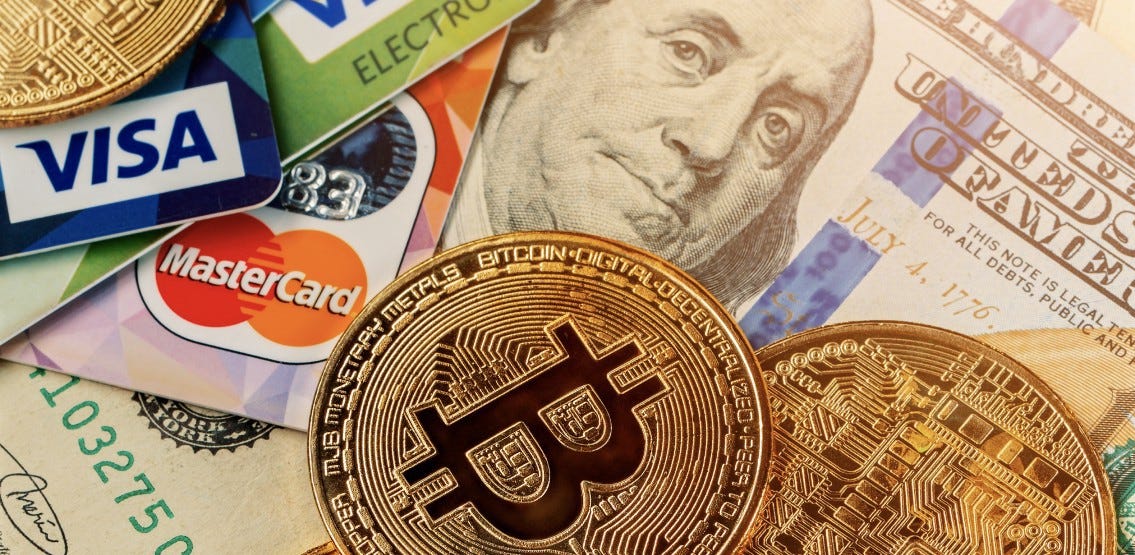
Bitcoin is a decentralized digital currency, meaning it isn’t controlled by any single entity or government. Its value fluctuates based on supply and demand, making it a volatile investment. Bitcoin’s potential for high returns attracts many investors, but it’s crucial to understand the risks and the process involved before engaging in any transaction.Cryptocurrency transactions, unlike traditional financial transactions, utilize blockchain technology.
This distributed ledger records every transaction across a network of computers, ensuring transparency and security. Bitcoin transactions are cryptographically secured, making them virtually tamper-proof.
Purchasing Bitcoin
The process of buying Bitcoin typically involves selecting a platform (exchange or peer-to-peer marketplace) and using a payment method. Once the transaction is confirmed, the Bitcoin is added to your digital wallet.
Methods of Buying Bitcoin
Several methods exist for acquiring Bitcoin. Centralized exchanges, like Coinbase and Kraken, offer a straightforward platform with various payment options. Peer-to-peer (P2P) platforms, on the other hand, connect buyers and sellers directly, often allowing for more flexibility in pricing.
Step-by-Step Guide to Buying Bitcoin
This guide Artikels a basic process for purchasing Bitcoin on a centralized exchange:
- Choose a reputable Bitcoin exchange. Research and compare different options.
- Create an account and verify your identity. This process ensures the safety of your funds and complies with regulatory requirements.
- Fund your account using a supported payment method, like a bank transfer or credit card.
- Specify the amount of Bitcoin you wish to purchase. Be aware of the current market price.
- Initiate the purchase. The exchange will execute the transaction.
- Review the transaction details and confirm the order. Monitor the transaction’s confirmation status.
- Store your Bitcoin securely in a designated wallet, such as a hardware wallet or a software wallet on your computer.
Comparison of Bitcoin Exchanges
The following table provides a comparative overview of popular Bitcoin exchanges:
| Exchange | Pros | Cons |
|---|---|---|
| Coinbase | User-friendly interface, widely accepted payment methods, regulatory compliance. | Limited trading options, lower trading volume compared to some other exchanges. |
| Kraken | Excellent trading tools, high trading volume, wider selection of cryptocurrencies. | Steeper learning curve for beginners, higher fees for some transactions. |
| Binance | Massive trading volume, diverse range of trading options, competitive fees. | Potentially more complex interface, less user-friendly for beginners. |
Buying Bitcoin with Virtual Visa Cards
Virtual Visa cards offer a convenient method for purchasing Bitcoin, especially for those unfamiliar with traditional cryptocurrency exchanges or seeking a more streamlined payment process. They act as temporary credit lines tied to a bank account, allowing users to buy Bitcoin using familiar debit/credit card interfaces. This approach often simplifies the transaction for users accustomed to traditional payment methods.Virtual Visa cards, essentially digital representations of physical cards, play a critical role in facilitating Bitcoin purchases.
They provide a bridge between traditional payment systems and cryptocurrency transactions, enabling users to buy Bitcoin without directly interacting with cryptocurrency exchanges. This is particularly appealing for those who are new to the cryptocurrency market.
Virtual Visa Cards and Their Use in Cryptocurrency Purchases
Virtual Visa cards are digital representations of physical credit or debit cards, providing a convenient and secure method for online purchases, including cryptocurrency. They typically link to a user’s bank account and grant access to funds for specified purposes. In the context of Bitcoin purchases, virtual Visa cards allow users to execute transactions directly on cryptocurrency platforms, using familiar payment methods.
This feature makes it easier for people accustomed to conventional online payment systems to engage with Bitcoin.
Security Implications of Using Virtual Visa Cards for Bitcoin Purchases
Security is paramount when dealing with cryptocurrency. While virtual Visa cards offer a degree of convenience, understanding their security implications is crucial. Users should select reputable providers and utilize strong passwords and two-factor authentication (2FA) wherever possible. It is important to monitor transactions closely and report any suspicious activity promptly. Maintaining a high level of awareness is key to protecting your assets.
Always prioritize security, as a compromised virtual card can lead to financial loss.
Process of Buying Bitcoin Using a Virtual Visa Card
The process of buying Bitcoin with a virtual Visa card typically involves these steps:
- Acquiring a virtual Visa card: Users can obtain virtual Visa cards from various providers, often through online platforms. The provider usually links to the user’s bank account to authorize payments.
- Selecting a Bitcoin exchange: Choose a reputable Bitcoin exchange platform that supports virtual Visa card payments.
- Verifying your identity: The platform will likely require KYC (Know Your Customer) verification, as is standard for cryptocurrency transactions.
- Adding the virtual Visa card to your exchange account: Enter the card details into your exchange account. Ensure the card details match those on the provider’s platform.
- Initiating the Bitcoin purchase: Specify the amount of Bitcoin you wish to buy. Confirm the transaction details and complete the purchase.
These steps provide a simplified overview of the transaction process, and individual exchanges may have specific variations.
Reputable Platforms Allowing Virtual Visa Card Purchases
Several reputable platforms support virtual Visa card purchases for Bitcoin:
- Coinbase: A widely recognized cryptocurrency exchange that supports various payment methods, including virtual Visa cards, for buying and selling Bitcoin.
- Binance: A global cryptocurrency exchange known for its wide range of features and support for diverse payment options, including virtual Visa cards.
- Kraken: Another prominent exchange platform offering a range of services, including Bitcoin purchases via virtual Visa cards.
Always thoroughly research and verify the platform’s reputation before using it for financial transactions.
Fees Associated with Using Virtual Visa Cards for Bitcoin Purchases
Fees associated with virtual Visa card transactions for Bitcoin purchases can vary depending on the exchange and the virtual Visa card provider. Some exchanges charge transaction fees, while the virtual Visa card provider might also impose fees. It’s crucial to review the fees associated with each transaction before completing the purchase.
Comparison of Pros and Cons
| Pros | Cons |
|---|---|
| Convenience of using a familiar payment method. | Potential for higher fees compared to other payment methods. |
| Accessibility for users new to crypto. | Security concerns if the virtual Visa card provider is not reputable. |
| Ease of integration with existing online payment systems. | Potential for fraud or unauthorized transactions if security measures are not properly implemented. |
| Flexibility in transaction amounts. | Limited availability on some platforms, potentially causing transaction delays. |
Different Types of Virtual Visa Cards and Their Suitability
Various virtual Visa cards cater to different needs. Prepaid virtual Visa cards are suitable for limited-use Bitcoin transactions, while virtual cards linked to bank accounts provide access to funds for more substantial purchases. The best type depends on the user’s individual financial goals and transaction volume.
Security and Risks Associated with Buying Bitcoin
Bitcoin purchases using virtual Visa cards have become increasingly popular, but understanding the associated security measures and risks is crucial for a safe transaction. This section delves into the security protocols employed by platforms and the potential pitfalls users may encounter. Knowing these factors empowers informed decisions and minimizes the chances of financial loss.
Security Measures Employed by Platforms
Bitcoin platforms offering virtual Visa cards implement various security measures to protect user funds and information. These measures often include robust encryption technologies, such as Transport Layer Security (TLS), to safeguard data transmitted between the user’s device and the platform’s servers. Advanced fraud detection systems monitor transactions for suspicious activity, flagging potentially fraudulent attempts. Regular security audits and penetration testing are also common practices to identify and address vulnerabilities.
These combined efforts aim to maintain a secure environment for Bitcoin transactions.
Potential Risks of Using Virtual Visa Cards for Cryptocurrency Purchases
Several risks are associated with using virtual Visa cards for cryptocurrency purchases. One key risk is the potential for fraudulent activity. A compromised virtual card could expose users to unauthorized transactions and financial losses. Furthermore, if the platform handling the virtual card is not reputable, the user’s funds may be vulnerable. The user must exercise caution when selecting a reputable platform, ensuring it adheres to industry best practices and has a proven track record.
Poorly secured platforms can be susceptible to hacking, resulting in data breaches and financial loss.
Protecting Personal Information
Protecting personal information is paramount when buying Bitcoin with virtual Visa cards. Users should employ strong and unique passwords for their accounts and enable two-factor authentication (2FA) wherever possible. Avoid using the same passwords across multiple accounts. Be wary of phishing attempts, which often involve deceptive emails or websites designed to steal login credentials. Review the platform’s privacy policy to understand how your data is handled.
Mitigating Risks of Online Cryptocurrency Transactions
Several strategies can mitigate the risks of online cryptocurrency transactions. Regularly updating software and security applications on devices is essential to patch known vulnerabilities. Using a reputable VPN (Virtual Private Network) can enhance online privacy and security by encrypting internet traffic. Keeping transaction records and reviewing account statements is crucial to detect any unauthorized activity promptly. Thorough research and due diligence on the platform and the virtual card provider are paramount to a secure transaction.
Importance of Secure Payment Gateways
Secure payment gateways are critical for Bitcoin transactions using virtual Visa cards. These gateways are designed to process transactions securely, ensuring that sensitive financial information is encrypted and protected from unauthorized access. Reputable gateways employ advanced security protocols to prevent fraud and data breaches. Look for payment gateways with industry certifications, such as PCI DSS (Payment Card Industry Data Security Standard), to confirm their commitment to security.
Role of Two-Factor Authentication
Two-factor authentication (2FA) plays a crucial role in Bitcoin transactions. 2FA adds an extra layer of security by requiring two verification methods (e.g., a code sent to a mobile device or email) to confirm a transaction. This significantly reduces the risk of unauthorized access, as even if one factor is compromised, the second factor prevents the transaction. Enabling 2FA is highly recommended to strengthen security.
Security Protocols Flowchart
[Start] --> [User initiates Bitcoin purchase] --> [Platform verifies user identity] --> [Platform generates virtual Visa card] --> [User enters payment details] --> [Secure payment gateway processes transaction] --> [Cryptocurrency is transferred] --> [User confirms transaction] --> [End]
Alternative Methods for Buying Bitcoin
Beyond virtual Visa cards, various avenues exist for acquiring Bitcoin. These methods offer varying degrees of security, convenience, and transaction speed.
Understanding the nuances of each approach is crucial for informed decision-making.
Other Bitcoin Purchase Methods
Several alternatives to virtual Visa cards exist for Bitcoin purchases. These include exchanges, peer-to-peer (P2P) platforms, and over-the-counter (OTC) markets. Each method presents unique advantages and disadvantages, impacting both the user experience and the potential risks.
Bitcoin Exchanges
Bitcoin exchanges are centralized platforms facilitating the buying and selling of Bitcoin and other cryptocurrencies. These platforms often offer a user-friendly interface and a broad range of payment options.
- Advantages: Widely accessible, typically offer competitive exchange rates, and often feature robust security measures (though not foolproof).
- Disadvantages: Exposure to platform risks (e.g., hacks or regulatory issues), potential for slippage in exchange rates, and reliance on the exchange’s security measures.
- Process: Account creation, deposit of funds, selection of Bitcoin, and confirmation of the purchase. Specific procedures vary by exchange.
Peer-to-Peer (P2P) Platforms
P2P platforms connect buyers and sellers directly, bypassing the need for a centralized exchange. These platforms provide flexibility in terms of pricing and payment methods.
- Advantages: Potentially better prices than exchanges (due to the direct negotiation), diverse payment methods, and often quicker transaction times.
- Disadvantages: Increased risk of scams and fraud, as buyer and seller verification isn’t always robust, and the responsibility for verifying the counterparty rests entirely on the user.
- Process: User profile creation, setting the desired Bitcoin price, selection of payment method, and finalizing the transaction with the counterparty. Security measures and fraud prevention vary significantly by platform.
Over-the-Counter (OTC) Markets
OTC markets facilitate transactions between institutional investors and individuals or smaller businesses. These transactions typically involve larger quantities of Bitcoin.
- Advantages: Tailored to high-volume transactions, potentially offering more favorable exchange rates than exchanges or P2P platforms, and direct communication with the counterparty.
- Disadvantages: Higher risk of scams, as verification measures may be weaker than exchanges, and a lack of centralized regulatory oversight, increasing potential legal complications.
- Process: Negotiation of price and terms with a counterparty, verification of identities and backgrounds, and completion of the transaction. The process typically requires more due diligence than other methods.
Comparison Table
| Method | Advantages | Disadvantages | Speed | Convenience |
|---|---|---|---|---|
| Virtual Visa Cards | Ease of use, widely available | Potential for fraud, security concerns | Generally fast | High |
| Exchanges | Wide range of payment options, competitive rates | Platform risk, potential for slippage | Moderate | Medium |
| P2P | Potentially better prices, diverse payment methods | Increased fraud risk, counterparty verification | Variable | Medium to High |
| OTC | High-volume transactions, tailored rates | High fraud risk, regulatory oversight concerns | Variable | Low |
Speed and Convenience Comparison
The speed and convenience of each method differ considerably. Virtual Visa cards generally offer the fastest and most convenient transactions, while OTC markets are often the slowest and least convenient due to the involved negotiation. P2P transactions offer variable speed depending on the platform and the counterparty. Exchanges usually offer a balance of speed and convenience.
Bitcoin Price Fluctuations and Volatility
Bitcoin’s price is notoriously volatile, experiencing significant swings in value over short periods. This inherent instability is a key factor investors need to understand before making any Bitcoin purchases. Understanding the reasons behind these fluctuations and the potential risks is crucial for managing risk effectively.
Price volatility stems from a combination of factors including market sentiment, regulatory changes, and technological advancements. These factors can trigger rapid price changes, sometimes leading to substantial gains or losses. Predicting these movements precisely is difficult, making it essential to approach Bitcoin investments with a calculated strategy.
Impact of Price Fluctuations on Purchases
Price fluctuations directly affect the cost of Bitcoin purchases. A rising market might present opportunities for significant returns, but also carries the risk of substantial losses if the market turns. Conversely, a falling market can lead to potentially significant savings on purchases, but also presents the risk of missed opportunities if the market subsequently recovers. Timing purchases is a critical aspect of managing the risks inherent in volatile markets.
Risks Associated with Price Volatility
Bitcoin’s price volatility poses several risks to investors. Sudden and dramatic price drops can result in significant financial losses, potentially eroding capital. Conversely, substantial price increases can tempt investors to buy at inflated valuations, increasing the risk of substantial losses when the market corrects. The lack of a guaranteed return on investment is a critical risk factor to consider.
Strategies for Managing Risk During Bitcoin Purchases
Several strategies can help mitigate the risks associated with Bitcoin price volatility. Diversification of investment portfolios is a key risk management strategy, reducing the impact of potential losses in Bitcoin on overall investment performance. Setting clear financial goals and risk tolerance levels is another important step. By aligning purchase decisions with individual financial objectives, investors can avoid impulsive decisions that may lead to unnecessary risk.
A methodical approach to evaluating potential gains and losses, considering the current market conditions and individual financial situations, is essential.
Graph of Bitcoin Price Fluctuations
A graph illustrating Bitcoin price fluctuations from January 1, 2023, to December 31, 2023, is shown below. The graph displays the price of Bitcoin in US Dollars (USD) over time, showcasing the significant price swings throughout the year. Please note this is a hypothetical graph for illustrative purposes only. Actual price fluctuations can vary greatly.
[Note: A graph displaying Bitcoin price fluctuations from January 1, 2023, to December 31, 2023, would be presented here. This would ideally include the x-axis representing time (dates), the y-axis representing Bitcoin price in USD, and a line graph depicting the price fluctuations. A visual representation of the graph is required here. Unfortunately, I cannot create an image.]
Legal and Regulatory Considerations
Navigating the legal landscape of cryptocurrency, especially when using virtual payment methods like virtual Visa cards, requires careful consideration. Varying regulations across jurisdictions significantly impact how individuals and businesses can interact with Bitcoin and other cryptocurrencies. This section explores the legal implications and regulatory frameworks that influence Bitcoin purchases using virtual Visa cards.
Legal Implications of Buying Bitcoin with Virtual Visa Cards
The legal implications of using virtual Visa cards to buy Bitcoin hinge on several factors, primarily the jurisdiction of the buyer and the exchange. Virtual Visa cards, often issued by third-party providers, can operate outside the traditional financial system’s oversight, potentially creating grey areas regarding consumer protection and financial crime. Regulations governing money laundering and financial transactions often impact the legitimacy of using these cards for crypto purchases.
Stricter enforcement of these laws can affect individuals who use virtual Visa cards for Bitcoin transactions.
Regulatory Landscape for Cryptocurrency Purchases
The regulatory landscape for cryptocurrency purchases is fragmented and evolving globally. Many countries are still developing comprehensive frameworks to address the unique characteristics of cryptocurrencies, including Bitcoin. Some jurisdictions have embraced cryptocurrencies more readily than others, leading to different levels of oversight and compliance requirements. The lack of a globally harmonized approach creates challenges for international transactions and compliance.
This lack of uniformity in regulation can impact both businesses and individual users, particularly when engaging in cross-border transactions.
Specific Regulations Regarding Virtual Visa Cards and Bitcoin Purchases
Specific regulations regarding virtual Visa cards and Bitcoin purchases are often tied to broader regulations concerning financial services, money laundering, and virtual currencies. Different jurisdictions have varying requirements for businesses that facilitate Bitcoin transactions. Some jurisdictions may require exchanges to comply with Know Your Customer (KYC) and Anti-Money Laundering (AML) procedures, which can significantly impact the availability and usage of virtual Visa cards for crypto purchases.
Exchanges and users must understand the local regulations in place to avoid potential legal issues.
Summary of Legal Considerations for Buying Bitcoin
Buying Bitcoin, especially with virtual Visa cards, involves significant legal considerations. Understanding the regulatory landscape in your jurisdiction is paramount. Be mindful of local laws concerning money laundering, financial transactions, and virtual currencies. Always conduct thorough research to ensure you comply with all applicable laws and regulations. Prioritize reputable and compliant exchanges or platforms for your transactions to mitigate potential legal risks.
A thorough understanding of your local regulations is critical to avoid any legal issues associated with purchasing Bitcoin.
Customer Support and Dispute Resolution
A crucial aspect of any online transaction, especially those involving cryptocurrencies like Bitcoin, is reliable customer support and a well-defined dispute resolution process. A robust system ensures customer satisfaction and builds trust, enabling smoother interactions when issues arise. This section Artikels the significance of support channels and details the procedures for addressing potential problems.
Importance of Customer Support
Robust customer support is vital for handling queries and concerns related to Bitcoin purchases. It ensures users feel supported and are able to resolve any difficulties swiftly and effectively. This support often includes explanations on the Bitcoin buying process, troubleshooting technical problems, and assisting with account management. Furthermore, readily available customer support builds trust and encourages repeat business.
Dispute Resolution Process
In case of a dispute or issue with a Bitcoin purchase, a well-defined dispute resolution process is essential. This process Artikels the steps involved, roles of different parties, and timelines for resolving the problem. This framework aims to protect both the buyer and the seller while ensuring a fair resolution.
Steps to Follow in Case of a Problem
When a problem arises, following a structured approach can facilitate a smooth resolution. The initial step typically involves contacting the customer support team of the platform used for the purchase. Provide clear and concise details about the issue, including transaction ID, relevant dates, and supporting documentation. Subsequent steps may include escalating the issue to a higher level of support or, in more complex situations, seeking mediation or arbitration.
Roles of Different Parties in Resolving Disputes
Different parties play specific roles in resolving disputes. The customer is responsible for providing accurate and complete information. The platform’s support team acts as a mediator, investigating the issue and attempting a resolution. In more serious cases, a third-party mediator or arbitrator may be involved to ensure an impartial resolution. The seller also plays a part in providing information and cooperating with the resolution process.
Customer Support Options
- Customer support email addresses allow for detailed written communication, which is useful for complex issues. It provides a permanent record of the interaction.
- Dedicated phone lines facilitate real-time conversations, ideal for immediate assistance with technical issues or complex disputes. It enables prompt responses to critical problems.
- Live chat functionality offers instant feedback and support, ideal for simple questions or urgent assistance. It allows for quick resolution of routine issues.
- Online help centers with FAQs offer self-service options, providing quick answers to common problems. It can be beneficial for addressing minor inquiries and resolving issues without intervention.
| Support Option | Description | Pros | Cons |
|---|---|---|---|
| Detailed written communication | Permanent record, suitable for complex issues | Slower response time | |
| Phone | Real-time conversations | Immediate assistance, suitable for urgent issues | May not be available 24/7 |
| Live Chat | Instant feedback and support | Quick resolution of routine issues | Limited capacity to handle complex disputes |
| Online Help Center | Self-service options | Quick answers to common problems, readily available | Limited assistance for complex issues |
Last Word
In conclusion, buying Bitcoin with a virtual Visa card can be a viable option, but careful consideration of security and alternative methods is crucial. The guide has illuminated the process, risks, and advantages. Ultimately, the decision rests with the individual, weighing the convenience of virtual cards against the potential for financial loss.
FAQ Insights
What are the typical fees associated with using a virtual Visa card for Bitcoin purchases?
Transaction fees vary depending on the platform. Some platforms charge a percentage of the transaction amount, while others may add a flat fee. Additionally, the issuing bank of the virtual Visa card might impose its own fees.
How do I protect my personal information when using virtual Visa cards for Bitcoin purchases?
Always use secure websites and platforms. Avoid entering personal details on unverified or suspicious sites. Employ strong passwords and enable two-factor authentication wherever possible.
Are there any specific regulations regarding virtual Visa cards and Bitcoin purchases?
Regulations vary by jurisdiction. Always research the local laws and regulations regarding cryptocurrency transactions and virtual cards in your area.
What are some alternative methods for buying Bitcoin besides using virtual Visa cards?
Other methods include using bank transfers, other payment methods like PayPal or credit cards on reputable exchanges, and peer-to-peer exchanges. Each method has its own advantages and disadvantages, including security and transaction speed.