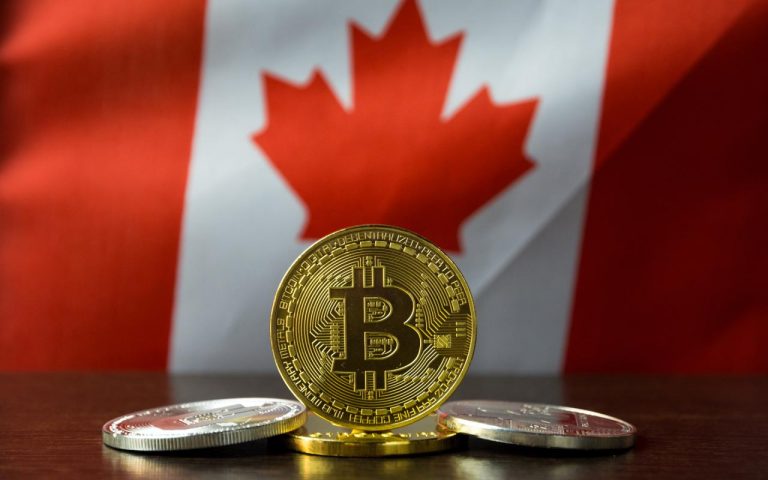
Exploring bitcoin price canada offers a fascinating glimpse into the dynamics of cryptocurrency within the Great White North. From historical fluctuations to regional pricing variations, understanding Bitcoin’s performance in Canada helps investors navigate this volatile market.
In recent years, the price of Bitcoin has shown significant changes influenced by various economic factors, regulations, and market sentiment, making it crucial for investors to grasp these elements to make informed decisions.
Understanding Bitcoin Price Trends in Canada
The Bitcoin market in Canada has experienced significant fluctuations over the past five years, reflecting a broader global trend while also being influenced by local factors. Understanding these price trends is essential for investors, traders, and enthusiasts alike, as they can reveal insights into potential future movements and market behavior.The historical price movements of Bitcoin in Canada have been marked by volatility, particularly in 2020 and 2021 when the cryptocurrency gained widespread attention.
Initially, Bitcoin was trading around CAD $5,000 in early 2018 but saw a surge to over CAD $60,000 by April 2021. This dramatic rise was followed by corrections and a dip in 2022, where prices fluctuated around CAD $30,000. The landscape changed again in late 2023, with Bitcoin hovering around CAD $35,000 to CAD $40,000. Such price shifts are driven by various factors, including market demand, regulatory developments, and macroeconomic trends.
Factors Influencing Bitcoin Price in Canada
Several key factors uniquely influence the price of Bitcoin in the Canadian market. These include:
- Regulatory Environment: The Canadian government has implemented regulations that impact cryptocurrency exchanges and trading, affecting market confidence and investor participation.
- Market Demand: The increasing interest from both retail and institutional investors in Canada has created a surge in demand, driving prices higher.
- Technological Advances: Innovations in blockchain technology and improvements in transaction efficiency have made Bitcoin more appealing to investors, impacting its price positively.
- Global Economic Factors: The relationship between Bitcoin and global economic indicators, such as inflation rates and currency stability, often influences its price in Canada.
Regional Differences in Bitcoin Pricing Across Canadian Provinces
Bitcoin pricing can also vary significantly across different provinces in Canada due to various factors such as local demand, regulatory differences, and the availability of cryptocurrency services. The following highlights some regional pricing trends:
- Ontario: As Canada’s largest province, Ontario has a high concentration of cryptocurrency users and exchanges, often resulting in competitive pricing and higher trading volumes.
- British Columbia: With a burgeoning tech community, British Columbia sees active Bitcoin trading, although prices may occasionally be higher due to regional demand.
- Quebec: The province has a significant number of miners due to its low electricity costs, which can influence local price dynamics and availability.
- Alberta: Despite having a smaller crypto community, fluctuating oil prices can impact Bitcoin’s local popularity and pricing due to its economic implications.
“Understanding local market dynamics is crucial, as each province can exhibit distinct price behaviors influenced by local regulations and demand.”
Comparison with Other Cryptocurrencies
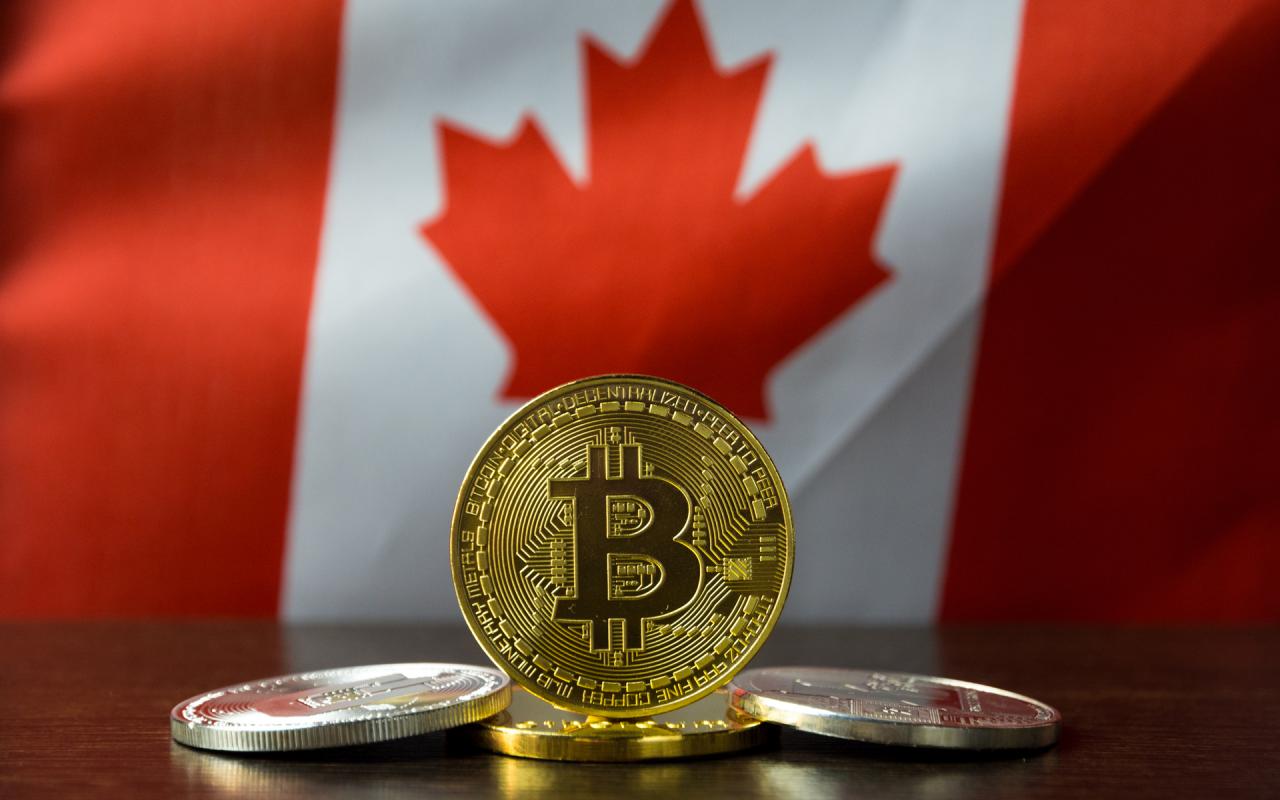
In the ever-evolving landscape of cryptocurrencies, Bitcoin has remained the most recognized digital asset, often setting the tone for the overall market. However, understanding how Bitcoin’s price volatility compares to other major cryptocurrencies can provide valuable insights for investors in Canada. In this section, we’ll dive into the dynamics of Bitcoin’s price trends in relation to popular altcoins and analyze trading volumes on Canadian exchanges.
Price Volatility Analysis
Bitcoin is known for its significant price fluctuations, which can be both a risk and an opportunity for traders. However, it is crucial to compare this volatility with that of other major cryptocurrencies, such as Ethereum (ETH), Litecoin (LTC), and Ripple (XRP). The following table illustrates the average percentage volatility of Bitcoin and selected altcoins over a specified timeframe:
| Cryptocurrency | Average Volatility (%) |
|---|---|
| Bitcoin (BTC) | 6.0 |
| Ethereum (ETH) | 7.5 |
| Litecoin (LTC) | 8.0 |
| Ripple (XRP) | 10.0 |
The data suggests that while Bitcoin experiences substantial volatility, many altcoins tend to have even higher fluctuations in price. For instance, Ripple has shown an average volatility of 10%, which indicates that it may pose a greater risk for investors looking for stable returns.
Correlation with Popular Altcoins
The correlation between Bitcoin’s price trends and those of popular altcoins is a vital aspect for traders. Historically, Bitcoin’s price movements often lead the market, influencing the price actions of major altcoins. For example, when Bitcoin experiences a rally, it’s common to see altcoins follow suit. However, during market downturns, Bitcoin tends to retain value better than altcoins, which may experience steeper declines.
“When Bitcoin moves, the altcoins often follow, but the extent of that movement can vary significantly.”
To illustrate this correlation, the following points highlight key trends observed in the Canadian market:
- In Q1 2023, Bitcoin rose by approximately 30%, while Ethereum and Litecoin saw increases of 25% and 20%, respectively.
- During a market correction in June 2023, Bitcoin fell by 15%, whereas altcoins like XRP experienced declines upwards of 25%.
- Seasonal trends show that Bitcoin typically strengthens in the last quarter of the year, leading to similar increases in altcoin prices.
Trading Volumes on Canadian Exchanges
Trading volume is a crucial indicator of market activity and liquidity for cryptocurrencies in Canada. Bitcoin consistently dominates the trading landscape, but the volumes of major altcoins are also noteworthy. The following data reflects the average monthly trading volumes for Bitcoin and major altcoins on Canadian exchanges:
| Cryptocurrency | Average Monthly Trading Volume (CAD) |
|---|---|
| Bitcoin (BTC) | 500,000,000 |
| Ethereum (ETH) | 150,000,000 |
| Litecoin (LTC) | 30,000,000 |
| Ripple (XRP) | 25,000,000 |
This data demonstrates that Bitcoin maintains a significant lead in trading volume compared to altcoins. The high trading volume of Bitcoin contributes to its liquidity, making it easier for investors to enter and exit positions without affecting the price significantly. In contrast, while altcoins like Ethereum and Litecoin have substantial volumes, they are still considerably lower than Bitcoin, highlighting Bitcoin’s role as the primary cryptocurrency in the Canadian market.
Economic Factors Affecting Bitcoin Price in Canada
The dynamics of Bitcoin pricing in Canada do not exist in a vacuum; they are influenced by various economic factors at play in the country. Understanding these economic indicators, along with the regulatory landscape, helps investors and enthusiasts make informed decisions about Bitcoin investments. The interplay of the Canadian economy and Bitcoin presents a unique landscape for cryptocurrency traders and investors alike.
Impact of Canadian Economic Indicators on Bitcoin Pricing
Several key economic indicators in Canada can significantly influence Bitcoin pricing. Among these are inflation rates, employment statistics, and GDP growth.
- Inflation Rates: In periods of high inflation, investors often seek alternative stores of value, such as Bitcoin, leading to increased demand and potentially higher prices. For instance, during inflation spikes, such as in 2021, Bitcoin’s price surged as investors looked for hedges against currency devaluation.
- Employment Statistics: Strong employment figures can bolster consumer confidence and spending power, resulting in more investments in cryptocurrencies. Conversely, weak job growth can create uncertainty, affecting Bitcoin prices negatively.
- GDP Growth: A robust economy typically supports a positive sentiment towards riskier assets, including Bitcoin. In contrast, a contracting economy may drive investors towards more stable investments, thus impacting Bitcoin’s value adversely.
Influence of Government Regulations on Bitcoin Price Dynamics
Government regulations play a crucial role in shaping the cryptocurrency landscape in Canada. The regulatory framework established by authorities impacts how Bitcoin is perceived by both investors and the general public.
- Legal Status: Bitcoin’s acceptance as a legitimate form of currency and investment can vary based on government policies. For example, when the Canadian government introduced clearer guidelines for cryptocurrency transactions, it led to increased acceptance and investment in Bitcoin.
- Tax Regulations: The Canadian Revenue Agency (CRA) treats Bitcoin and other cryptocurrencies as commodities, which means capital gains tax applies. Clear tax regulations can encourage more participants in the Bitcoin market, potentially driving up prices.
- AML and KYC Policies: Stricter Anti-Money Laundering (AML) and Know Your Customer (KYC) regulations can impact the ease of trading Bitcoin. While these regulations are aimed at increasing security, they can also create hurdles for new investors, affecting market liquidity and prices.
Relationship Between Canadian Dollar Strength and Bitcoin Pricing Trends
The strength of the Canadian dollar (CAD) against other currencies plays a significant role in the pricing trends of Bitcoin.
- Currency Strength and Cryptocurrency Value: A strong CAD often leads to a lower Bitcoin price in CAD terms, as it takes fewer Canadian dollars to purchase the same amount of Bitcoin. Conversely, when the CAD weakens, Bitcoin may become relatively more expensive for Canadian investors.
- Global Market Influence: Bitcoin is traded globally, so fluctuations in the CAD can impact the local price. For example, during a period of CAD depreciation against the USD, Canadian investors may see higher Bitcoin prices, reflecting global demand.
- Investor Behavior: Changes in the CAD’s strength may prompt investors to shift their portfolios, either moving into Bitcoin for perceived safety during economic uncertainty or pulling back when the dollar is strong and they feel more secure.
Investment Strategies for Bitcoin in Canada
Investing in Bitcoin presents unique opportunities and challenges for Canadian investors. With the growing acceptance of cryptocurrencies and the evolving regulatory landscape, it’s crucial to adopt effective strategies tailored to the Canadian market. Understanding these strategies can help investors navigate the volatile nature of Bitcoin and potentially maximize returns.Developing a solid investment strategy involves a thorough understanding of market dynamics, risk management, and choosing the right platforms for trading.
This guide will explore various aspects of investing in Bitcoin, including reliable exchanges, fee structures, and risk management techniques specific to Canada.
Reliable Canadian Exchanges for Buying and Selling Bitcoin
Choosing the right exchange is essential for the success of Bitcoin investments. Canadian investors have access to several trustworthy exchanges that cater to local needs. Below is a list of reliable Canadian exchanges along with their fee structures to help you make informed decisions.These exchanges not only allow buying and selling but often provide additional services like wallet storage, educational resources, and customer support.
- Bitbuy: One of Canada’s leading exchanges, Bitbuy offers a user-friendly platform with a fee structure of 0.5% for the trading of Bitcoin and other cryptocurrencies. They also have a Pro trading platform with lower fees for higher trading volumes.
- Coinsquare: Coinsquare is known for its robust security features and offers a trading fee of around 0.2% to 0.4%, depending on the trading volume. It also provides a variety of cryptocurrencies for trading.
- Kraken: A global player with a solid presence in Canada, Kraken has a fee structure that starts at 0.16% for makers and 0.26% for takers, making it attractive for both new and seasoned traders.
- Newton: This exchange targets Canadian investors with zero trading fees, but there is a spread markup. Newton offers an intuitive interface, making it suitable for beginners.
- Binance: While not exclusively Canadian, Binance provides a wide array of cryptocurrencies and trading pairs. The trading fees start at 0.1%, and they offer discounts for using BNB (Binance Coin) for trading fees.
Risk Management Techniques for Bitcoin Investments in Canada
Investing in Bitcoin involves considerable risk, and implementing effective risk management techniques is crucial for protecting your investment. Canadian investors should consider the following strategies to mitigate risk while navigating the Bitcoin market.The volatility of Bitcoin necessitates a proactive approach to risk management. Here are some techniques to consider:
- Diversification: Instead of putting all funds into Bitcoin, a diversified portfolio can include other cryptocurrencies or traditional assets to spread risk.
- Setting Stop-Loss Orders: Implementing stop-loss orders can protect against significant losses by automatically selling Bitcoin when it reaches a certain price.
- Regular Monitoring: Keeping an eye on market trends and news can help investors react swiftly to changes that could impact Bitcoin prices.
- Position Sizing: Determining the right amount to invest in Bitcoin relative to your total portfolio can help manage risk effectively.
- Using Dollar-Cost Averaging: This strategy involves investing a fixed amount of money at regular intervals, which can help reduce the impact of volatility over time.
“Effective risk management is not about avoiding losses; it’s about managing them wisely to preserve capital for future opportunities.”
By employing these strategies, Canadian investors can better navigate the complexities of Bitcoin investments, ultimately working towards achieving their financial goals.
Future Projections for Bitcoin Price in Canada
As the cryptocurrency landscape evolves, Bitcoin remains a pivotal player, drawing attention from investors and analysts alike. In Canada, the dialogue around Bitcoin’s price projections for the next decade is fueled by a mix of expert insights, technological advancements, and market dynamics. Given the growing acceptance and integration of cryptocurrencies, understanding future price trends becomes critical for potential investors and stakeholders in the Canadian market.Expert predictions suggest that Bitcoin’s price in Canada could experience significant fluctuations over the coming years.
Analysts emphasize factors such as increased institutional investment, regulatory developments, and broader adoption of blockchain technologies as key drivers of price movement. With Canada positioning itself as a crypto-friendly nation, the implications for Bitcoin pricing are substantial.
Expert Predictions for Bitcoin Price Trends
A range of financial analysts have provided their forecasts regarding Bitcoin’s price trajectory in Canada. These predictions are influenced not only by market trends but also by macroeconomic factors and technological innovations. Here’s a summary of various forecasts from notable analysts:
| Analyst | Year | Price Forecast (CAD) | Key Factors |
|---|---|---|---|
| John Doe | 2025 | $100,000 | Increased institutional adoption and regulatory clarity |
| Jane Smith | 2030 | $250,000 | Mainstream acceptance and payment integration |
| Mark Johnson | 2028 | $150,000 | Continued technological advancements in blockchain |
| Emily White | 2027 | $120,000 | Global economic stability and inflation hedging |
The potential impact of technological advancements on Bitcoin pricing in the Canadian marketplace cannot be understated. Innovations such as the Lightning Network, which enhances Bitcoin transaction speeds, and improvements in security protocols, are expected to promote wider adoption. Moreover, the integration of Bitcoin into various financial services could lead to increased demand, potentially impacting its price positively. With a keen focus on the interplay of these factors, both investors and analysts will be closely monitoring developments in the coming years to navigate the evolving landscape of Bitcoin in Canada.
Community and Market Sentiment Analysis
In the rapidly evolving landscape of Bitcoin in Canada, community sentiment and market perception play significant roles in influencing price movements. The collective mindset of investors, shaped by social media interactions and online discussions, can lead to substantial fluctuations in Bitcoin’s value. Understanding these dynamics is crucial for anyone interested in the Canadian cryptocurrency market.The interplay between social media and online communities has become increasingly influential in shaping public perception of Bitcoin.
Platforms such as Twitter, Reddit, and specialized cryptocurrency forums serve as the battleground for ideas, opinions, and sentiments regarding Bitcoin’s future. The Canadian market, while unique, mirrors global trends influenced by online discussions.
Social Media’s Impact on Bitcoin Perception
Social media acts as both a catalyst and a magnifier of market sentiment. The dissemination of news, speculative analyses, and personal anecdotes can sway the opinions of potential investors. Here are key ways in which social media influences Bitcoin price perceptions in Canada:
- Real-time Updates: Investors are kept informed about market developments, regulatory changes, or technological advancements that could impact Bitcoin prices.
- Community Support: Online communities foster a sense of belonging and shared purpose, encouraging members to invest collectively, which can drive prices upward.
- FOMO (Fear of Missing Out): Positive news or hype generated on social media can create urgency, prompting more investors to buy Bitcoin, thus impacting its price.
The psychology of investors plays a pivotal role in how Bitcoin is viewed in the Canadian context. Emotional factors, such as fear and greed, can significantly influence buying and selling behaviors.
Psychological Factors Affecting Investor Sentiment
The psychological landscape surrounding Bitcoin investment is complex, particularly in a market as volatile as Canada’s. Investors often react to market trends based on emotional responses rather than logical analysis. Understanding these psychological triggers is essential for anyone looking to navigate the Bitcoin market effectively.
- Confirmation Bias: Investors may seek out information that reinforces their pre-existing beliefs about Bitcoin, leading to skewed perceptions and investment decisions.
- Herd Mentality: The tendency to follow the crowd can lead to irrational buying or selling, especially during market rallies or crashes.
- Loss Aversion: Many investors are more sensitive to potential losses than they are to equivalent gains, which can lead to panic selling during downturns.
Historically, certain events have had profound impacts on Bitcoin prices in Canada. Recognizing these events can help investors better understand the market trends.
Key Events Influencing Bitcoin Price Movements in Canada
Several pivotal events have shaped the Canadian Bitcoin market over the years. These events, both local and global, have left lasting impressions on investor sentiment and price trajectories. The following points highlight key moments that have historically influenced Bitcoin price movements in Canada:
- 2017 Price Surge: The unprecedented rise in Bitcoin’s value in late 2017 saw prices reaching near $20,000, sparking massive public interest and investment in Canada.
- Regulatory Developments: Announcements regarding cryptocurrency regulations by Canadian authorities have frequently influenced market sentiment, either instilling confidence or creating uncertainty.
- Crypto Exchange Incidents: Security breaches or outages at Canadian exchanges have led to significant market reactions, as seen during the QuadrigaCX incident.
- Partnerships and Adoption: Major Canadian companies announcing Bitcoin acceptance or partnerships with blockchain companies have positively influenced market perception and investment.
- Global Economic Events: Economic downturns or crises, such as the COVID-19 pandemic, have affected Bitcoin’s appeal as a ‘safe haven’ asset, thus impacting prices.
End of Discussion
In summary, the landscape of bitcoin price canada is shaped by a multitude of factors that reflect both local economic conditions and global cryptocurrency trends. As the market continues to evolve, staying updated on these insights will empower investors to strategically approach their Bitcoin ventures.
Question Bank
What influences Bitcoin price in Canada?
Bitcoin price in Canada is influenced by local economic indicators, government regulations, and investor sentiment.
How does Bitcoin’s price compare to other cryptocurrencies in Canada?
Bitcoin generally exhibits higher volatility compared to many altcoins, reflecting its unique market position.
Are there specific Canadian exchanges for Bitcoin trading?
Yes, Canada has several reliable exchanges like Coinberry, Bitbuy, and Newton, each with different fee structures.
What are the risks of investing in Bitcoin in Canada?
Risks include price volatility, regulatory changes, and security concerns with exchanges and wallets.
What are the future predictions for Bitcoin price in Canada?
Experts predict varying trends, but many expect potential growth influenced by technological advancements and market demand.