August 31, 2026

Business Law

Navigating the complexities of business and legal addresses is essential for any organization. Understanding the subtle but significant distinctions between a business address and a legal address is critical for compliance and avoiding potential issues.

This discussion delves into the nuances of these addresses, highlighting their respective purposes, legal implications, and practical considerations. We’ll explore how different jurisdictions approach these matters and provide actionable insights for maintaining accurate and compliant records.

Defining Business Address and Legal Address
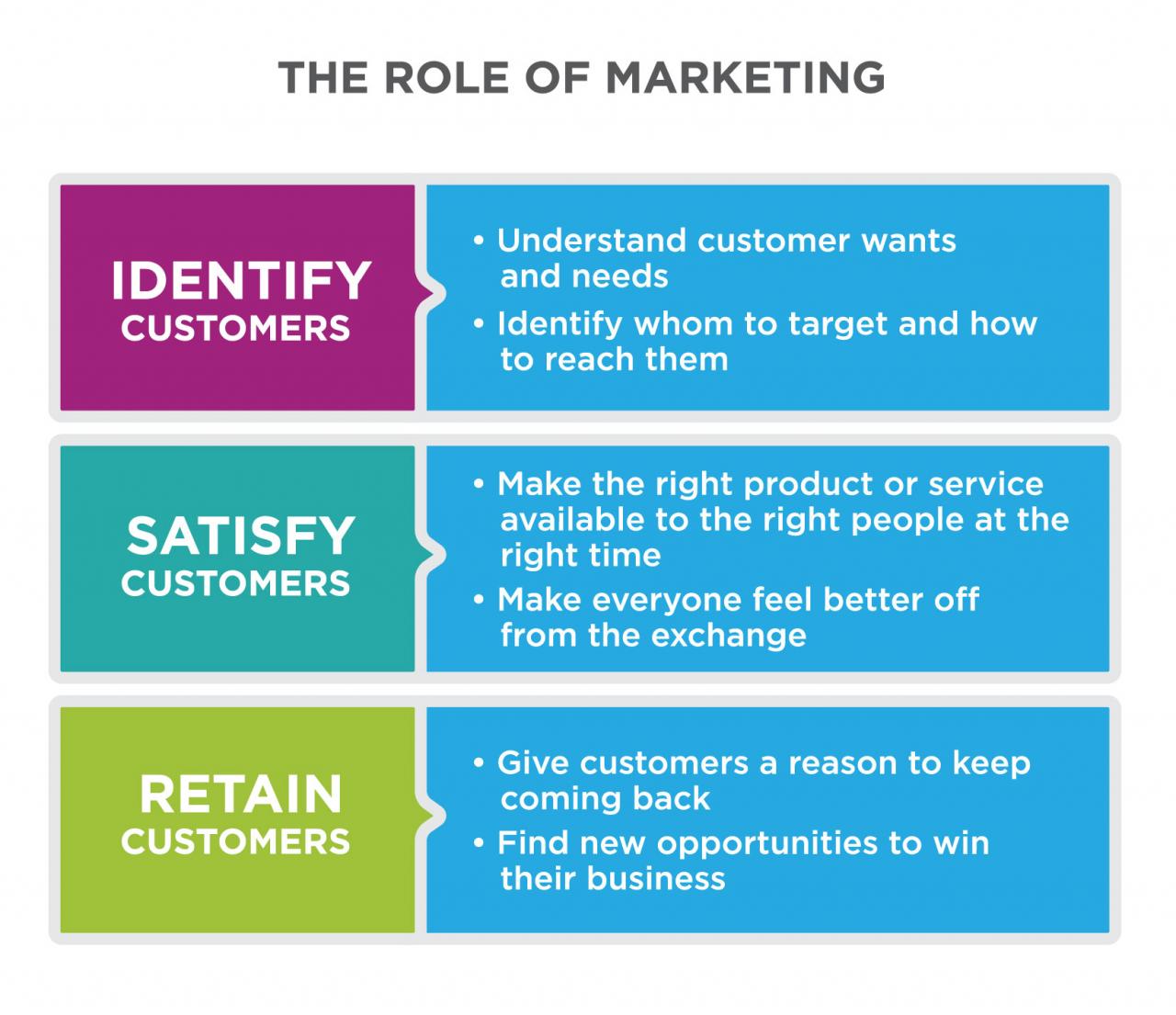
Reading: Marketing Defined | Principles of Marketing

Understanding the difference between a business address and a legal address is crucial for any business entity. A clear distinction ensures compliance with regulations, accurate record-keeping, and proper identification for legal and financial transactions. This section will define both types of addresses, highlight their key differences, and discuss the implications of using them correctly.

Defining Business Address

A business address is the physical location where a company conducts its primary operations. This could include the office space, a retail store, or a factory. It’s the address typically used for customer communication, mail delivery, and general business purposes. It’s important to note that a business address doesn’t necessarily need to be the same as the location where the company’s owner or employees live.

Defining Legal Address

A legal address, in contrast, is the official location designated for legal notices, filings, and official correspondence. It’s the address legally registered with governing bodies, such as the state, IRS, or other relevant authorities. For corporations, partnerships, or LLCs, the legal address is essential for maintaining a proper legal standing and receiving official communications.

Differences Between Business and Legal Addresses

The key difference lies in their purpose. A business address facilitates day-to-day operations, while a legal address ensures compliance with legal requirements. Using different addresses can be necessary for various reasons, including maintaining privacy, preventing unauthorized access to sensitive information, or managing operational efficiency. Using a different address for legal matters allows a business to safeguard confidential information and avoid unnecessary disruptions to business operations.

Implications of Different Addresses

Misusing or confusing these addresses can have significant implications. For instance, if a legal document is sent to the wrong address, the business may miss important deadlines, leading to potential penalties or legal issues. This underscores the importance of keeping both addresses accurate and easily accessible. Maintaining separate addresses also aids in maintaining privacy, protecting sensitive business information, and streamlining operational efficiency.

Comparison Table

Feature Business Address Legal Address
Definition The physical location where a company operates and conducts its business activities. The official address registered with governing bodies for legal purposes and receiving official notices.
Purpose For general business communications, customer service, and day-to-day operations. For legal notices, filings, and correspondence with government agencies.
Examples Company office, retail store, factory, warehouse Registered office of a corporation, LLC, or partnership; address on legal documents, articles of incorporation.

Importance of Accurate Address Information

Accurate address information is critical for businesses, impacting everything from legal compliance to smooth operations. Incorrect addresses can lead to significant issues, hindering communication, delaying services, and even jeopardizing the company’s reputation. Maintaining precise and up-to-date address details is paramount for success in today’s interconnected business world.Maintaining precise and current address details is essential for avoiding various complications. This includes ensuring accurate record-keeping for legal purposes and enabling efficient communication with clients, partners, and vendors.

The consequences of inaccurate address information can range from minor inconveniences to substantial legal and financial repercussions.

Legal Ramifications of Inaccurate Address Information

Inaccurate address information can trigger legal issues for businesses. Failure to maintain correct records can result in penalties or fines, particularly when it involves tax filings, government regulations, or contractual obligations. For example, incorrect registration of a business address can lead to legal disputes or even the inability to operate legally. Documentation and verification procedures require precise address details to ensure compliance with legal frameworks.

Consequences for Businesses of Incorrect Address Information

Inaccurate business address information can have substantial repercussions for companies. Incorrect addresses can lead to delivery failures, lost packages, missed appointments, and disruptions in workflow. This can negatively affect customer satisfaction, damage the company’s reputation, and create unnecessary expenses. Furthermore, incorrect address information can lead to miscommunication with clients and partners, resulting in missed deadlines and misunderstandings.

How Accurate Address Information Affects Business Operations

Accurate address information is vital for efficient business operations. It facilitates seamless communication, enabling timely delivery of goods and services, and maintaining accurate records. This directly impacts the smooth flow of operations, preventing delays and ensuring that important documents and communications reach the correct parties. Furthermore, correct address information ensures effective communication, leading to reduced costs and increased productivity.

Examples of Situations Where Incorrect Address Information Can Cause Problems

Incorrect address information can lead to various problems. For instance, a business using an outdated address on invoices can result in bills being sent to the wrong recipient or failing to reach the intended recipient, causing issues in payment processing and potentially leading to late fees or penalties. Another example involves a company sending marketing materials to an invalid address, leading to a waste of resources and a negative impression on potential clients.

Delivery services misplacing packages due to inaccurate addresses also create significant operational problems.

Potential Consequences of Inaccurate Address Information for Businesses

  • Delivery Failures: Incorrect addresses lead to lost packages, missed deliveries, and delays, disrupting business operations and frustrating customers.
  • Missed Appointments: Erroneous address information can result in crucial meetings or appointments being missed, impacting productivity and potentially leading to business opportunities lost.
  • Legal Issues: Failure to maintain accurate addresses can lead to non-compliance with legal requirements, resulting in penalties or fines.
  • Financial Losses: Errors in addressing can cause delays in payments, missed invoices, and unnecessary costs associated with resending documents or locating the intended recipient.
  • Damaged Reputation: Consistent issues with incorrect addresses can damage a company’s reputation, affecting customer trust and loyalty.

Business Address vs. Legal Address in Different Jurisdictions

Understanding the nuances of business and legal addresses is crucial for maintaining compliance and avoiding potential legal issues in various jurisdictions. Different countries and regions have specific requirements for registering and operating businesses, often requiring distinct addresses for legal and operational purposes. This section explores the variations in these requirements across different jurisdictions.

Comparison of Business and Legal Address Rules Across Countries

Various countries and regions have distinct regulations surrounding business and legal addresses. These regulations often vary in their requirements for registration, operation, and reporting. The specific requirements can affect a company’s ability to operate legally and efficiently. Understanding these variations is vital for international businesses.

Legal Requirements for Business Addresses in Different Jurisdictions

Business address requirements vary widely. Some jurisdictions mandate a physical address, while others permit virtual offices or registered agents. Some examples include:

  • United States: Many states require a physical business address for registration purposes. However, some states may permit a registered agent’s address to serve as the business address, provided the registered agent is physically located at that address.
  • United Kingdom: The UK mandates a physical business address for incorporation and company registration. This address is publicly accessible.
  • Canada: Similar to the US, Canada generally requires a physical business address for registration. The specific requirements may vary by province.

Legal Requirements for Legal Addresses Across Different Regions

Legal addresses, often used for service of legal documents, typically follow similar principles across many regions. They usually must be a valid and publicly accessible address. Companies often maintain a dedicated legal address for receiving important documents.

Examples of Specific Legal Requirements for Business Addresses

Specific legal requirements can vary widely by jurisdiction. For instance, some jurisdictions require the business address to be a registered office address, while others may only require a correspondence address. Furthermore, the rules may vary for different types of businesses. For example, a sole proprietorship might have less stringent requirements compared to a limited liability company.

Address Requirements for Businesses in Different Countries

Country Business Address Requirement Legal Address Requirement
United States (California) Physical address required for registration. Registered agent’s address may be used as the legal address.
United Kingdom Physical address required for company registration. Physical address or registered agent’s address.
Canada (Ontario) Physical address required for incorporation. Physical address or registered agent’s address.

Using Different Addresses for Business and Legal Purposes

Businesses often utilize distinct addresses for their operational activities and legal obligations. This practice, while seemingly straightforward, carries specific implications for various business functions and legal proceedings. Understanding these nuances is crucial for maintaining compliance and minimizing potential issues.Employing separate business and legal addresses allows companies to segregate their operational activities from their legal responsibilities. This separation is frequently advantageous, particularly when a company’s operational location is distinct from its registered office or the location of its principal place of business.

This separation can also be crucial for maintaining privacy or security, as it prevents the disclosure of sensitive legal information to the general public.

Situations Requiring Separate Addresses

A company might need separate addresses for various reasons, including protecting sensitive legal information, facilitating business operations in specific locations, or maintaining confidentiality. This separation is often critical for ensuring compliance with legal requirements.

  • Protecting Privacy and Security: A company with a public-facing retail storefront might choose a different address for its legal filings to safeguard sensitive legal information from public view. This is particularly relevant for businesses handling confidential client data or financial records.
  • Business Operation Efficiency: Businesses operating in multiple locations or with a distributed workforce may choose a business address for receiving mail and packages related to their operations, while using a different address for legal filings and registrations.
  • Maintaining Confidentiality: Businesses involved in sensitive industries, such as finance or pharmaceuticals, might opt for a separate address for their legal documents to prevent unwanted exposure of their operations and potentially confidential data.
  • Compliance with Local Regulations: Specific local regulations might require a separate address for business operations, such as for tax purposes or permitting requirements.

Reasons Behind Using Different Addresses

The reasons for using separate addresses are multifaceted, often dictated by specific business needs and legal requirements. A company’s operational needs and compliance obligations frequently drive the decision.

  • Maintaining Business Operations: A separate business address allows a company to streamline its operational activities. This might include facilitating logistics, receiving shipments, and handling customer correspondence without impacting legal procedures.
  • Protecting Legal Privacy: Using a separate address for legal matters helps maintain the privacy of sensitive legal information and documents, preventing exposure to the public or competitors.
  • Meeting Regulatory Requirements: Compliance with local regulations often necessitates a separate address for business operations. This separation can help ensure that the business adheres to all applicable regulations.
  • Reducing Risk of Misdirection: A separate address for legal filings helps to prevent confusion or misdirection of legal notices or documents. This can be crucial for timely response and adherence to legal procedures.

Implications for Business Activities

Utilizing separate addresses can impact various business activities, from mail management to customer service. Businesses must carefully consider these implications to ensure smooth operations.

  • Mail Handling and Logistics: The use of separate addresses might require specialized mail handling procedures to ensure that all mail is properly routed and delivered.
  • Customer Service: Businesses need to communicate clearly to customers regarding their business and legal addresses to avoid confusion.
  • Shipping and Receiving: Separate addresses for business and legal purposes may impact shipping and receiving operations. Businesses need to ensure that shipping addresses and return addresses are clearly distinguished.

Implications for Legal Procedures

Using separate addresses for legal matters can have implications for legal procedures, including filings, notices, and court proceedings. Careful consideration of these implications is vital.

  • Filing Legal Documents: Specific legal documents, such as incorporation documents or annual reports, require filing at the designated legal address.
  • Receiving Legal Notices: Legal notices, summons, or court orders are typically sent to the legal address, so the business needs to ensure that this address is accurate and up-to-date.
  • Court Proceedings: Court proceedings often require attendance at the registered office or legal address. Businesses need to ensure they are aware of these procedures and comply.

Examples of Appropriate Use of Different Addresses

| Scenario | Business Address | Legal Address | Justification ||—|—|—|—|| Company with multiple locations | Location of main office | Registered office | Streamlines operational mail for different locations while maintaining a clear legal entity. || Online retail business | Warehouse location | Registered office | Protects sensitive legal information from public view while facilitating efficient order fulfillment. || Multinational corporation | Local branch office | Head office | Complies with local regulations and legal requirements while maintaining a central legal entity.

|| Startup company | Shared office space | Registered office | Facilitates operational flexibility while maintaining a formal legal address. |

Legal Advisor’s Role in Address Matters

A legal advisor plays a crucial role in navigating the complexities of business and legal addresses, ensuring compliance with applicable regulations and minimizing potential risks. Their expertise extends beyond simply providing information; it involves strategic guidance and proactive measures to maintain a company’s legal standing.A legal advisor’s role in address matters encompasses a comprehensive understanding of relevant laws and regulations.

They act as a trusted advisor, providing counsel on all aspects of address management, including the selection, maintenance, and disclosure of business and legal addresses. This includes understanding the implications of changing addresses, registering them correctly, and ensuring compliance with all applicable laws.

Role in Advising on Address Issues

Legal advisors provide counsel on the implications of different addresses, including the implications for tax filings, service of process, and general legal obligations. They assist in determining the appropriate business address and legal address, considering factors such as jurisdiction, compliance requirements, and the company’s specific needs. This includes understanding the nuances of registering a business and ensuring its address is properly recorded with relevant authorities.

They also help clarify the implications of maintaining different addresses for various purposes.

Examples of Legal Advice on Address Matters

A legal advisor might advise a company on the correct registration of a new business address with the relevant government authorities. They could also provide guidance on updating address information on legal documents and filings, ensuring ongoing compliance. For instance, if a company relocates, a legal advisor can guide the process of updating all relevant registrations and filings, ensuring the new address is correctly registered with the appropriate authorities.

Further, they can advise on the implications of a business operating from a home address, addressing the potential implications for taxation and legal compliance.

Legal Advisor’s Expertise Regarding Address Compliance

Legal advisors possess a deep understanding of the relevant laws and regulations pertaining to business and legal addresses. Their expertise includes familiarity with the specific requirements of different jurisdictions, ensuring compliance with local, state, and federal laws. They are aware of the varying regulations related to business registration, licensing, and tax filings, all of which may involve different address requirements.

Steps to Ensure Compliance with Address Requirements

A legal advisor will typically take several steps to ensure compliance. First, they review existing documentation to identify any discrepancies or potential issues. Second, they will research the specific legal requirements of the applicable jurisdictions. Third, they will advise on the necessary changes to address information and assist in the process of making these changes. Finally, they will monitor compliance to ensure ongoing adherence to the requirements.

Responsibilities of a Legal Advisor Regarding Business and Legal Addresses

Responsibility Description
Compliance Assessment Evaluating current address practices against applicable laws and regulations.
Legal Consultation Providing advice on the legal implications of various address options.
Registration Assistance Guiding the process of registering the correct business and legal addresses with the relevant authorities.
Document Review Reviewing legal documents to ensure accuracy and compliance regarding address information.
Risk Mitigation Identifying and mitigating potential risks associated with inaccurate or outdated address information.
Ongoing Monitoring Ensuring ongoing compliance with address requirements as laws and regulations evolve.

Practical Considerations and Best Practices

Maintaining accurate and up-to-date business and legal addresses is crucial for any business entity. This involves more than just a simple address; it encompasses a range of practical considerations, best practices, and proactive strategies to avoid potential issues. Understanding these aspects ensures smooth operations, legal compliance, and a positive business reputation.Businesses should proactively manage their address information, ensuring that all necessary parties, including customers, suppliers, and government agencies, have the most current details.

This diligent approach not only facilitates efficient communication and transactions but also safeguards against potential legal ramifications.

Practical Considerations for Businesses

Businesses must consider several factors when managing their business and legal addresses. These considerations include the potential impact on operations, communication, and legal compliance. Understanding these nuances is vital to maintaining smooth operations.

Best Practices for Maintaining Accurate Address Information

Maintaining accurate address information is essential for a smooth operation. This involves regularly reviewing and updating records to reflect any changes in the business or legal address.

  • Regular Reviews: Implement a system for regularly reviewing all address information, including business and legal addresses. This system should include scheduled reviews, ideally on a monthly or quarterly basis, to ensure accuracy.
  • Automated Updates: Explore using automated systems for updating address information when changes occur. This could involve using software applications to update records and potentially integrate with other business systems.
  • Clear Communication Channels: Establish clear communication channels to notify relevant parties about address changes. This includes sending formal notices to customers, suppliers, and government agencies, ensuring they receive the updates promptly.

Handling Changes in Business and Legal Addresses

Changes in business and legal addresses require a structured approach to ensure smooth transitions.

  • Formal Notifications: Send formal notices to all relevant parties, including customers, suppliers, and government agencies. This notification should be sent via registered mail or an equivalent method, providing confirmation of receipt.
  • Updated Records: Update all internal records, including company documents, website information, and business licenses. Ensure all records reflect the updated address.
  • Communication Strategy: Develop a comprehensive communication strategy that Artikels how to notify relevant parties of the address change, considering the various communication channels used by the business.

Strategies for Preventing Address-Related Issues

Proactive measures are vital to avoid potential address-related issues. By implementing these strategies, businesses can mitigate risks and maintain compliance.

  • Address Verification: Implement a system for verifying addresses to ensure accuracy before using them in transactions or communications. This step helps prevent errors and miscommunications.
  • Address Validation: Utilize address validation services to check the accuracy of addresses against official databases. This can help prevent discrepancies and potential problems.
  • Regular Audits: Conduct regular audits of address information to identify and correct any inaccuracies. This helps ensure the accuracy and completeness of address data.

Actionable Steps to Maintain Compliance with Address Requirements

Maintaining compliance with address requirements necessitates a series of actionable steps.

  1. Establish a designated contact person: Appoint a specific individual responsible for managing and updating address information.
  2. Develop a clear policy: Artikel a clear policy for handling address changes and maintaining accurate records.
  3. Implement a system for address verification: Use a system for verifying addresses before using them in any official communication or transaction.
  4. Regularly update records: Ensure all address information is regularly reviewed and updated to reflect any changes.
  5. Document all changes: Maintain detailed records of all address changes, including the date of change and the relevant parties notified.

Conclusion

In conclusion, the distinction between business and legal addresses is not merely a formality; it’s a cornerstone of legal and operational integrity. Maintaining accurate records and understanding the specific requirements in your jurisdiction are paramount for avoiding potential legal complications and ensuring smooth business operations.

FAQ Overview

What are the potential consequences of using an incorrect business address?

Using an incorrect business address can lead to difficulties with mail delivery, service of legal documents, and potential fines or penalties. It can also damage your company’s reputation and create problems with regulatory bodies.

How do I handle changes to my business or legal address?

You must update all relevant records, including with government agencies, banks, and any other entities that require your address information. This typically involves filing the necessary paperwork with the appropriate authorities.

What is the role of a legal advisor in this matter?

A legal advisor can provide guidance on ensuring compliance with address requirements specific to your jurisdiction. They can help you understand and navigate the complexities of address-related regulations.

What are the differences in address requirements between countries?

Address requirements vary considerably between countries. Some may require a physical address, while others may accept a PO Box. Specific regulations concerning business licenses and permits often vary significantly, and it’s crucial to understand these.

Unveiling the complexities of establishing a new business often hinges on securing a unique and legally sound business name. A thorough legal business name lookup is crucial for navigating this process. This guide provides a comprehensive overview of the process, highlighting the importance of accurate information and the various methods available for conducting a search.

From online tools to government databases and professional services, this exploration details the diverse approaches to legal business name lookups. Understanding the process, including the types of information gathered and the potential challenges, is key to successful business establishment. We’ll also examine the critical role of legal advisors and the potential ramifications of using an unsuitable business name.

Introduction to Legal Business Name Lookup

A legal business name lookup is a crucial process for entrepreneurs and established businesses alike. It involves verifying the availability and legal compliance of a proposed business name. This process ensures the name is not already in use by another entity, avoiding potential legal conflicts and safeguarding the business’s identity.This verification process protects businesses from costly legal issues, strengthens their brand, and fosters trust with customers and stakeholders.

A comprehensive name lookup offers essential information, enabling informed decisions about brand strategy and long-term business success.

Purpose and Benefits of a Legal Business Name Lookup

A legal business name lookup serves several vital purposes. Primarily, it establishes the availability of a desired name, preventing duplication and potential legal disputes. Furthermore, it helps ensure the name aligns with relevant regulations and guidelines, such as trademark laws. The benefits extend beyond compliance; a thorough lookup builds trust and confidence with customers, stakeholders, and potential investors.

It also streamlines registration processes, avoiding delays and administrative complications.

Types of Information Gathered During a Lookup

The information gathered during a legal business name lookup varies depending on the jurisdiction and the specific requirements of the entity. Typically, the lookup will uncover details about existing businesses using similar names, ensuring that the desired name is unique and avoids any trademark conflicts. Other pertinent information may include whether the name is already registered as a trademark, domain name, or business entity.

In some cases, the lookup may reveal the nature of the existing entity using the name.

Examples of Scenarios Where a Business Name Lookup is Crucial

A business name lookup is critical in several situations. For instance, when launching a new company, a thorough lookup safeguards against trademark infringement and legal disputes. Similarly, when expanding into a new market or entering a different industry, a name lookup ensures the proposed name complies with relevant legal requirements. Even established businesses should conduct periodic checks to ensure their brand identity remains unique and protected, especially in evolving markets.

A name lookup also plays a crucial role when merging or acquiring businesses.

Table of Lookup Types, Information, and Benefits

Type of Lookup Information Gathered Benefits
Availability Check Whether the name is already registered with relevant government agencies or as a trademark. Ensures the name is unique and avoids potential conflicts with existing businesses.
Trademark Search Details of existing trademarks using similar names, identifying potential conflicts. Protects against trademark infringement and ensures brand distinctiveness.
Business Entity Search Information about businesses using the name or similar variations in the same industry or geographical location. Helps identify competitors, evaluate market positioning, and understand the landscape of the industry.

Methods for Conducting a Legal Business Name Lookup

Securing a unique and legally sound business name is crucial for any enterprise. A thorough business name lookup verifies the availability and compliance of the chosen name, avoiding potential legal issues and brand conflicts down the road. This process can be conducted through various avenues, each with its own advantages and disadvantages.Determining the availability of a business name is a critical step in establishing a legitimate and successful enterprise.

This process ensures compliance with legal requirements and prevents potential conflicts with existing businesses.

Online Business Name Lookup Tools

Online tools provide a convenient and often cost-effective method for checking business name availability. These platforms frequently integrate with government databases, streamlining the process.

  • Many online tools offer a basic name check, providing information on whether the name is currently in use. This often involves entering the proposed name and location, and the tool then returns a list of any similar or identical names already registered in that jurisdiction.
  • Advanced tools may also provide additional information, such as the type of entity registered under the name (e.g., corporation, LLC, sole proprietorship) and the date of registration.
  • Online tools are generally quicker than other methods and are frequently available 24/7, providing significant convenience.
  • However, the accuracy of these tools depends on the accuracy of the underlying data they access. Inconsistent or outdated data can lead to incorrect results.

Government Databases

Government agencies maintain databases of registered business names. Accessing these databases directly offers the most accurate and comprehensive information.

  • Government databases typically contain detailed information about registered business names, including the legal structure, registration date, and any associated filings.
  • Direct access to these databases can be more time-consuming than using online tools, requiring navigating through potentially complex online portals or physical visits to government offices.
  • Accuracy is usually high as this data is directly from the source.
  • Fees and access policies can vary significantly depending on the jurisdiction.

Professional Legal Services

Engaging a legal professional or business consultant can provide expert guidance throughout the name registration process.

  • Legal professionals possess a deep understanding of legal requirements for business names in different jurisdictions, ensuring compliance with all applicable regulations.
  • This approach often involves a higher cost compared to other methods.
  • Legal experts can handle complex name searches, identify potential conflicts, and ensure the chosen name aligns with legal best practices, ultimately saving time and potential legal disputes.
  • The speed of the process is dependent on the specific legal firm and the complexity of the name search.

Comparison of Online Lookup Tools

A comparison of online lookup tools can help businesses make informed decisions based on their specific needs.

Tool Features Pricing
Tool A Basic name check, limited location options Free trial, paid subscription
Tool B Comprehensive name check, multiple location options, entity type information Paid subscription, tiered pricing
Tool C Extensive search capabilities, detailed reports, international name checks Premium paid subscription, project-based pricing

Legal Requirements for Business Name Lookups

Specific legal requirements vary across jurisdictions.

  • State and local governments dictate the specifics of business name registration, often requiring the name to be unique and compliant with the jurisdiction’s regulations.
  • Federal regulations may also influence the name selection process, depending on the nature of the business.
  • Certain words or phrases might be restricted or require additional documentation.
  • Some jurisdictions may require specific formats for the name registration documents.

Information Gathered in a Legal Business Name Lookup

A legal business name lookup provides crucial insights into a business’s legal standing and operational status. This process unearths essential details that can significantly impact investment decisions and business strategies. By examining a company’s registration status, ownership structure, and any restrictions, potential investors and entrepreneurs can make more informed decisions.Thorough investigation of a business’s legal standing through a name lookup is critical.

This proactive approach helps avoid potential pitfalls and legal complications. The gathered information allows a prospective business owner or investor to assess the viability and legitimacy of a particular business entity. The process is akin to due diligence, ensuring a well-informed decision-making process.

Business Registration Status

Understanding a business’s registered status is paramount. This involves confirming whether the business name is legally registered, and if so, with which governing body. A valid registration demonstrates compliance with legal requirements. This confirmation helps ensure that the business operates within the bounds of the law. Knowing if the business is registered provides valuable context about its legitimacy and legal standing.

For example, an unregistered business might raise red flags about potential legal issues.

Ownership Details

Detailed ownership information is vital. This includes the names of the owners, shareholders, or partners, and their respective roles. Such information helps to understand the financial structure and potential conflicts of interest. It also reveals the extent of control each individual holds. An example would be determining if the business is a sole proprietorship, partnership, or corporation, which each has unique implications for liability and governance.

Knowing the key players within a business is crucial to assessing its financial stability and potential risks.

Restrictions and Limitations

Identifying any restrictions or limitations on a business’s operations is essential. These restrictions might relate to specific industries, geographical areas, or types of activities. Understanding these limitations helps to avoid unforeseen issues. Knowing potential limitations before investing or starting a business can prevent future complications. A common example is a license requirement for specific businesses, which would be a restriction to be aware of.

Table: Information Types and Significance

Information Type Importance in Business Contexts
Business Registration Status Validates legal standing, ensures compliance, and confirms legitimacy. Crucial for potential investors and new businesses.
Ownership Details Provides insights into financial structure, potential conflicts of interest, and control mechanisms. Essential for investors and business partners.
Restrictions and Limitations Helps identify potential issues and constraints on operations. Critical for avoiding legal complications and adapting strategies. Crucial for both new and existing businesses.

Legal Business Name Lookup and Legal Advisors

A crucial aspect of establishing a business is ensuring its name is legally sound and available. A legal business name lookup is a necessary step, but navigating the complexities of trademark laws, business registration requirements, and potential conflicts requires the expertise of a legal advisor. Understanding the nuances of the process is paramount to avoid costly mistakes and legal issues down the line.A legal advisor plays a vital role in interpreting the results of a business name lookup, guiding business owners through the complexities of legal requirements and ensuring compliance.

They can help identify potential conflicts with existing trademarks or business names, and advise on strategies for navigating those issues. This proactive approach minimizes the risk of future legal challenges.

Role of a Legal Advisor in a Business Name Lookup

Legal advisors possess the expertise to analyze the results of a business name lookup, going beyond simple availability. They can identify potential trademark infringement issues, assess the suitability of the chosen name in different jurisdictions, and ensure the name aligns with relevant regulations. This comprehensive analysis allows the business owner to make informed decisions, reducing the risk of legal complications.

Essential Situations Requiring Legal Advice

Seeking legal counsel is crucial in several scenarios related to business name selection. If the business name resembles an existing trademark, or if there’s uncertainty about the name’s availability in specific jurisdictions, legal advice is indispensable. Similarly, complex situations involving international operations or specialized industries necessitate legal expertise to ensure compliance. Also, when dealing with a name that might be perceived as misleading or confusing, a legal advisor can help assess potential liabilities.

Potential Legal Ramifications of an Unregistered or Inappropriate Name

Using an unregistered or inappropriate business name can lead to a variety of legal problems. Potential issues include trademark infringement lawsuits, legal challenges to the business’s operations, and reputational damage. Failing to comply with registration requirements or utilizing a name that is misleading or confusing can lead to significant financial penalties and legal battles. For example, using a name that infringes on a well-known trademark can expose the business to costly litigation.

Examples of Crucial Legal Advisor Input

A legal advisor’s input is critical in several specific situations. Consider a business planning to operate across multiple states—legal counsel is essential to ensure compliance with all relevant state business registration laws. Likewise, in a highly regulated industry, such as pharmaceuticals or finance, a legal advisor can guide the selection of a name that avoids any confusion or misrepresentation.

Similarly, a startup seeking to use a name that resembles a popular brand needs immediate legal guidance to avoid future issues.

Comparison of Roles in Business Name Lookup

Aspect Business Owner Legal Advisor
Understanding of Legal Requirements Basic understanding of relevant laws In-depth knowledge of trademark law, business registration, and related regulations
Analysis of Results Preliminary evaluation of name availability Comprehensive analysis, including potential conflicts and risks
Decision-Making Makes the final decision on the name Provides informed recommendations and potential solutions
Risk Management Limited ability to assess comprehensive legal risks Identifies and mitigates potential legal risks
Compliance Ensures basic compliance Ensures complete compliance with all applicable laws

Common Issues and Challenges in Legal Business Name Lookups

Conducting a thorough legal business name lookup is crucial for ensuring compliance and avoiding potential conflicts. However, several challenges can hinder the process, requiring careful consideration and mitigation strategies. These challenges range from data inaccuracies to time constraints and even language barriers.The accuracy of a business name lookup directly impacts the reliability of the results. This, in turn, affects the overall legal process and potential financial implications for the organization.

Therefore, understanding and addressing these common issues is paramount for a successful and compliant business setup.

Database Inaccuracies

Incomplete or outdated business registration data in databases can lead to inaccurate lookup results. This can result in missed or misleading information, potentially causing significant delays or errors in the legal process. For example, a business might have changed its name but the database hasn’t been updated, leading to a false negative in the search. Another common issue is the lack of standardization in data entry across different jurisdictions, making it challenging to compare and interpret the information consistently.

Time Constraints

Time constraints often affect the thoroughness of legal business name lookups. The pressure to meet deadlines can lead to rushed procedures, potentially overlooking crucial details or important legal aspects. Businesses operating in fast-paced markets often face significant time pressures, requiring efficient and streamlined lookup processes. For instance, a startup needing to secure a unique business name quickly might not have the luxury of extensive research if the databases are slow or complex to navigate.

Language Barriers

In international business environments, language barriers can pose a significant hurdle in conducting accurate business name lookups. Understanding and interpreting legal documents or records in various languages can be challenging. Difficulties in translation can also affect the accuracy of the lookup results, leading to potential misinterpretations. For example, a business looking to expand internationally may face challenges in accessing and interpreting business registration documents written in languages unfamiliar to their team.

Potential Errors and How to Avoid Them

To ensure accuracy, thorough verification of the data source is crucial. This involves checking for the source’s reputation, its compliance with data standards, and verifying the data against other independent sources. Cross-referencing information across multiple databases and official records can also help identify inconsistencies and errors. For example, comparing results from a commercial database with information from a government registry can enhance the accuracy of the findings.

Double-checking the details and conducting independent verification of the information are crucial to prevent errors.

Table of Common Lookup Challenges and Potential Solutions

Common Lookup Challenge Potential Solution
Database Inaccuracies Cross-referencing with multiple, reputable databases; verification with official records; regularly updating the lookup software; utilizing specialized name lookup services with comprehensive data validation.
Time Constraints Utilizing advanced search techniques; leveraging automated tools for initial screening; employing a dedicated team of specialists for the lookup process; outsourcing to professional services if necessary.
Language Barriers Employing translation services for foreign language documents; engaging legal professionals with expertise in international law; leveraging multilingual databases; consulting with experienced advisors in the relevant jurisdictions.

Case Studies of Legal Business Name Lookup

A crucial aspect of establishing a successful business is ensuring its name is unique and legally sound. A thorough business name lookup can prevent future legal conflicts and costly errors. This section explores real-world scenarios where proper or improper name lookups significantly impacted businesses, highlighting the importance of this process.Thorough legal business name lookups are not just a formality; they are a proactive measure that can save businesses from potential pitfalls.

These case studies demonstrate how a seemingly simple step can have a substantial impact on a company’s trajectory.

Case Study 1: The Conflicting Coffee Shop

A budding coffee shop owner, eager to establish their brand, chose a name similar to an existing, established coffee chain. Without conducting a comprehensive business name lookup, they registered their business. This oversight led to a protracted legal battle with the larger coffee chain, resulting in substantial legal fees and a delay in opening. The coffee shop owner ultimately had to rebrand, incurring additional costs and lost time.This case underscores the importance of checking for existing trademarks and similar business names before finalizing the business name.

A proper business name lookup would have revealed the existing trademark, allowing the owner to select a unique name or potentially negotiate a licensing agreement. The outcome was costly, emphasizing the need for proactive and thorough legal research.

Case Study 2: The Misleading Medical Practice

A newly formed medical practice opted for a name that, while not directly infringing on an existing trademark, had a similar sound and could be easily confused with another established medical clinic. This lack of a comprehensive name check led to patient confusion and negative publicity. A simple business name lookup could have identified the potential for customer misunderstanding, allowing the practice to either rebrand or better clarify the distinction.The practice experienced a drop in patient referrals, impacting their financial viability.

This case highlights the importance of considering not only direct trademark infringement but also the potential for customer confusion and misrepresentation. A thorough lookup could have identified the risk and allowed the practice to mitigate potential problems before they emerged.

Case Study 3: The Successful Software Startup

A software startup meticulously researched available business names, using a legal business name lookup service. They identified a potential conflict with an existing trademark but were able to find a slightly altered name that was unique and legally sound. This proactive approach allowed them to secure their brand identity and avoid potential legal challenges. They secured funding and successfully launched their software product, gaining a strong market position.The thorough lookup prevented legal disputes and allowed the startup to focus on product development and market penetration.

The startup’s successful outcome underscores the value of a well-executed legal business name lookup in preventing future legal conflicts and ensuring a smooth business launch.

Summary of Case Studies

Case Study Issue Impact Outcome Lesson Learned
Conflicting Coffee Shop Similar name to established chain, no lookup Legal battle, rebranding costs, delay in opening Rebranded, incurring additional costs Thorough name checking is crucial to avoid legal conflicts.
Misleading Medical Practice Similar sounding name to another clinic, no lookup Patient confusion, negative publicity, drop in referrals Rebranding was recommended, but impact on patients and reputation was considerable. Consider potential for customer confusion and misrepresentation during the lookup process.
Successful Software Startup Potential trademark conflict, thorough lookup Avoided legal disputes, secured brand identity Secured funding, successful product launch, strong market position Proactive legal name research prevents future conflicts and allows for focused business development.

Future Trends in Legal Business Name Lookups

The landscape of business name searches is evolving rapidly, driven by advancements in technology and the increasing complexity of legal requirements. This evolution promises to streamline the process, enhance accuracy, and ultimately, provide businesses with more efficient and reliable information.Emerging technologies are poised to reshape how businesses verify the availability and legality of proposed names, impacting the entire process from initial search to final registration.

This transformation will affect both the search process itself and the legal professionals involved in guiding clients through this crucial step.

AI-Powered Tools and Automation

Advancements in artificial intelligence (AI) are introducing automated systems capable of significantly accelerating and improving the accuracy of business name lookups. These systems can analyze vast datasets of registered businesses, trademarks, and legal documents to identify potential conflicts or similarities in proposed names. This automated analysis can identify patterns and nuances that might be missed by manual review, leading to more comprehensive and reliable results.

For example, AI can be trained to detect variations in spelling, similar-sounding names, or names that might infringe on existing trademarks, potentially preventing costly legal issues.

Enhanced Data Integration and Accessibility

Future business name lookups will likely benefit from more comprehensive and readily accessible data sources. This includes integrating information from various government registries, trademark databases, and even social media platforms to provide a more complete picture of potential conflicts. Real-time access to updated information will be critical for businesses to make informed decisions about their chosen names. This enhanced accessibility will not only streamline the process for businesses but also allow legal professionals to provide more accurate and timely advice.

Predictive Analytics for Name Selection

Beyond simply identifying conflicts, future systems might incorporate predictive analytics to help businesses choose names that align with their target market and brand strategy. By analyzing trends in market demand and competitor naming patterns, AI-powered tools can suggest names that are both legally available and have a higher likelihood of success in the marketplace. This feature will empower businesses to make strategic decisions about their brand identity and potentially increase their chances of market penetration.

Impact of Emerging Trends on Legal Business Name Lookups

Emerging Trend Projected Impact on Legal Business Name Lookups
AI-powered tools and automation Faster, more accurate, and comprehensive results; reduced human error; potential for cost savings.
Enhanced data integration and accessibility More complete information for analysis; real-time updates; improved accuracy and timeliness of results.
Predictive analytics for name selection Strategic insights for name selection; improved brand strategy; potential for increased market success.

Last Point

In conclusion, a legal business name lookup is an essential step in establishing a robust and legally compliant business. By understanding the methods, the information gathered, and the potential challenges, entrepreneurs can make informed decisions. This guide equips you with the knowledge to navigate the complexities of business name registration, empowering you to secure a successful future for your venture.

Future trends in technology will continue to shape how these lookups are performed, ensuring accuracy and efficiency in the years to come.

Questions and Answers

What are the common issues encountered during a legal business name lookup?

Common issues include database inaccuracies, time constraints, and language barriers. Strategies to mitigate these challenges include verifying information from multiple sources and seeking professional assistance when needed.

What information is typically retrieved in a legal business name lookup?

A lookup typically reveals business registration status, ownership details, and any restrictions associated with the chosen name. This information is crucial for assessing the name’s suitability and potential legal implications.

How can I avoid potential errors during a legal business name lookup?

Carefully review the results, cross-reference information from multiple sources, and consult with legal professionals to avoid errors and ensure accuracy.

What are the legal requirements for a valid business name lookup in different jurisdictions?

Legal requirements vary by jurisdiction. It’s essential to research the specific regulations in the relevant area to ensure compliance.

Navigating the complexities of establishing a business often involves understanding the nuances between a legal business name and a “doing business as” (DBA) name. This guide delves into the key distinctions, highlighting the registration procedures, legal implications, and crucial factors to consider for a smooth and compliant business launch.

Choosing the right name is critical. A suitable name reflects your brand and attracts customers. This guide also covers how to conduct thorough name searches and secure your chosen business identity.

Defining Legal Business Names and Doing Business As (DBA)

Understanding the nuances between a legal business name and a Doing Business As (DBA) designation is crucial for any business owner. A clear understanding of these distinctions ensures compliance with legal requirements and protects your business’s identity and reputation. This section delves into the differences and implications of each, guiding you through the registration processes.

Legal Business Name Definition

A legal business name is the official name under which a business is legally registered. This name is recognized by the state or jurisdiction where the business operates. It is distinct from any trade names or aliases the business might use. It’s the formal identity used for legal purposes, such as registering the business, opening bank accounts, and entering into contracts.

Difference Between Legal Business Name and DBA

A DBA, or “Doing Business As,” is a designation that allows a business to operate under a name different from its legal business name. Essentially, a DBA is a trade name. The business itself is still registered under its legal name, but the DBA permits the use of a different name for marketing, branding, or other business purposes.

Legal Implications of Using an Incorrect Name

Using a name that is not your registered legal business name can lead to several legal implications. This can include fines, penalties, or legal challenges. Furthermore, using an incorrect name can create confusion in the marketplace, potentially harming your brand reputation. It’s crucial to ensure consistent use of your legally registered name in all official business documents and dealings.

Comparison of Registration Processes

The registration processes for a legal business name and a DBA often differ. A legal business name registration typically involves filing the necessary paperwork with the relevant state or local authorities. A DBA, on the other hand, often involves a separate registration process, often with a simpler procedure and lower filing fees. Both processes require meticulous attention to detail and adherence to specific legal requirements.

Table Comparing Legal Business Names and DBAs

Feature Legal Business Name DBA
Definition The official name under which a business is registered with the state. A trade name used to operate a business under a different name from the registered legal name.
Registration Requires filing with the state or relevant authority; procedures vary by jurisdiction. Often involves providing details about the business, owners, and structure. Generally involves filing a notice of assumed name with the relevant state or local authorities. Requirements vary by jurisdiction.
Legal Implications Using the correct name is essential for legal compliance. Using an incorrect name could lead to legal issues. Using a DBA name doesn’t affect the legal identity of the business. However, using an unregistered DBA could cause legal complications.

Choosing a Business Name

A suitable business name is crucial for establishing a strong brand identity and attracting customers. It represents your business’s values, personality, and offerings, and significantly impacts how potential clients perceive your company. A well-chosen name can generate positive associations and foster trust. Conversely, a poorly chosen name can hinder growth and create negative impressions.Choosing a business name is a strategic decision that goes beyond simply selecting a catchy phrase.

It requires careful consideration of various factors, including your target audience, industry trends, and the overall message you wish to convey. This selection process demands a deliberate approach to ensure the chosen name aligns with your business objectives.

Importance of a Suitable Business Name

A strong business name is more than just a label; it’s a vital component of your brand. A carefully crafted name can establish your business’s unique position in the market, making it easier to differentiate yourself from competitors. It can create a positive first impression, build trust with customers, and enhance your brand’s recognition. An effective name is memorable and relevant, effectively communicating your business’s essence.

Factors to Consider When Choosing a Business Name

Several factors play a significant role in selecting an appropriate business name. Consider your target market, the nature of your products or services, and the overall image you want to project. These elements will contribute to creating a name that resonates with your target audience and distinguishes your business in a competitive market.

  • Target Market: Understanding your ideal customer is paramount. A name that appeals to a younger demographic might not resonate with a more mature audience, and vice-versa. Consider the values, preferences, and expectations of your target market when selecting a name.
  • Industry Trends: Staying abreast of current industry trends and popular names can help you select a name that reflects the latest developments. Researching competitors’ names and branding strategies can offer valuable insights. This helps you create a name that’s not just unique but also current and relevant to the industry.
  • Brand Identity: Your name should reflect the overall image you wish to project. A name that suggests professionalism and reliability might not be suitable for a business that wants to portray a more creative or edgy image. The name should align with the core values and personality of your business.
  • Memorability and Pronunciation: A memorable and easily pronounceable name is crucial for brand recognition. Potential customers should be able to recall and share your business name effortlessly. Avoid names that are overly complex or difficult to pronounce.
  • Availability: Ensuring the name’s availability is essential. A name that is already in use by another company, or if the domain name is not available, will lead to problems. Checking for trademark conflicts is also critical.

Conducting a Name Search

Verifying the availability of a chosen business name is a crucial step in the process. It protects your brand from potential conflicts and ensures that your business name is unique in the market. There are several methods for checking name availability.

  • Trademark Database Search: Utilize online trademark databases to check if the name is already registered as a trademark by another entity. This ensures that your chosen name does not infringe on existing trademarks.
  • Domain Name Availability Check: Check if the corresponding domain name is available. A matching domain name is crucial for establishing an online presence and brand recognition.
  • Social Media Platform Search: Look for the availability of the name on various social media platforms to ensure that the name isn’t already in use by another user or business.
  • Business Entity Registry Search: Contact your state or local government agency responsible for registering businesses to determine if the name is already used by another entity in your jurisdiction. This is critical for legal compliance.

Securing a Business Name

Securing a business name involves taking specific steps to protect your chosen name and ensure its exclusive use.

  • Registering the Name: Register your business name with the relevant authorities. This ensures that your business is legally recognized and that the name is protected from use by others.
  • Applying for a Trademark: Consider filing a trademark application to protect your business name and logo from infringement by other companies. This provides stronger legal protection.
  • Ensuring Legal Compliance: Ensure compliance with all relevant legal requirements and regulations. This involves verifying that your chosen name does not violate any laws or regulations.

Table: Factors, Search Strategies, and Securing a Business Name

Factors to Consider Name Search Strategies Securing a Business Name
Target Market Trademark database search Registering the name
Industry Trends Domain name availability check Applying for a trademark
Brand Identity Social media platform search Ensuring legal compliance
Memorability and Pronunciation Business entity registry search
Availability

Registration and Legal Requirements

Registering a legal business name involves adhering to specific procedures and meeting legal requirements. Failure to comply can lead to complications and potential legal issues. Understanding the process and common pitfalls ensures a smooth and compliant establishment.The process of registering a business name varies depending on the jurisdiction. Essential steps include confirming name availability, filing necessary paperwork, and potentially obtaining permits or licenses.

Each step is crucial for establishing a legitimate and legally recognized business entity.

Registration Procedures for a Legal Business Name

The registration process typically involves these steps:

  • Name Availability Check: Verify if the chosen name is already in use by another entity. This prevents legal conflicts and ensures the business name is unique. This often involves searching databases maintained by the relevant government agency. Failure to do this could lead to legal challenges later on.
  • Filing the Necessary Documents: This often involves submitting a formal application form to the relevant government agency, specifying the business name, type of business, and other pertinent details. The specific requirements will differ by jurisdiction.
  • Obtaining Required Permits and Licenses: Some businesses require additional permits or licenses to operate legally. These may be issued by state or local governments. Examples include licenses for specific industries or professions.
  • Payment of Fees: Filing fees are typically associated with registering a business name. These fees vary depending on the jurisdiction and type of business.

Legal Requirements for Registering a Business Name

Meeting the legal requirements is paramount for avoiding future issues. These requirements generally include:

  • Name Uniqueness: The chosen name must not be confusingly similar to existing business names or trademarks. This is crucial for avoiding customer confusion and legal challenges.
  • Compliance with State and Local Regulations: Specific regulations might apply, depending on the nature of the business. Businesses operating in specific industries might need to meet particular regulatory standards, like health and safety requirements.
  • Accuracy in Application: Accurate information in the registration documents is critical. Providing incorrect or misleading information can have legal ramifications.

Implications of Not Complying with the Registration Process

Non-compliance with the registration process can have severe consequences:

  • Legal Challenges: Failure to register properly can lead to legal challenges from existing businesses with similar names or trademarks. This could result in lawsuits or other legal actions.
  • Operational Restrictions: In some cases, unregistered businesses may face restrictions on operations, such as inability to open bank accounts or enter contracts.
  • Penalties: Some jurisdictions impose fines or penalties for non-compliance. This could include penalties for operating without a valid business license.

Common Mistakes in the Registration Process

Recognizing common errors helps avoid potential pitfalls:

  • Incorrect Name Availability Check: Failing to adequately check for existing names can lead to conflicts.
  • Incomplete Application: Omitting required information or submitting incorrect details in the application form.
  • Ignoring Specific Industry Regulations: Businesses operating in specific industries often have additional regulations to comply with. Ignoring these regulations can lead to violations.

Step-by-Step Guide for Registering a Business Name

This guide provides a simplified framework. Always consult the relevant government agencies for specific requirements.

  1. Choose a Name: Select a name that is unique and complies with the legal requirements. Consider name availability.
  2. Check Name Availability: Search for the chosen name in the relevant government agency’s database.
  3. Prepare Required Documents: Gather the necessary forms and supporting documents. This often includes application forms, articles of incorporation, or similar paperwork. These forms may vary greatly depending on the jurisdiction.
  4. File Application: Submit the completed application form and all required documents to the appropriate government agency.
  5. Pay Fees: Pay the required fees associated with the registration process.
  6. Obtain Required Permits and Licenses (if applicable): Obtain any necessary permits or licenses.
  7. Confirmation and Ongoing Compliance: Keep records of the registration and maintain ongoing compliance with all applicable regulations.

DBA (Doing Business As)

A Doing Business As (DBA) designation allows a business to operate under a name that differs from its legal business name. This is a common practice, often used when a business owner wants to use a more appealing or recognizable name for their brand or marketing purposes. Understanding the implications of a DBA is crucial for ensuring compliance and protecting your business interests.

What a DBA Is

A DBA, or “Doing Business As,” is a designation that permits a business to operate under a name that is different from its officially registered business name. This is a common practice in various business structures. It essentially allows a business to use a trade name, a name other than the one under which it is legally registered.

When a DBA Might Be Necessary

A DBA is frequently required when a business owner desires a name that better reflects their brand identity, is more memorable for customers, or better aligns with their target market. For example, a sole proprietor operating under a registered name might use a more catchy name for marketing. Another situation arises when a business owner wishes to operate under a new name after a merger or acquisition.

A DBA may also be necessary if the owner wants to separate their personal and business names for legal and financial reasons.

DBA Registration Process

The process for registering a DBA varies by jurisdiction. Generally, it involves filing an application with the appropriate government agency, typically the Secretary of State or a similar entity. The application usually requires information such as the legal business name, the DBA name, and the business owner’s details. Fees and specific requirements may also vary by location.

It’s crucial to consult local regulations for accurate and detailed information.

Liability Protection

A crucial difference between using a legal business name and a DBA lies in liability protection. The legal business name provides a distinct legal entity, separating the business owner’s personal assets from the business’s liabilities. Using a DBA, however, may not provide the same level of liability protection. If a business operating under a DBA incurs debts or liabilities, the personal assets of the owner might be at risk if the DBA does not operate as a separate legal entity.

Consult with a legal professional for tailored advice on liability protection.

DBA Implications for Taxes and Operations

A DBA does not create a separate legal entity for tax purposes. The business owner is typically responsible for paying taxes on the business’s income under their legal business name. The DBA name, therefore, does not change the tax obligations of the business. However, for operational purposes, the DBA name can be used in contracts, marketing materials, and for banking purposes.

The owner must ensure that the DBA name is compliant with all applicable business regulations. Maintaining accurate records of both the legal business name and the DBA name is vital for tax and operational clarity.

Legal Advisor’s Role

A crucial step in establishing a successful business is securing a suitable business name. Navigating the complexities of legal requirements and ensuring compliance can be daunting. A legal advisor plays a vital role in guiding entrepreneurs through this process, offering expert advice and ensuring the chosen name is both legally sound and commercially viable.A legal advisor provides invaluable support in selecting and registering a business name, protecting the business from potential legal pitfalls.

This includes verifying the availability of the name, ensuring it complies with trademark laws, and advising on any necessary registrations or filings. This proactive approach safeguards the business’s identity and future prospects.

Role in Business Name Selection

A legal advisor can thoroughly research the availability of a proposed business name, verifying its uniqueness and absence of existing trademark conflicts. This process involves searching relevant databases, including federal and state trademark registries. By proactively addressing potential issues, the advisor helps avoid costly legal disputes later on. For example, a business seeking to use a name already registered by a competitor could face significant legal challenges, including injunctions or cease-and-desist orders.

A legal advisor helps identify and mitigate these risks.

Legal Issues Regarding Business Names

Legal advisors can assist with various legal issues related to business names. These include:

  • Trademark Infringement: Advisors assess whether the proposed name infringes on existing trademarks, helping prevent future legal battles. This involves scrutinizing similar names and ensuring the name does not mislead consumers about the source or quality of goods or services.
  • Compliance with State and Federal Regulations: Advisors ensure the chosen name complies with all applicable state and federal regulations. This often involves checking for reserved names, restrictions, or naming conventions that vary across jurisdictions.
  • Domain Name Availability: Advisors help secure the corresponding domain name, which is crucial for online presence and branding. This involves checking the availability of the domain name and registering it to maintain control of the business’s online identity.
  • Potential Disputes: Advisors can anticipate potential disputes, like those stemming from confusingly similar names, helping the business mitigate risks and formulate a proactive strategy to avoid future issues.

Importance of Consulting with a Legal Advisor

Consulting a legal advisor is crucial for safeguarding a business’s interests and avoiding potential legal complications. A legal advisor acts as a safeguard, mitigating risks associated with the selection and registration of a business name. This proactive approach is vital to protect the business from potential conflicts, liabilities, and reputational damage.

Benefits of Working with a Legal Advisor

Engaging a legal advisor offers several benefits:

  • Reduced Legal Risks: A legal advisor minimizes the risk of future legal disputes by proactively identifying and addressing potential issues related to the business name.
  • Enhanced Business Reputation: A legally sound business name enhances credibility and builds trust with customers, partners, and stakeholders.
  • Cost Savings: Proactive legal advice can help avoid costly legal battles by preventing trademark infringements or compliance violations.
  • Increased Efficiency: A legal advisor streamlines the process of selecting and registering a business name, saving time and resources.

Legal Advisor Services Table

Service Fee Structure Responsibilities Timeline
Business Name Search & Availability Check Variable, based on complexity and scope Researching existing trademarks, conducting name searches, assessing compliance 1-3 business days
Trademark Clearance & Registration (if applicable) Variable, based on the complexity of the application Preparing and filing trademark applications, responding to office actions 6-12 months (or more, depending on the complexity and the trademark office’s review process)
DBA (Doing Business As) Filing (if applicable) Variable, based on the state and complexity Preparing and filing the required documentation with the appropriate state agencies 1-2 weeks
Review of Existing Business Names (Due Diligence) Variable, based on complexity and scope Examining existing business names to determine potential conflicts or issues 1-3 business days

Business Structure Impact

Choosing the right business structure significantly impacts how your business operates and interacts with the legal system. Different structures have varying implications for naming, registration, and liability. Understanding these nuances is crucial for ensuring compliance and protecting your business interests.Different business structures require distinct approaches to naming and registration, and these choices affect your liability. A clear understanding of these connections is essential to safeguarding your business’s legal standing and avoiding potential complications.

Impact on Business Name Necessity

Different business structures have varying requirements for using a legal business name. A sole proprietorship, for instance, typically operates under the owner’s personal name, thus often not needing a distinct business name. Conversely, a corporation or LLC is legally distinct from its owners and generally needs a unique business name to differentiate itself from other entities. Partnerships, similarly, often benefit from a business name distinct from the partners’ personal names for clarity and legal separation.

Impact on Registration Process

The registration process for a legal name differs significantly depending on the business structure. Sole proprietorships, often operating under the owner’s name, generally do not require formal name registration. However, for partnerships, LLCs, and corporations, registering a distinct business name with the relevant state authorities is crucial to establish legal recognition. This registration process ensures the business name is unique and available for use.

Impact on Liability

Liability is a key consideration when choosing a business structure. Sole proprietorships and general partnerships expose owners to unlimited personal liability, meaning their personal assets are at risk in case of business debts or lawsuits. Limited liability companies (LLCs) and corporations, however, generally offer limited liability, shielding personal assets from business obligations.

Table: Business Structure and Name Implications

Business Structure Need for Legal Business Name Registration Process Liability DBA Allowed?
Sole Proprietorship Often not required; can use personal name Generally, no formal registration required Unlimited personal liability Potentially, but often not necessary
Partnership Often required, especially if different from partner names Requires registration with the state Unlimited personal liability (general partnership) or limited liability (limited partnership) Potentially, but may require filing with the state
LLC Required Registration with the state required Limited liability Yes, often used for ease of operation
Corporation Required Registration with the state required Limited liability Yes, but may have restrictions

State Variations

State laws governing business names and “doing business as” (DBA) designations exhibit considerable variation. These differences can significantly impact entrepreneurs, particularly those operating across state lines. Understanding these variations is crucial for ensuring compliance and avoiding potential legal issues.Navigating the diverse landscape of state regulations regarding business names requires careful attention to detail. Each state has its own set of rules, often reflecting its unique legal and business environments.

Consequently, entrepreneurs must be diligent in researching and adhering to the specific requirements of each state where they conduct business.

Specific Requirements for Registering a Business Name

Different states employ varying approaches to registering business names. Some states require formal filings with the Secretary of State’s office, while others might mandate local filings or a combination of both. The documentation needed, including the name itself, and accompanying information, also differs from state to state.

Potential Complications of Doing Business Across State Lines

Operating in multiple states introduces a complex web of compliance issues. Meeting the varying registration requirements of each state can be administratively challenging and costly. Failure to adhere to specific regulations in each jurisdiction could lead to penalties or even legal challenges. For example, a business operating in multiple states might need to obtain separate business licenses in each jurisdiction.

This can become a considerable burden, particularly for smaller enterprises.

Comparison of Business Name Registration Processes

A standardized, nationwide approach to business name registration is not currently in place. Therefore, a direct comparison across all states is challenging. However, a general overview of processes can be illustrated through examples.

State Registration Process Required Documents Fees
California Filing with the California Secretary of State. Specific forms are required. Articles of Incorporation/Organization, Business Name Statement, and supporting documents. Variable based on type of entity and filing.
New York Filing with the New York Department of State. Certificate of Organization, or other relevant formation documents, and the business name. Variable based on type of entity and filing.
Texas Filing with the Texas Secretary of State. The process depends on the type of entity. Articles of Incorporation/Organization, business name statement, and required supporting documents. Variable based on type of entity and filing.

Note: This table provides a simplified overview. Specific requirements and fees can vary based on the exact business structure and circumstances. Consult with a legal professional for advice tailored to your situation.

Maintaining Legal Compliance

Maintaining a legally compliant business name and DBA (Doing Business As) is crucial for avoiding legal issues and maintaining a positive business reputation. Failure to comply can lead to fines, lawsuits, and even the closure of your business. Understanding the requirements and procedures for updates is essential for long-term success.Maintaining compliance with legal business name and DBA regulations is vital for protecting your business’s legitimacy and avoiding potential legal conflicts.

This includes adhering to all applicable state and local regulations, ensuring accuracy in filings, and promptly addressing any necessary updates. Regular reviews and adherence to these guidelines are essential for mitigating risks and ensuring the smooth operation of your business.

Importance of Ongoing Compliance

Adhering to legal requirements for your business name and DBA designation is paramount. Non-compliance can result in significant legal repercussions, including penalties, legal challenges, and even the revocation of your business license. This underscores the importance of staying informed about any changes in regulations and promptly updating your records to maintain compliance.

Procedures for Updating a Business Name or DBA

Updating a business name or DBA requires a formal process. The specific steps vary by jurisdiction, but generally involve filing a revised document with the appropriate government agency. It is imperative to consult the relevant legal authorities or a legal professional to ensure accurate and timely filing. A thorough understanding of the required paperwork and filing procedures is essential.

Consequences of Non-Compliance

Failure to maintain compliance can result in severe consequences. These include penalties, fines, lawsuits, and potentially the closure of your business. Furthermore, a lack of compliance can damage your business’s reputation and credibility in the marketplace. The consequences of non-compliance can range from minor penalties to significant legal and financial burdens. The penalties for non-compliance can vary depending on the nature of the violation and the specific jurisdiction.

Examples Requiring Updates

Several situations may necessitate updating your business name or DBA. A change in ownership or management structure might require a new filing. Likewise, a significant rebranding effort, a relocation to a different state, or a shift in the nature of your business operations may necessitate an update. For example, a company that initially operated as a sole proprietorship and later transitioned to a partnership structure would need to update its DBA records.

Similarly, a business that expands its services or products may need to modify its DBA to reflect these changes. Another example is when a business changes its physical address, potentially requiring an update to its DBA. These changes must be promptly reflected in your business records to maintain legal compliance.

Final Review

In summary, understanding the difference between a legal business name and a DBA is essential for establishing a legally sound business. This guide provides a clear framework for navigating the process, from name selection to registration, and ultimately helps entrepreneurs avoid potential legal pitfalls. Remember to consult with a legal professional for personalized advice specific to your situation.

Popular Questions

What is the difference between a legal business name and a DBA?

A legal business name is the official name under which your business is registered with the state. A DBA, or “doing business as,” allows you to operate under a different name than your legal business name. The legal business name is your formal identity, while a DBA is an assumed name.

How does my business structure affect my choice of business name?

Different business structures (sole proprietorship, partnership, LLC, corporation) have varying requirements regarding business names. For example, an LLC might have more flexibility in using a DBA than a corporation.

What are the implications of not complying with registration requirements?

Failure to comply with state registration procedures can lead to legal issues, penalties, and even the inability to conduct business legally. It’s crucial to follow the specific requirements of your state and ensure compliance.

What are some common mistakes during business name registration?

Common mistakes include overlooking state-specific requirements, failing to conduct a thorough name search, and not understanding the legal implications of using a particular name. This guide aims to mitigate these risks.

The Legal Business Global London Survey provides a comprehensive analysis of the legal landscape impacting businesses operating in London. This in-depth study examines key legal frameworks, regulatory bodies, and potential risks within a global context. It delves into the intricacies of contract law, intellectual property, employment law, and the evolving impact of international trade, Brexit, and emerging technologies.

This survey offers a unique perspective on the challenges and opportunities facing businesses in London, and how global factors are shaping their legal considerations. It aims to provide valuable insights for businesses navigating the complexities of the London market.

Introduction to Legal Business in Global London

London serves as a major global hub for businesses, attracting international investment and fostering a dynamic commercial environment. Navigating the legal landscape is crucial for success in this competitive market. This section Artikels the key legal frameworks and regulatory bodies that impact businesses operating in London, emphasizing the importance of understanding international law within this context.The legal framework governing businesses in London is complex and multifaceted.

It combines domestic UK legislation with international agreements and treaties, presenting unique challenges and opportunities for companies operating in a global market. Understanding the intricate interplay of these legal elements is paramount for effective business planning and risk management.

Key Legal Frameworks

The legal framework for businesses in London is rooted in a combination of common law principles and statutory provisions. English common law, with its emphasis on precedent and judicial interpretation, plays a significant role. Statutory law, enacted by Parliament, provides specific rules and regulations governing various aspects of business activity. Furthermore, international agreements and treaties, to which the UK is a signatory, influence the legal landscape.

These frameworks often address areas like intellectual property rights, contract law, and dispute resolution.

Impact of International Law

International law significantly influences the London business environment. Treaties and conventions, particularly those related to international trade, investment, and intellectual property, shape the legal context for businesses engaging in cross-border activities. The UK’s membership in international organizations and its adherence to global standards further underscores the importance of international legal principles in London’s commercial sphere. For example, the UK’s adherence to the Paris Convention for the Protection of Industrial Property and the Berne Convention for the Protection of Literary and Artistic Works directly impacts intellectual property rights for businesses operating internationally from London.

Regulatory Bodies and Authorities

Various regulatory bodies and authorities play a crucial role in overseeing businesses operating in London. Their oversight ensures compliance with legal frameworks and promotes fair market practices. This section presents a summary of key regulatory bodies impacting businesses in London.

Regulatory Body Area of Focus Website Contact
HM Revenue and Customs (HMRC) Taxation, customs, and excise duties www.gov.uk/hmrc Various contact points available on website
The Financial Conduct Authority (FCA) Financial services and markets www.fca.org.uk Various contact points available on website
The Competition and Markets Authority (CMA) Competition law, mergers, and anti-competitive practices www.gov.uk/cma Various contact points available on website
The Information Commissioner’s Office (ICO) Data protection and privacy ico.org.uk Various contact points available on website
The Office for National Statistics (ONS) Economic and social statistics ons.gov.uk Various contact points available on website

Business Law Aspects in London

London’s vibrant business environment, a global hub for numerous industries, necessitates a robust understanding of the legal framework governing commercial activities. This framework, built upon a foundation of established precedents and evolving legislation, impacts everything from contracts and intellectual property to employment and dispute resolution. Navigating these intricacies is crucial for success in the London market.The legal landscape in London is complex, reflecting the city’s role as a major player in international trade.

Businesses operating in London must be acutely aware of the nuances of contract law, intellectual property protection, employment regulations, and potential legal risks. Understanding the interplay between these aspects and how they differ from other jurisdictions is essential for effective legal compliance and risk mitigation.

Contract Law in London Business

Contract law forms the bedrock of business dealings. In London, contracts are governed by common law principles, drawing heavily on precedents established over centuries. A key aspect is the concept of “offer and acceptance,” outlining the crucial steps required for a legally binding agreement. The specificity and clarity of terms are also vital. A well-drafted contract, clearly outlining responsibilities and potential liabilities, minimizes disputes.

Consideration, the mutual exchange of value, is another fundamental principle. Furthermore, implied terms may be added to contracts based on the surrounding circumstances, adding layers of complexity. Businesses need to be mindful of these nuances when engaging in commercial transactions.

Intellectual Property Law in Global London Business

London’s position as a global hub attracts numerous businesses and innovators. Intellectual property (IP) law is crucial for protecting creations and trademarks. Patents safeguard inventions, trademarks distinguish brands, and copyrights protect original works. Understanding the specific application of these laws in the context of London, and their interplay with international IP regulations, is vital. Robust IP protection safeguards investment and competitive advantage.

For example, a company developing a unique software application in London needs to register its copyright and potentially file for a patent to protect its innovations.

Employment Law for Businesses in London

Employment law in London is highly regulated, designed to protect the rights of employees. This includes legislation concerning minimum wages, working hours, and holiday entitlements. Businesses must comply with these standards to avoid legal repercussions. Discrimination laws, prohibiting bias based on factors such as age, gender, or ethnicity, are also crucial. Furthermore, employment contracts must adhere to legal standards, outlining roles, responsibilities, and severance policies.

Non-compliance with employment laws can lead to substantial penalties and reputational damage.

Potential Legal Risks for Businesses in London

Businesses operating in London face various legal risks, including contract disputes, intellectual property infringements, and employment law violations. Misunderstandings in contracts, for example, can lead to costly litigation. Protecting intellectual property from unauthorized use is crucial for maintaining a competitive edge. Non-compliance with employment regulations can result in significant fines and legal action. Furthermore, anti-bribery and corruption laws must be meticulously followed.

Comparison of Business Law Between Different Regions Impacting London

London’s business law draws on a foundation of English common law, while other jurisdictions around the world, such as the EU and the US, have different legal traditions and frameworks. These differences in contract law, IP rights, and employment regulations can create complexities for businesses operating across borders. Understanding these distinctions is critical for companies engaging in international transactions.

For example, a company operating in London that expands to the US needs to adapt its legal strategies to comply with US business law.

Flowchart of Resolving a Legal Dispute in London

     Resolving a Legal Dispute in London

    [Start] --> [Identify the Issue] --> [Gather Evidence] --> [Consult Legal Counsel] --> [Negotiation] --> [Mediation] --> [Arbitration] --> [Litigation] --> [Court Decision] --> [Enforcement] --> [End]
 

This flowchart illustrates a typical dispute resolution process in London. Starting with identifying the core issue and gathering relevant evidence, parties can explore negotiation and mediation as less formal approaches.

If these fail, arbitration or litigation become viable options. The court system provides a final avenue for resolving disputes, with the subsequent enforcement of the court decision completing the process.

Survey Data Analysis

The global London business surveys provide valuable insights into the current landscape of commerce in the city. Analysis of these surveys reveals key trends, challenges, and opportunities that are shaping the business environment. Understanding these factors is crucial for businesses operating in or considering expansion to London, enabling informed decision-making.

The collected data offers a comprehensive overview of business law and legal issues pertinent to London’s dynamic economy. This analysis delves into the observed trends, comparing and contrasting findings across different survey periods, and highlighting the impact of legal frameworks on business choices.

Key Trends in Global London Business Surveys

The surveys consistently show a strong correlation between regulatory compliance and business success. Companies that actively engage with legal frameworks and adapt to evolving regulations demonstrate greater stability and growth potential. The data also points to a growing emphasis on international trade law and its impact on businesses operating across borders.

Challenges and Opportunities Highlighted by the Surveys

Several challenges emerged from the surveys, including navigating complex international trade regulations, particularly concerning intellectual property rights and cross-border contract enforcement. Conversely, opportunities exist in the evolving digital economy, where legal frameworks are still adapting to new technologies and business models. This dynamic landscape presents both hurdles and openings for businesses operating in London.

Summary of Data on Business Law and Legal Issues

The surveys indicate a rising awareness of the importance of robust legal advice in ensuring successful business operations. The data shows a clear preference for proactive legal counsel that assists in risk mitigation and strategic decision-making. Companies that invest in legal expertise are better positioned to adapt to changing legal landscapes and market dynamics.

Comparison of Findings Across Survey Periods

A comparative analysis of survey data from different periods reveals a clear evolution in the legal and regulatory environment of London. The early surveys highlighted concerns about employment law and contractual disputes. Later surveys, however, focused on more complex issues such as data protection and cybersecurity, reflecting the evolving needs of the modern business world. This evolution is a key indicator of the dynamic and adaptive nature of the business environment in London.

Impact of Legal Frameworks on Business Decisions

The legal frameworks in place significantly influence business decisions. For example, stringent data protection regulations impact how businesses collect, store, and utilize customer data. Similarly, competition law influences the strategies companies employ to enter new markets or compete within existing ones. Businesses must carefully consider these frameworks when making decisions about market entry, expansion, and operational strategies.

Key Survey Findings

Survey Period Key Trend Percentage Source
2020-2022 Increased focus on international trade law 78% Global London Business Survey 2020-2022
2022-2024 Growing concern about cybersecurity and data protection 65% Global London Business Survey 2022-2024
2020-2024 Proactive legal counsel viewed as essential for success 82% Combined Analysis of Global London Business Surveys 2020-2024

Impact of Global Factors on London Business

London’s position as a global financial hub is intricately linked to international factors. These factors exert significant influence on the legal and operational landscape of businesses operating within the city. Understanding these influences is crucial for navigating the complex legal environment and ensuring sustained success.

Influence of International Trade Agreements

International trade agreements, such as the Comprehensive and Progressive Agreement for Trans-Pacific Partnership (CPTPP) and the EU-UK Trade and Cooperation Agreement, directly affect London businesses. These agreements establish frameworks for tariff reductions, dispute resolution mechanisms, and intellectual property protection. For instance, the EU-UK Trade and Cooperation Agreement, while intended to minimise disruption, has introduced new customs procedures and regulations for London-based businesses trading with the EU.

This necessitates adjustments to supply chains and legal compliance procedures.

Role of Global Economic Fluctuations

Global economic fluctuations, characterized by recessions, inflation, or currency volatility, impact London businesses in various ways. Recessions often lead to reduced consumer spending and decreased investment activity, which can negatively affect the profitability of London-based companies, particularly those involved in export-oriented sectors. For example, the 2008 financial crisis significantly impacted London’s financial sector, highlighting the vulnerability of businesses to global economic downturns.

Inflationary pressures, in turn, increase operational costs, potentially affecting profitability.

Impact of Brexit on the Legal Landscape

Brexit has introduced substantial changes to the legal landscape for London businesses. The shift from EU membership to a separate trading bloc has necessitated adjustments in areas such as data protection, employment law, and regulatory compliance. London businesses operating in sectors like finance and pharmaceuticals must now navigate a complex web of new regulations, potentially leading to increased compliance costs and legal complexities.

For instance, the new import/export regulations after Brexit have caused considerable adjustments for London businesses dealing with EU trade partners.

Impact of Emerging Technologies

Emerging technologies, such as artificial intelligence (AI) and blockchain, are transforming legal practices in London. These technologies present both opportunities and challenges. AI, for instance, can automate routine legal tasks, leading to increased efficiency. However, these technologies also raise novel legal issues regarding data privacy, liability, and intellectual property rights, requiring the development of new legal frameworks to address these concerns.

The rise of digital contracts and virtual transactions demands legal expertise in the rapidly evolving technological landscape.

Impact of Geopolitical Factors on Business Operations

Geopolitical events, such as trade wars, political instability, and conflicts, significantly impact business operations in London. These events often lead to disruptions in supply chains, increased uncertainty in the market, and changes in regulatory environments. For example, the ongoing geopolitical tensions between major powers can create uncertainties in trade agreements, making it challenging for London businesses to predict future market trends.

Interconnectedness of Global Factors

Diagram illustrating the interconnectedness of global factors affecting London businesses
This diagram illustrates the interconnectedness of global factors influencing London businesses. The various factors, including trade agreements, economic fluctuations, Brexit, emerging technologies, and geopolitical events, interact in complex ways, affecting legal frameworks, operational strategies, and ultimately, the success of businesses in the global city. For example, Brexit’s impact on trade agreements, combined with economic fluctuations, could severely affect the profitability of export-oriented industries.

Legal Advice and Support for Businesses

Navigating the complex legal landscape of London’s business environment can be challenging for companies of all sizes. This section explores the vital role of legal support in ensuring smooth operations and growth. Understanding the available resources and the importance of seeking counsel are key to success in this competitive market.

Types of Legal Support Available

A range of legal services cater to the diverse needs of businesses in London. These services encompass various specializations, providing tailored solutions for different business sectors and legal requirements. This includes, but is not limited to, contract review and negotiation, intellectual property protection, employment law compliance, and dispute resolution. Specialized areas like regulatory compliance for specific industries (e.g., finance, technology) are also frequently sought.

Role of Legal Professionals

Legal professionals play a crucial role in guiding businesses through the complexities of the legal system. Their expertise in navigating the intricacies of local and international regulations is invaluable. They provide proactive advice to minimize risks and ensure adherence to relevant laws and regulations, potentially mitigating future disputes. They act as trusted advisors, offering guidance on various aspects of business operations, including contracts, intellectual property, and compliance.

Importance of Seeking Legal Counsel

Seeking legal counsel is not just a reactive measure for resolving disputes. It’s a proactive strategy for minimizing risks, ensuring compliance, and maximizing business opportunities. Legal professionals can anticipate potential legal challenges and provide strategies to avoid them, thereby safeguarding a company’s interests. Proactive legal guidance often leads to a more stable and profitable business trajectory.

Cost Implications of Legal Services

The cost of legal services can vary depending on the type of service required, the complexity of the case, and the experience level of the legal professional. Fixed-fee arrangements and hourly rates are common models. Some firms offer tiered pricing structures based on the scope of work. Businesses should carefully assess the value proposition of different services to determine the most cost-effective approach.

Examples of Business Benefits

Numerous businesses have benefited from proactive legal advice. A startup utilizing a lawyer to draft a robust non-disclosure agreement (NDA) avoided potential future disputes with investors. An established company, by seeking legal counsel to review a complex merger agreement, identified potential risks and negotiated favorable terms, saving significant financial resources. Legal support can directly contribute to a company’s bottom line by preventing costly errors and disputes.

Resources for Accessing Legal Advice

Numerous resources are available for businesses seeking legal advice in London. This includes:

  • Law firms specializing in business law: These firms often have dedicated teams experienced in corporate, commercial, and regulatory matters, providing comprehensive support tailored to business needs.
  • Online legal resources: Many online platforms offer legal information and resources, such as guides and templates, to help businesses understand their rights and obligations. However, it’s essential to note that these resources are often general and should not substitute professional advice.
  • Government agencies: Government bodies in London may offer specific resources and information relating to business regulations and compliance.
  • Industry associations: Trade associations often have legal support services or networks to help members with their specific industry needs. This includes access to experienced lawyers within the industry.

Future Trends and Predictions

The legal landscape in London, a global hub for business, is constantly evolving, driven by dynamic global factors and technological advancements. Anticipating future legal issues is crucial for businesses operating in this competitive environment. This section explores emerging trends and predictions, focusing on how businesses can adapt and thrive in the face of these challenges.

Understanding potential legal complexities is vital for maintaining a robust and compliant business strategy. This analysis of future trends will highlight the interplay between global factors, technological innovation, and the evolving legal framework, providing actionable insights for businesses seeking to navigate the complexities of the London market.

Potential Future Trends in Legal Issues

The future of legal issues for London businesses will be shaped by evolving global regulations, technological disruptions, and shifting societal expectations. Emerging areas of concern include the increasing complexity of international trade agreements, the growing importance of data privacy and security, and the rising need for environmentally sustainable business practices. Furthermore, the rapid advancements in artificial intelligence (AI) will likely bring new legal questions regarding intellectual property rights, liability, and algorithmic bias.

Predictions on Global Factors’ Impact on the Legal Landscape

Global factors will exert significant influence on the legal landscape. Increased international trade, driven by the UK’s global trade relations, will lead to a greater emphasis on cross-border litigation and the interpretation of diverse legal frameworks. Geopolitical tensions and economic fluctuations may affect international investment and lead to changes in regulatory environments. The impact of climate change will necessitate the development of new legal instruments to address environmental issues, potentially requiring businesses to adapt their operations and compliance strategies.

For example, the increasing frequency of extreme weather events is already prompting new legal frameworks concerning disaster recovery and insurance.

Adapting to Future Legal Challenges

Businesses can adapt to future legal challenges by proactively engaging in risk assessment, developing robust compliance programs, and staying informed about evolving legal standards. Staying updated on international trade agreements, data privacy regulations, and environmental laws is crucial for mitigating risks and ensuring ongoing compliance. Furthermore, building strong relationships with legal advisors and engaging in continuous professional development can equip businesses with the knowledge and skills necessary to navigate complex legal situations.

The Role of Technology in Resolving Legal Issues

Technology is rapidly transforming how legal issues are addressed. AI-powered legal research tools can significantly improve efficiency and accuracy in legal analysis, enabling faster identification and resolution of potential issues. Virtual dispute resolution platforms can facilitate smoother communication and negotiation, especially in cross-border disputes. Furthermore, blockchain technology may offer secure and transparent solutions for intellectual property management and contract enforcement.

Examples of Innovative Legal Solutions for Businesses

Innovative legal solutions are emerging to address the evolving needs of businesses. Predictive legal analytics can identify potential legal risks early on, enabling businesses to take proactive measures. Automated contract review tools can streamline contract management and reduce the risk of errors. These advancements can save time, resources, and potentially reduce legal costs. For instance, a company could use AI-powered tools to assess the compliance of its supply chain with new environmental regulations.

Potential Future Scenarios

Scenario Description Impact on Businesses
Scenario 1: Rise of Global Regulatory Harmonization Increased standardization of international laws, reducing legal complexities for businesses operating in multiple jurisdictions. Reduced compliance costs and increased efficiency in international transactions.
Scenario 2: Technological Disruption of Legal Services AI and automation significantly change how legal services are delivered, impacting traditional legal roles. Businesses need to adapt to new legal service models, potentially reducing legal costs or improving efficiency.
Scenario 3: Geopolitical Instability and Trade Wars Increased uncertainty in global markets, leading to changes in trade agreements and regulatory environments. Businesses need to prepare for potential disruptions and adjust their strategies for global trade.

Last Point

In conclusion, the Legal Business Global London Survey reveals key trends and challenges facing businesses operating in London. The survey highlights the interconnectedness of global factors and their impact on the legal environment. Understanding these insights is crucial for businesses seeking to thrive in the dynamic London market. The study underscores the importance of staying informed about evolving legal frameworks and seeking professional legal advice to mitigate risks and capitalize on opportunities.

Query Resolution

What specific international trade agreements are analyzed in the survey?

The survey analyzes the impact of major international trade agreements relevant to London businesses, though specific agreements are not detailed in this summary.

How does the survey define “global London”?

The survey examines the impact of global factors on London businesses, but doesn’t provide a specific definition of “global London” for the scope of the survey.

Are the survey results available in a downloadable report?

Unfortunately, this summary does not contain information on whether a downloadable report of the survey data is available.

What are the most frequently encountered legal risks for businesses in London?

The survey identifies potential legal risks, but a list of the most frequent ones isn’t provided in this summary.

Choosing a business name is crucial. It’s more than just a catchy phrase; it’s a legal commitment. This guide helps you navigate the complexities of finding a name that’s both memorable and legally sound, from initial research to international considerations. Understanding the nuances of trademarks, copyrights, and specific legal requirements in your location is key to avoiding costly mistakes.

This comprehensive resource covers everything from checking business name availability to understanding the implications of different business structures on your name selection. We’ll explore the steps involved in securing your desired name, avoiding potential pitfalls, and ensuring compliance with all relevant regulations.

Researching Business Name Availability

Securing a unique and suitable business name is crucial for establishing a strong brand identity and avoiding legal issues. Thorough research into name availability is an essential preliminary step before proceeding with registration. This process ensures your chosen name is not already in use by another entity, avoiding potential conflicts and costly delays later on.

Online Resources for Checking Business Name Availability

Understanding the availability of your chosen business name is critical. Various online resources cater to different jurisdictions and provide tools for name searches. This comprehensive approach ensures you are not using a name that is already registered or reserved.

  • United States: The US government’s website, along with various state-specific business registration portals, often provide name availability checks. You can also utilize specialized business name search services.
  • United Kingdom: Companies House, the UK’s Companies Register, offers online tools to check company name availability. Specific rules and regulations for name registration may vary across different types of business entities.
  • Canada: Each province in Canada has its own business registry. You can often find online resources for checking name availability on the website of the provincial government responsible for business registration.
  • Australia: The Australian Securities and Investments Commission (ASIC) provides online tools to search for business names and company names. The availability of a business name depends on the type of business entity and relevant state laws.
  • European Union: There isn’t a single EU-wide registry for business names. You’ll need to check the relevant national registries for each country where you intend to operate.

Importance of Thorough Name Search

A thorough name search is vital to prevent legal complications down the road. A name that’s already in use by another entity can lead to legal challenges, potential trademark infringement, and costly disputes. This meticulous process helps ensure that your chosen name is unique and legally permissible.

Steps Involved in Checking Name Availability

The process of checking name availability varies depending on the jurisdiction. However, common steps include these general procedures.

  1. Identify the relevant jurisdiction: Determine the specific country or region where your business will be primarily operating.
  2. Access the relevant online resources: Use the websites and portals mentioned in the previous section.
  3. Enter the desired business name: Carefully enter the name you have in mind for your business.
  4. Review search results: Look for any existing entities using a similar or identical name. If a match is found, consider alternative names.
  5. Consider alternative names: If the initial name is unavailable, generate alternative names and repeat the search process.

Comparing Name Availability Checking Services

Various services offer name availability checks. The following table provides a comparison of some of these services.

Service Cost Features Jurisdictions Supported
Service A $XX/year Comprehensive name search across multiple jurisdictions, trademark checks US, UK, EU
Service B Free initial search, paid for registration Basic name search, customizable search filters US
Service C Per-search fee Detailed reports, expedited service options US, UK, Canada

Note: Costs and features may vary, and it is essential to check the specific terms and conditions of each service. Always review the service’s terms of use and privacy policies before proceeding.

Understanding Legal Requirements

Choosing a business name isn’t just about finding a catchy title; it’s a crucial step in establishing a legally sound and viable enterprise. Navigating the legal landscape ensures your business operates smoothly and avoids potential conflicts with existing entities. Understanding the legal implications associated with your chosen name is paramount to preventing future issues.The legal landscape of business names is multifaceted, encompassing trademark registration, copyright considerations, and specific regulatory requirements.

Failing to address these aspects could lead to costly legal battles, reputational damage, and even the cessation of operations. A thorough understanding of these legal elements is essential for avoiding future complications.

Trademark Considerations

A trademark protects a business’s brand identity, encompassing logos, slogans, and, crucially, the business name itself. A registered trademark grants exclusive rights to use the name, preventing others from using it in a similar or confusing manner. If your chosen name is already registered as a trademark by another business, you risk infringing on their rights, leading to legal action.

Therefore, a thorough trademark search is essential before settling on a business name.

Copyright Implications

Copyright protects original works of authorship, such as literary works, musical compositions, and artistic creations. While a business name itself might not be eligible for copyright protection, if your name incorporates elements from existing copyrighted material, you could face legal challenges. This is especially true if the copyrighted material is prominent in your name. Therefore, be cautious about incorporating elements from copyrighted works.

Regulatory Compliance

Different jurisdictions have specific regulations regarding business names. These regulations often involve ensuring the name is not misleading, does not imply affiliation with another entity, and adheres to industry-specific standards. Failure to comply with these regulations can lead to legal penalties and restrictions on your business operations. Consulting with a legal professional to understand your local regulations is essential.

Implications of Similar Names

Using a name similar to an existing business can lead to significant legal issues. This includes the potential for customer confusion, trademark infringement, and even dilution of your brand. Even if the similarity is subtle, it can cause confusion in the marketplace and potentially damage your reputation. For example, using a name remarkably similar to a well-established competitor could lead to a lawsuit.

Factors to Consider to Avoid Legal Issues

  • Thorough Name Availability Research: Conduct comprehensive searches to ensure the name isn’t already in use, either as a registered trademark or by another business.
  • Consultation with Legal Counsel: Seek professional legal advice to understand the legal implications of your chosen name in your specific jurisdiction. A lawyer can provide insights into potential trademark issues and regulatory compliance.
  • Careful Consideration of Your Industry: Certain industries may have specific regulations regarding business names. Research these requirements to avoid violating industry-specific guidelines.
  • Unique and Memorable Name Selection: Choose a name that is not easily confused with other businesses, thereby reducing the risk of legal conflicts and ensuring a distinct brand identity.
  • Comprehensive Trademark Search: Conduct a thorough trademark search before settling on a name to identify potential conflicts and infringements.
  • Review of Relevant Regulations: Research and review any specific regulations concerning business names in your target market.

Types of Business Structures and Names

Choosing the right business structure is crucial for both legal and financial reasons. It significantly impacts how your business is perceived by the public and handled by the government. This section explores common business structures and their implications for naming.Understanding the different business structures and their respective naming requirements helps entrepreneurs make informed decisions that align with their long-term goals.

This allows them to avoid potential legal issues and set a strong foundation for their business.

Sole Proprietorship

A sole proprietorship is the simplest business structure, where the business and the owner are treated as one entity. This means the owner has unlimited personal liability for business debts and obligations. Naming conventions for sole proprietorships are generally straightforward, often using the owner’s name or a descriptive name.

  • Name Considerations: The name can be the owner’s name (e.g., “John Smith’s Landscaping”) or a descriptive name related to the business (e.g., “GreenThumb Lawn Care”). Crucially, the name must be distinguishable from other businesses in the same area.
  • Example of a Good Name: “Reliable Repair Services” clearly identifies the business’s purpose.
  • Example of a Potentially Problematic Name: “The Repair Shop” might be too generic and could cause confusion with other similar businesses.

Partnership

A partnership involves two or more individuals who agree to share in the profits or losses of a business. Like sole proprietorships, partnerships often face unlimited liability, meaning personal assets are at risk. Partnership names often reflect the involvement of the partners, but clarity is vital to avoid ambiguity.

  • Name Considerations: Partnership names frequently include the names of the partners (e.g., “Smith & Jones Consulting”). They can also use a descriptive name (e.g., “Innovative Solutions Group”).
  • Example of a Good Name: “Ace Accountants LLP” clearly communicates the expertise and partnership structure.
  • Example of a Potentially Problematic Name: “The Accounting Firm” lacks specifics and could be confusing.

Limited Liability Company (LLC)

LLCs provide a blend of liability protection and flexibility. Owners (members) are shielded from personal liability for business debts. LLC names must adhere to specific legal requirements.

  • Name Components: LLC names must clearly indicate the entity type. This is often achieved by including “LLC,” “Limited Liability Company,” or similar wording. For example, “Acme Consulting LLC”.
  • Example of a Good Name: “Creative Designs LLC” combines a descriptive name with the required LLC designation.
  • Example of an Inappropriate Name: “The Design Company” lacks the required “LLC” designation and may not comply with legal requirements.

Corporation

Corporations offer the strongest liability protection, separating the business entity from its owners (shareholders). Corporate names are subject to specific requirements, including compliance with state regulations.

  • Name Components: Corporate names often include “Corporation,” “Incorporated,” or an abbreviation like “Corp.” or “Inc.” (e.g., “Alpha Solutions Inc.”). They must be unique and distinguishable from other businesses.
  • Example of a Good Name: “Global Tech Solutions Corp.” clearly identifies the business type and its potential scope.
  • Example of an Inappropriate Name: “Innovative Ideas” lacks the corporate designation and may not comply with legal requirements.

Navigating Online Name Registration Processes

Securing a suitable business name is a crucial step in establishing a successful venture. Online name registration offers a convenient and often more efficient alternative to traditional methods. This process involves navigating various platforms and understanding the specific procedures to avoid potential pitfalls.Online name registration platforms streamline the process of checking name availability and registering it legally. Understanding the steps involved and potential obstacles can significantly reduce delays and ensure a smooth transition into operating your business.

Online Business Name Registration Platforms

Various online platforms facilitate business name registration, each with its own features and fees. A comparison of these platforms is beneficial to understand the advantages and disadvantages of each.

Platform Pros Cons
Domain Name Registrars (e.g., GoDaddy, Namecheap) Often offer bundled services like website hosting and email, potentially reducing costs. Easy to use interfaces are typically user-friendly. May not specialize in business name registration alone, requiring additional steps. Fees might vary depending on the chosen package.
State Business Filings Portals Provide official records of registered business names within the state. Potentially cheaper than third-party services. Often less user-friendly interfaces. Navigating the specific procedures can be more complex. Separate fees for filing are likely.
Specialized Business Name Registration Services Dedicated platforms focused solely on business name registration, ensuring a streamlined process. Typically have higher fees compared to domain registrars or state portals. May not offer bundled services.

Step-by-Step Online Registration Guide

This structured guide provides a general overview of the process, although specific steps might vary by platform.

  1. Check Availability: Begin by verifying if the desired name is available. Use the platform’s search function to ensure no other entity already holds the same name or a similar one.
  2. Choose a Registration Platform: Select a platform that aligns with your needs and budget. Consider the features offered, user-friendliness, and any bundled services.
  3. Complete the Registration Form: Fill out the necessary form accurately, providing all required information, including business name, type, and contact details. Crucially, adhere to the platform’s specific requirements and ensure accuracy to avoid rejection.
  4. Review and Submit: Carefully review all entered information for errors. Submit the application after ensuring all details are accurate and complete.
  5. Pay Fees: Pay the applicable fees for name registration and any other associated costs. Confirm the payment receipt to avoid issues.
  6. Obtain Confirmation: After successful payment, the platform should provide confirmation of name registration. This usually involves a confirmation email or a generated document.

Potential Obstacles and Solutions

While online registration is often straightforward, potential issues may arise.

  • Name Already Taken: If the desired name is already registered, explore alternative names or variations.
  • Inaccurate Information: Ensure accuracy in the registration form to prevent delays or rejection.
  • Technical Issues: If facing technical difficulties, contact the platform’s support team for assistance. Troubleshooting steps provided on the platform can be helpful.
  • Fees and Costs: Carefully review all associated fees to avoid unexpected costs. Compare different platforms to find the most suitable option.

Obtaining Permits and Licenses

Beyond name registration, obtaining necessary permits and licenses is crucial for operating legally.

  • Research Requirements: Thoroughly research the specific permits and licenses needed in your jurisdiction for your type of business.
  • Apply for Permits: Complete the application process for the required permits and licenses through the relevant government agencies.
  • Meet Deadlines: Adhere to the deadlines and requirements set by the respective agencies to avoid delays.

Business Legal Considerations

Selecting a business name is a crucial step in establishing a successful venture. Beyond the catchy moniker, careful consideration of legal ramifications is essential. A well-chosen name can enhance your brand, while a poorly considered one can lead to significant legal and financial problems.Understanding the legal landscape surrounding your business name is critical. This section delves into the importance of legal counsel, potential pitfalls, and the long-term consequences of an ill-advised choice.

This is not just about avoiding trademark infringements; it’s about building a solid foundation for your business’s future.

Role of Legal Counsel in Business Name Selection

Legal counsel plays a pivotal role in ensuring a business name is legally sound and avoids potential conflicts. A lawyer specializing in business law can thoroughly research existing trademarks, evaluate potential name conflicts, and help you navigate the intricacies of state and federal regulations. This proactive approach prevents costly errors and ensures your business name is legally protected from the outset.

Types of Legal Issues Arising from Business Names

Several legal issues can arise from a poorly chosen business name. These can include trademark infringement, confusing similarity to existing businesses, and violation of state or local regulations. Additionally, a name that is misleading or suggests a particular level of quality or service that the business cannot deliver can lead to legal challenges. Furthermore, choosing a name that is already in use or registered by another party can result in legal disputes.

Consequences of Choosing an Unsuitable Business Name

Choosing an unsuitable business name can have severe repercussions. These can include costly legal battles, damage to your reputation, and even the inability to operate under the chosen name. Furthermore, delays in resolving these issues can negatively impact your business’s launch and operations. This underscores the need for thorough legal review and expert guidance in the name selection process.

Examples of Successful Business Names and Legal Considerations

Many successful businesses have carefully considered legal aspects in their naming strategies. For instance, “Apple Inc.” successfully navigated trademark issues and established a strong brand identity. Their name’s distinctiveness and lack of direct overlap with existing brands helped them avoid conflicts. Similarly, “Nike” carefully considered the existing trademark landscape and focused on a name that resonated with their brand values and products.

By conducting extensive research and consulting with legal professionals, these companies secured their brand identity and prevented potential legal disputes.

Questions to Ask a Legal Professional Regarding Business Names

To ensure a robust legal framework for your business name, consider asking the following questions of a legal professional:

  • What are the legal requirements for registering a business name in my state?
  • Are there any existing trademarks or registered names that are similar to my proposed business name?
  • How can I ensure my chosen business name does not infringe on any existing trademarks?
  • What are the potential legal risks associated with my proposed business name?
  • What is the process for obtaining a trademark registration for my business name?
  • What are the costs and timelines associated with trademark registration?

Structuring a Guide on Legal Considerations for Selecting a Business Name

A robust legal strategy for selecting a business name involves meticulous research, professional consultation, and a clear understanding of legal requirements. The success of your business hinges on a name that is legally sound, effectively communicates your brand, and avoids potential pitfalls.

  1. Thorough Research: Conduct comprehensive research on existing trademarks and registered business names to avoid conflicts. Consult legal resources and databases to identify potential issues.
  2. Professional Consultation: Engage a legal professional specializing in business law for guidance on trademark searches, name availability, and legal compliance.
  3. Compliance with Regulations: Ensure your chosen business name adheres to all relevant state and federal regulations. Review local guidelines and legal requirements to prevent future complications.

Avoiding Potential Pitfalls

Selecting a business name is a critical step in launching a successful venture. Careless choices can lead to legal issues, damaged reputation, and lost revenue. Understanding potential pitfalls and proactively mitigating them is essential for long-term success.A well-considered approach to name selection involves thorough research and a cautious eye toward potential conflicts. Avoiding common mistakes and understanding the legal landscape surrounding trademarks and copyrights is crucial.

Common Mistakes in Name Selection

Choosing a name that is too similar to an existing business or brand can lead to confusion among consumers and legal challenges. A name that is overly broad or vague may not effectively communicate the business’s unique offerings or target market. Similarly, a name that is difficult to spell, pronounce, or remember may negatively impact brand recall and customer engagement.

Finally, neglecting to check the availability of the name across various platforms, including social media, can lead to unexpected issues down the road.

Legal Conflicts Related to Similar Names

Businesses with similar names may face confusion among customers, potentially leading to lost sales or a damaged reputation. Furthermore, legal action could be taken by the existing business to protect its brand and intellectual property. This often results in costly legal battles.

Preventing Conflicts with Existing Trademarks and Copyrights

Thorough trademark and copyright searches are essential. These searches ensure that the chosen name does not infringe upon existing intellectual property rights. Utilizing online databases and consulting with legal professionals can help identify potential conflicts before they arise. A simple online search, while helpful, should not be the sole method of investigation.

Examples of Businesses Facing Legal Issues

A company named “SuperMart” faced a lawsuit from a supermarket chain with the same name. The court ruled in favor of the established supermarket, forcing SuperMart to change its name. Another example is a clothing company that used a logo and name strikingly similar to a well-known designer brand. The designer successfully pursued legal action, requiring the company to make significant changes to its branding.

Resources for Resolving Legal Disputes

Several resources can assist businesses in resolving legal disputes related to business names. Consulting with an intellectual property attorney is highly recommended to navigate the complexities of trademark and copyright law. Furthermore, relevant government agencies, such as the United States Patent and Trademark Office (USPTO), offer guidance and resources. Online legal forums and communities can also provide valuable information and support.

Resource Description
Intellectual Property Attorney Provides expert legal counsel and guidance on trademark and copyright issues.
USPTO Offers resources, guidance, and information regarding trademarks and copyrights.
Online Legal Forums/Communities Provide support, information, and insights from other businesses facing similar issues.

International Considerations

Establishing a business internationally necessitates navigating a complex web of legal and regulatory frameworks. Different countries have varying procedures for registering business names, impacting the smooth operation and expansion of your enterprise. Understanding these nuances is crucial for successful international ventures.International business name registration is significantly more intricate than domestic registration. Navigating diverse legal landscapes, understanding trademark protection, and anticipating potential pitfalls is essential.

A comprehensive approach to international name selection and registration is vital for avoiding legal conflicts and safeguarding your brand.

Business Name Registration Processes Across Countries

Understanding the specific procedures for registering a business name in various countries is critical for successful global expansion. Each jurisdiction employs distinct methods, often requiring adherence to specific naming conventions, documentation, and governmental approvals.

  • Different countries employ varying registration procedures. Some nations demand formal applications, while others might adopt a more streamlined process. This diversity underscores the importance of thorough research into the specific legal requirements of each target market.
  • Thorough research is crucial. Consult legal professionals familiar with the target country’s regulations to avoid potential compliance issues. This includes researching local laws, obtaining relevant permits, and ensuring adherence to specific regulations.
  • The process of registering a business name often involves submitting applications to relevant government agencies. The exact form and content of these applications differ greatly between countries.

Legal Requirements for Business Names Globally

Global legal requirements for business names exhibit significant variance. Each country has specific guidelines, regulations, and restrictions. These regulations frequently touch upon the availability of names, their relation to existing businesses, and adherence to linguistic or cultural sensitivities.

  • Name availability is crucial. A name must be unique within the target country’s jurisdiction, not already in use by another registered entity. This uniqueness is essential to avoid legal disputes and confusion with existing businesses.
  • Certain naming conventions may be mandatory. For example, a business name might need to include a particular phrase, abbreviation, or a description of the business activity. These conventions vary from country to country.
  • Linguistic and cultural nuances play a significant role. Choosing a name that resonates positively with the local population is crucial for success. Consider local language nuances, cultural connotations, and sensitivities in your selection.

International Trademark Protection

International trademark protection is essential for safeguarding your brand’s identity and reputation in global markets. It ensures that your business name and associated branding are uniquely yours across different countries.

  • Trademark protection ensures your brand is uniquely yours internationally. This protection prevents others from using similar names or marks that could confuse customers or infringe on your intellectual property.
  • Protecting your brand requires international registration. This process, although complex, offers significant advantages, including the establishment of legal rights in multiple countries.
  • Consider filing for trademark protection with the relevant international bodies or through national trademark registration processes in each target country. This multifaceted approach helps protect your brand across various markets.

Comparative Table of Name Registration Processes

A comparative table can effectively summarize the diverse processes involved in registering business names across various countries. This visualization aids in understanding the specific requirements of each jurisdiction.

Country Registration Process Legal Requirements Trademark Protection
United States US Patent and Trademark Office (USPTO) Unique name, no confusing similarity USPTO, international treaties
United Kingdom Companies House Unique name, no misleading similarity UK Intellectual Property Office (IPO), international treaties
China Ministry of Commerce Unique name, cultural sensitivity China Trademark Office, international treaties
Japan Japan Patent Office Unique name, language restrictions Japan Patent Office, international treaties

Ultimate Conclusion

In conclusion, securing a legally sound business name requires careful consideration and thorough research. By following the steps Artikeld in this guide, you can navigate the complexities of the process and choose a name that not only reflects your brand but also protects your business from potential legal issues. Remember, consulting with legal counsel is highly recommended for personalized advice.

FAQs

What if I find a name that’s already in use?

If a similar name is already in use, you may need to modify your chosen name to avoid legal conflicts. Researching the specifics of the existing trademark or copyright is essential to understand the extent of the conflict.

How do I know if my business name is available globally?

You need to check name availability in each country or region where you plan to operate. This often involves searching databases or contacting relevant government agencies in each jurisdiction.

What are the costs associated with registering a business name?

Costs vary depending on the jurisdiction and the registration service used. Some services offer a comparison of fees and features, which can help you choose the most appropriate option for your budget and needs.

How do I handle international trademark protection?

International trademark protection requires careful consideration of laws and regulations in each country. Consult with an international intellectual property attorney to understand the specifics of trademark registration and enforcement in different markets.