Understanding legal mailing addresses is crucial in various legal and business contexts. This comprehensive guide delves into the specifics, from defining what constitutes a legal mailing address to navigating international requirements. Knowing the intricacies of these addresses is vital for avoiding potential issues and ensuring compliance.
This overview covers the key aspects, including components, verification procedures, changes, and the impact on business operations. From domestic to international scenarios, we explore the complexities of legal mailing addresses, providing practical insights and clear examples to help you grasp the nuances of this important topic.
Defining Legal Mailing Address
A legal mailing address is a crucial component of any legal or business interaction. It’s the designated location for official correspondence, documents, and legal notices. This address is vital for ensuring that individuals and entities receive important communications promptly and accurately.Understanding and correctly utilizing a legal mailing address is essential for navigating various legal and business situations. Its importance extends beyond mere convenience, impacting crucial aspects of personal and professional life.
Definition of a Legal Mailing Address
A legal mailing address is the official address designated for receiving legal notices, official correspondence, and business communications. It is the address used in legal documents, contracts, and official records. This address is distinct from a physical address, serving a specific function within legal and business contexts.
Importance of a Correct Legal Mailing Address
A correct legal mailing address is paramount for ensuring that vital documents and communications reach the intended recipient. Errors in this address can lead to significant delays or complete misdirection of critical information. This is especially important in legal contexts where timeliness and accuracy are crucial.
Potential Consequences of an Incorrect Legal Mailing Address
Using an incorrect legal mailing address can result in significant repercussions, ranging from missed deadlines to legal complications. A mistaken address can lead to failure to receive essential notices, potentially resulting in legal action or penalties. This can be especially detrimental in situations like receiving court summons or important legal documents. The consequences can be significant in terms of financial liabilities and legal standing.
Examples of Situations Requiring a Legal Mailing Address
A legal mailing address is required in numerous scenarios, including but not limited to:
- Receiving legal documents, such as court summons, notices of lawsuits, or important legal notices.
- Formal business communications, including contracts, invoices, and official correspondence.
- Registering a business or entity with a government agency.
- Filing tax returns and other financial documents.
- Maintaining accurate records for personal and business purposes.
These situations highlight the importance of maintaining a precise and readily accessible legal mailing address.
Comparison of Legal Mailing Address and Physical Address
The following table illustrates the key distinctions between a legal mailing address and a physical address:
| Feature | Legal Mailing Address | Physical Address |
|---|---|---|
| Purpose | Official correspondence, legal notices, and business communications | Residential or business location |
| Use in Legal Documents | Required in legal documents, contracts, and official records | Not always required in legal documents |
| Primary Function | Receiving official notifications and communications | Living or operating location |
| Accuracy | Critical for ensuring timely receipt of essential information | Important for locating the physical place |
This table demonstrates the distinct functions and implications of each address type.
Components of a Legal Mailing Address
A legal mailing address is a critical component of legal and administrative processes. It ensures proper delivery of correspondence and documents, allowing for accurate record-keeping and efficient communication. Its importance extends beyond simple identification, playing a crucial role in legal proceedings, contract fulfillment, and regulatory compliance.This section delves into the essential components of a legal mailing address, comparing it to residential and business addresses, and highlighting variations across jurisdictions.
Understanding these nuances is paramount for individuals and organizations engaging in legal and business activities.
Essential Components
A well-defined legal mailing address comprises specific elements, crucial for accurate identification and record-keeping. These components, although seemingly straightforward, are vital for ensuring the integrity of legal and administrative processes.
- Street Address: This includes the street name, house number, and any relevant apartment or suite number.
- City, State, and Zip Code: This section identifies the precise geographic location of the address, allowing for efficient sorting and delivery by postal services. For example, 123 Main Street, Anytown, CA 91234.
- Country (if applicable): In international contexts, the country of the address is crucial for proper international delivery. For example, 456 Oak Avenue, London, England, UK.
Format and Structure
The structure of a legal mailing address adheres to established formatting conventions to ensure efficient delivery. These conventions often vary by jurisdiction but consistently include essential components.
- Conciseness: A legal mailing address should be concise, avoiding unnecessary details.
- Clarity: The format should be clear and unambiguous, minimizing the potential for misinterpretation or misdelivery. Use of clear and standard formatting is essential.
- Consistency: Maintain consistency in formatting across all correspondence and records. Use of a standardized format across all documents is essential.
Differences from Residential/Business Addresses
A legal mailing address often differs from a residential or business address. The difference stems from the necessity for official correspondence and records.
- Purpose: A legal mailing address is designated for official communication and legal filings, whereas a residential address is for personal correspondence, and a business address is for general communication related to the business.
- Privacy Concerns: A legal mailing address may need to be separate from a residential address for privacy reasons, especially in sensitive legal cases. This ensures that personal information is protected while ensuring the legal address remains accurate.
- Legal Requirements: Legal mailing addresses may need to adhere to specific formatting or registration requirements, differing from general address requirements. A legal mailing address may require formal registration with a court or government agency, while a residential or business address does not.
Jurisdictional Variations
Legal mailing address requirements vary across different jurisdictions. These differences may include specific formatting requirements, registration procedures, or other regulations.
- US Postal Service (US): The US Postal Service (USPS) mandates specific formats for addresses to ensure efficient delivery. Variations in formatting may arise due to specific regional or state-level regulations.
- European Union (EU): EU member states may have different requirements for postal address formatting, requiring consideration of national and regional regulations.
- International Standards: International standards for postal addresses (e.g., ISO 3166) provide a framework for consistency in international address formats. This ensures consistency in address formats for global communications.
Components and Significance Table
This table summarizes the key components of a legal mailing address and their significance.
| Component | Significance |
|---|---|
| Street Address | Identifies the precise location on a street. |
| City, State, Zip Code | Specifies the geographic location for efficient postal delivery. |
| Country | Essential for international mail delivery. |
Legal Mailing Address vs. Business Legal Address
While both legal mailing and business legal addresses are crucial for a company’s operations, they serve distinct purposes. Understanding the nuances between them is vital for proper registration, compliance, and communication. A precise definition of each is essential to ensure legal efficacy and avoid potential issues.A legal mailing address is the official address used for legal notices, official correspondence, and legal filings.
A business legal address, on the other hand, is the official location where the company conducts its business operations, often tied to its incorporation or registration. The critical distinction lies in the intended use and the nature of the information associated with each address.
Similarities and Differences
Both addresses are essential components of a company’s legal and operational structure. They are fundamental for establishing the company’s presence and facilitating communication with relevant parties. However, their specific uses differ significantly. A legal mailing address is the designated point for official communications, while a business legal address often represents the physical location of the business’s primary operations.
Situations Where Business Legal and Mailing Addresses Differ
A business legal address might be distinct from the mailing address in several situations. For instance, if a company operates from multiple locations, the legal address could represent its registered office, while the mailing address might be used for the location of its headquarters or a regional office. This is crucial for maintaining accurate records and ensuring proper communication channels for legal notices.
Another example includes companies operating in a shared office space. Their business legal address would reflect the shared office’s address, while their mailing address might be a different location.
Importance of Accurate Business Legal Addresses
Accurate business legal addresses are paramount for company registration and compliance. Inaccurate or incomplete addresses can lead to significant issues, including delays in processing legal documents, penalties for non-compliance, and even the inability to operate legally. Companies must maintain an up-to-date and accurate business legal address to ensure smooth operations and avoid any potential legal repercussions.
Comparison of Requirements
The requirements for a business legal address and a legal mailing address vary slightly, primarily based on the intended use. The business legal address is often tied to the company’s incorporation or registration documents, which may have specific requirements regarding its location and format. A legal mailing address, while also needing accuracy, is typically more flexible and can be different from the business legal address, focusing on efficient delivery of legal documents.
Table of Differences and Commonalities
| Feature | Legal Mailing Address | Business Legal Address |
|---|---|---|
| Purpose | Official correspondence, legal notices | Company’s primary operations location |
| Requirements | Accuracy, clarity, and proper format. | Accuracy, clarity, and adherence to registration requirements |
| Flexibility | Potentially different from the business address | Often tied to the registered office |
| Examples of Use | Service of process, official notices, legal filings. | Company incorporation, business registration, tax filings. |
| Commonality | Both require accuracy for legal purposes. | Both are crucial for company identity and operational record-keeping. |
Legal Mailing Address Verification
Verifying a legal mailing address is a critical step in ensuring the accuracy and efficiency of correspondence. This process safeguards against misdirected mail, potential fraud, and ensures compliance with legal requirements. Inaccurate addresses can lead to significant operational issues and potential legal complications.
Methods for Verifying Mailing Addresses
Precise verification of mailing addresses is paramount for various reasons, including reducing operational inefficiencies and avoiding potential legal issues. Different methods offer varying degrees of accuracy and are often employed in combination to achieve a comprehensive verification process.
- Public Records Checks: Accessing public records, such as voter registration, property records, or utility accounts, can provide verification of the address’s existence and legitimacy. This approach is frequently used for high-value transactions or sensitive correspondence.
- Third-Party Verification Services: Specialized services exist that use sophisticated algorithms and databases to verify addresses. These services often offer a higher level of accuracy and comprehensive data validation. They leverage data from multiple sources, potentially identifying address discrepancies or potential fraud. Examples include address validation services offered by companies that specialize in data management and address validation. These services typically utilize sophisticated data matching and verification algorithms that identify discrepancies or anomalies in the address data.
- Geocoding: This method uses geographic coordinates to locate an address on a map. It can help determine if the address is a valid location and identify possible inaccuracies or discrepancies. Geocoding is often integrated with other verification methods to provide a more comprehensive validation process. A key benefit of geocoding is its ability to detect inconsistencies in the address format or the presence of non-existent street names or house numbers.
- Direct Confirmation: This involves contacting the recipient to confirm the accuracy of the mailing address. This is crucial for sensitive correspondence or high-value transactions. Direct confirmation provides a high degree of accuracy and often helps prevent potential errors. However, it requires more time and resources compared to automated verification methods. It also may not be practical or feasible in all cases.
Importance of Accurate Address Verification
Accurate address verification is critical for the smooth operation of various processes. Inaccurate addresses can lead to delays, lost revenue, and potentially serious legal ramifications. For example, failing to verify an address for a high-value contract could lead to financial loss.
Common Verification Procedures
Common verification procedures typically involve a multi-step process. First, the provided address is checked against existing databases. If discrepancies or inconsistencies are found, the address is further investigated using additional methods, such as geocoding or contacting the recipient.
Consequences of Inaccurate Address Verification
Consequences of not verifying a legal mailing address accurately can range from minor inconveniences to significant financial and legal problems. For instance, sending critical correspondence to an incorrect address can delay important business transactions or lead to missed deadlines. Further, inaccurate addresses can create legal issues in situations such as contract negotiations or legal proceedings. Inaccurate addresses can also damage a company’s reputation and potentially lead to substantial financial losses.
Methods for Verifying Mailing Addresses
| Verification Method | Accuracy | Limitations |
|---|---|---|
| Public Records Checks | Moderate | Availability and comprehensiveness of public records vary by jurisdiction. May not capture all necessary details. |
| Third-Party Verification Services | High | Cost can be a factor. May not be accessible to all users. |
| Geocoding | High | May not identify all types of address errors. Accuracy depends on the quality of the geocoding data. |
| Direct Confirmation | Very High | Time-consuming and resource-intensive. May not be feasible for large-scale operations. |
Legal Mailing Address Changes
Maintaining an accurate legal mailing address is crucial for receiving important legal notices, documents, and communications. Failure to update this address can have significant consequences, potentially leading to missed deadlines, legal proceedings, or other detrimental outcomes. This section details the process for updating or changing your legal mailing address, highlighting the legal implications and providing a step-by-step guide.Accurate and timely updates to legal mailing addresses are essential for ensuring individuals and entities receive critical legal correspondence.
These updates prevent delays, missed deadlines, and potential legal issues. Maintaining an updated legal mailing address is a proactive step in managing legal obligations and responsibilities.
Updating Your Legal Mailing Address
Updating your legal mailing address involves several key steps and considerations. The precise procedure can vary depending on the jurisdiction and the specific entity or organization requiring the update.
Legal Implications of Not Updating
Failure to update a legal mailing address can have serious legal consequences. Important legal notices, summons, or court documents might be sent to the outdated address, potentially resulting in missed deadlines, defaults, or other legal ramifications.
Steps Involved in Filing a Change of Address
The steps for filing a change of address vary based on the entity or organization. However, common steps often include:
- Identifying the relevant entity or organization requiring the update. This may be a court, a government agency, a business, or another legal entity.
- Reviewing the specific procedures for updating the mailing address. Each entity has its own method for updating records. This may involve using a specific form, submitting a letter, or using an online portal.
- Completing the necessary forms or documents accurately and completely. Carefully reviewing and completing the form is vital to avoid delays or rejection of the change request.
- Submitting the completed form or documents to the designated entity or organization. Ensuring proper submission is critical for the update to be processed successfully.
Situations Requiring Address Changes
Changes in legal mailing addresses are necessary in various situations, including:
- Relocation: Moving to a new residence necessitates updating addresses with relevant entities.
- Name Change: A change in legal name may require corresponding changes to legal mailing addresses.
- Business Entity Changes: A business’s legal address may need updating due to a merger, acquisition, or relocation.
- Government Agency Changes: A government agency may require an update due to administrative changes or relocations.
Step-by-Step Procedure for Updating a Legal Mailing Address
A step-by-step procedure for updating a legal mailing address, focusing on clarity and conciseness:
- Identify the entity: Determine the specific entity requiring the address update (e.g., court, government agency, company).
- Locate the update form: Find the official form or procedure for updating the address on the entity’s website or by contacting them directly.
- Complete the form accurately: Fill out the form with the new mailing address, including street address, city, state, and zip code.
- Review for accuracy: Double-check the completed form for any errors before submission.
- Submit the form: Send the form via the method specified by the entity (e.g., mail, online portal).
- Maintain records: Keep a copy of the submitted form and any correspondence for future reference.
International Legal Mailing Addresses
International legal mailing addresses present unique challenges and variations compared to domestic addresses. Understanding these differences is crucial for ensuring accurate delivery of important documents and correspondence across borders. Compliance with international address standards is essential for maintaining the validity and enforceability of legal actions and communications.
International Address Formats
Different countries have varying standards for formatting legal mailing addresses. These formats often include specific components like street addresses, postal codes, city names, and country names. Accuracy is paramount, as slight discrepancies can lead to delays or misdelivery. Incorrect formatting can impact the ability of a recipient to receive vital communications, potentially jeopardizing legal processes.
Address Component Variations
International addresses often require additional components beyond the basic street address, city, and state/province. These variations can include specific administrative districts, regions, or even specific post office locations. For example, some countries have multiple levels of postal codes, each with a specific function in routing mail. This complexity necessitates a thorough understanding of the specific requirements of each country.
Addressing Documents to International Recipients
Addressing documents to international recipients requires meticulous attention to detail. Using standardized formats, including the correct address components and postal codes, is crucial for accurate delivery. Failure to adhere to local formatting conventions can lead to delays or non-delivery, which could have significant implications for legal matters. Thorough research into the specific formatting requirements of the target country is imperative to prevent mishaps.
Table of Legal Mailing Address Formats
| Country | Format Example |
|---|---|
| United States | 123 Main Street, Anytown, CA 91234 |
| United Kingdom | 456 High Street, London SW1A 2AA |
| Canada | 789 Maple Avenue, Toronto, ON M5T 2N2 |
| Germany | Musterstraße 10, 12345 Musterstadt |
| Japan | 1-1-1 Sample Street, Shinjuku-ku, Tokyo 160-0000 |
Summary of International Mailing Address Requirements
International mailing address requirements vary significantly by country. Carefully adhering to the specific format, including necessary components and postal codes, is essential. Thorough research and understanding of local standards are paramount to ensure accurate delivery of important documents. Failure to do so could potentially have serious consequences in international legal matters. It is crucial to obtain up-to-date information on the precise format and components from reliable sources specific to the recipient’s country.
Conclusive Thoughts
In conclusion, a correct legal mailing address is paramount for navigating the complexities of legal and business affairs. Understanding its definition, components, verification methods, and implications for international operations is crucial. This guide has provided a thorough overview, equipping you with the knowledge needed to ensure accuracy and compliance. Accurate legal mailing addresses are critical for avoiding errors and maintaining the validity of legal documents and business dealings.
FAQ Summary
What is the difference between a legal mailing address and a physical address?
A physical address is where you reside or conduct business operations. A legal mailing address is a designated address for official correspondence and legal notices. It’s often used for receiving legal documents, official notifications, or important correspondence that requires a specific address.
What are the consequences of using an incorrect legal mailing address?
Using an incorrect legal mailing address can lead to significant problems. This could range from delayed or missed legal notices, missed important business communications, and even potential legal issues in court or with regulatory bodies.
How do I verify a legal mailing address?
Verifying a legal mailing address typically involves confirming its accuracy with official records or through third-party verification services. This ensures that the address is valid and accurate, minimizing the risk of errors.
What are some common examples of situations where a legal mailing address is required?
Legal mailing addresses are needed for registering businesses, filing legal documents, receiving official notices, or participating in legal proceedings. They are also crucial for contractual agreements, government communications, and other official transactions.


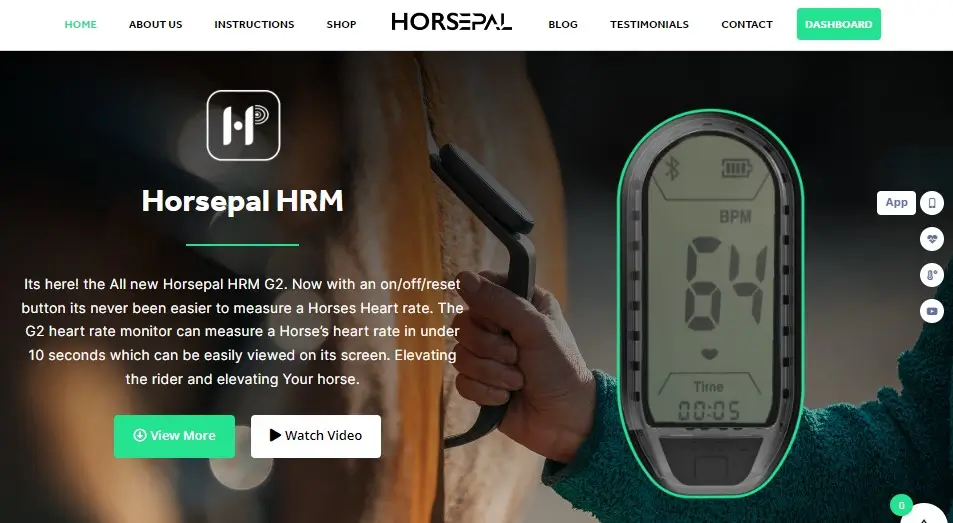
 A flowchart illustrating the steps in a successful horse affiliate marketing campaign would begin with identifying the target niche. This would be followed by creating a website and landing page, optimizing for relevant s and implementing content marketing strategies. Content should include informative blog posts, product reviews, and articles tailored to the Australian market. Social media marketing should follow, building a presence on relevant platforms. Regular monitoring and analysis of campaign performance are crucial, allowing for adjustments and optimization to maximize ROI.