August 31, 2026

bitcoin

Kicking off with bitcoin news putin, the intertwining of cryptocurrency and geopolitics is more relevant than ever as recent events reveal fresh insights into how Putin’s policies are shaping the future of digital currencies. The evolving landscape showcases not only the Russian government’s stance on Bitcoin but also its potential implications for both the local economy and international relations.

As Bitcoin gains traction globally, understanding its impact on Russia’s economy and how it interacts with global markets is crucial. With Putin’s distinctive regulation approach, the cryptocurrency arena in Russia presents a unique case study that will influence future trends, public sentiment, and the broader geopolitical landscape.

Current Events in Bitcoin and Putin’s Influence

In recent months, the intersection of Bitcoin and Russian politics has garnered significant attention. One of the most notable events was Putin’s public acknowledgment of Bitcoin and the broader cryptocurrency market. This marks a shift in the Kremlin’s stance, suggesting a more open approach to digital currencies than previously seen. Putin has expressed interest in regulating cryptocurrency within Russia, emphasizing its potential benefits while also voicing concerns about financial security and fraud.

His administration is exploring frameworks for regulating Bitcoin, which could provide clarity for investors and businesses operating in this space. These developments have implications beyond Russia, as they may influence global markets by setting a precedent for how other nations might engage with cryptocurrencies.

Economic Impact of Bitcoin in Russia

The impact of Bitcoin on the Russian economy is multifaceted. As the adoption of Bitcoin rises, it can offer several benefits, such as facilitating international transactions and attracting foreign investment. However, there are also risks associated with its volatility and the potential for illicit activities.

  • Foreign Investment: Bitcoin can attract investments from those looking for alternative markets, especially amid Western sanctions.
  • Volatility Risks: The fluctuating value of Bitcoin poses risks for users and investors, leading to potential financial instability.
  • Comparison with Other Countries: Unlike countries like El Salvador, which have embraced Bitcoin as legal tender, Russia is taking a more cautious approach, balancing regulation with innovation.

Geopolitical Implications of Bitcoin

Bitcoin’s role in international relations is becoming increasingly significant, particularly for Russia. Cryptocurrencies can serve as tools to circumvent sanctions, allowing Russia to conduct transactions outside of traditional banking systems.For example, in response to sanctions, Russia has explored Bitcoin as a means to maintain trade relations with partner countries. This strategy provides not only a workaround for financial restrictions but also a means to enhance geopolitical influence through technology.

“Bitcoin may provide Russia with a financial lifeline, enabling it to operate independently of Western financial systems.”

Public Sentiment and Media Coverage

The portrayal of Bitcoin in Russian media is complex and varies significantly across different platforms. State-controlled media often reflects skepticism towards cryptocurrencies, highlighting risks such as fraud and market volatility. However, independent channels tend to promote Bitcoin’s potential benefits.Public perception of cryptocurrency in Russia is gradually changing, with a growing segment of the population recognizing Bitcoin’s potential as an investment opportunity.

This shift in sentiment is influenced by media coverage, online discussions, and educational efforts surrounding digital currencies.

Future Trends and Predictions

Looking ahead, several developments in the cryptocurrency landscape related to Russia are anticipated. The government may finalize its regulatory framework for Bitcoin, potentially leading to a more structured market. Scenarios where Putin’s policies could shape the future of Bitcoin include:

  • Enhanced state involvement in cryptocurrency operations, potentially leading to a state-backed digital currency.
  • Increased collaboration with other countries exploring blockchain technology for trade and financial transactions.

Technological advancements will play a crucial role in evolving Bitcoin trends in Russia, influencing how cryptocurrencies are perceived and utilized within the economy. As the landscape continues to change, Russian stakeholders must adapt to capitalize on new opportunities presented by this digital frontier.

Closing Notes

In summary, the discussion of bitcoin news putin highlights the intricate relationship between cryptocurrency and Russia’s evolving policies. As Bitcoin continues to influence economic and geopolitical dynamics, staying informed will be vital for observers and participants alike. The future is set to reveal even more about how Bitcoin may redefine international relations and economic practices in Russia and beyond.

Answers to Common Questions

What is Putin’s stance on cryptocurrency regulation?

Putin advocates for a regulated approach to cryptocurrency, emphasizing the need for oversight to mitigate financial risks while exploring its potential benefits.

How does Bitcoin affect the Russian economy?

Bitcoin presents both opportunities and risks for the Russian economy, potentially boosting innovation but also posing regulatory challenges.

What are the geopolitical implications of Bitcoin for Russia?

Bitcoin can impact international relations, particularly regarding sanctions, by providing alternative avenues for financial transactions.

How is Bitcoin viewed in Russian media?

Russian media portrays Bitcoin with a mix of skepticism and interest, reflecting public debate over its legitimacy and future role.

What potential future developments can we expect regarding Bitcoin in Russia?

Future developments may include clearer regulations, increased adoption, and evolving public perceptions as technology advances.

bitcoin news bloomberg sets the stage for this enthralling narrative, offering readers a glimpse into a story that is rich in detail and brimming with originality from the outset.

This article dives into the latest trends and developments in Bitcoin, highlighting market behaviors, influential factors affecting its value, and Bloomberg’s significant role in shaping public perception. As Bitcoin continues to evolve, its impact on global economics, regulatory changes, and technological innovations cannot be overlooked. With insights from industry experts and a look at emerging investment strategies, this piece aims to provide a comprehensive overview of what’s happening in the world of Bitcoin today.

Current Trends in Bitcoin News

The world of Bitcoin is constantly evolving, with new developments and market behaviors shaping its landscape. In recent months, we have witnessed significant fluctuations in Bitcoin pricing, influenced by a range of factors including investor sentiment, regulatory news, and macroeconomic trends. As Bitcoin continues to capture the attention of both seasoned investors and newcomers, understanding the driving forces behind its value has never been more crucial.

Latest Developments in Bitcoin Pricing

Bitcoin’s price has shown considerable volatility, reflecting broader market trends and investor reactions to various stimuli. Recent reports indicate that the cryptocurrency experienced a notable surge, breaking past key resistance levels. This upward momentum was fueled by increased interest from institutional investors and major companies integrating Bitcoin into their financial strategies.

Influential Factors Affecting Bitcoin’s Value

Several factors are pivotal in influencing Bitcoin’s market value, including:

  • Market Sentiment: Positive news from large financial institutions often drives prices up, while negative regulatory news can lead to sharp declines.
  • Supply and Demand Dynamics: The limited supply of Bitcoin, capped at 21 million coins, creates a scarcity effect that can drive prices higher as demand increases.
  • Global Economic Indicators: Inflation rates and economic crises can push investors towards Bitcoin as a hedge against currency devaluation.

Bitcoin Adoption by Major Companies

The adoption of Bitcoin by significant players in the market showcases its increasing legitimacy. Companies like Tesla and Square have made sizeable investments in Bitcoin, while others are beginning to accept it as a form of payment. These actions not only bolster Bitcoin’s value but also enhance its visibility in the mainstream financial ecosystem.

Bloomberg’s Influence on Bitcoin Reporting

Bloomberg has established itself as a critical player in the financial news space, particularly regarding Bitcoin. The outlet’s comprehensive coverage and analysis of Bitcoin trends shape public perception and inform investment strategies for many.

The Impact of Bloomberg’s Coverage

Bloomberg’s reporting plays a significant role in influencing how investors view Bitcoin.

  • In-depth Analysis: Bloomberg provides thorough analysis and insights which help investors make informed decisions.
  • Market Predictions: Regular updates and forecasts on Bitcoin prices guide investment strategies.
  • Reputable Sources: Featuring interviews with industry experts adds credibility to their reports.

Key Articles Shaping Investment Strategies

Several key articles published by Bloomberg have had a notable impact on Bitcoin investment strategies. For instance, pieces analyzing the correlation between Bitcoin and traditional market assets have prompted investors to reconsider their portfolios. These articles often drive investor behavior and sentiment in significant ways.

Comparison with Other Financial News Outlets

When compared to other financial news outlets, Bloomberg’s reporting style is distinguished by its depth and analytical approach. Unlike more generalist sources, Bloomberg dives into the specifics of Bitcoin’s market dynamics, providing readers with actionable insights which are critical for making investment decisions.

Regulatory Changes Affecting Bitcoin

Recent governmental actions around the globe have set the stage for significant changes in how Bitcoin is regulated and traded. Understanding these shifts is vital for anyone involved in the cryptocurrency space.

Recent Government Actions and Regulations

Governments are increasingly establishing frameworks to regulate Bitcoin. Key developments include:

  • Taxation Policies: Countries like the United States and the EU are clarifying tax implications for cryptocurrency transactions.
  • Licensing Requirements: Several nations are instituting licensing for exchanges to promote transparency and security.
  • Anti-Money Laundering (AML) Regulations: Stricter AML laws are being enforced to prevent illicit activities associated with Bitcoin.

Implications of Regulatory Changes

Regulatory changes can have profound implications for Bitcoin trading and investment, potentially affecting market liquidity and investor confidence. For example, clearer regulations may attract institutional investors, while overly restrictive laws could stifle innovation and deter new participants from entering the market.

Adapting Policies for Bitcoin Integration

Countries are adapting their policies to better integrate Bitcoin into their financial systems. Some nations are exploring Central Bank Digital Currencies (CBDCs) while others are allowing Bitcoin trading under specific regulatory guidelines. These adaptations reflect a growing recognition of Bitcoin and its potential role in the future economy.

Bitcoin Technology Innovations

As Bitcoin matures, technological innovations continue to enhance its functionality and security. Staying informed about these developments is essential for participants in the Bitcoin ecosystem.

New Technologies in the Bitcoin Network

Recent advancements in Bitcoin technology have significantly improved its performance and usability. Some notable innovations include:

  • Layer 2 Solutions: Technologies like the Lightning Network enable faster and cheaper transactions, enhancing Bitcoin’s scalability.
  • Enhanced Security Protocols: Ongoing improvements in encryption and hashing algorithms bolster the security of transactions.
  • Smart Contract Capabilities: The integration of smart contracts opens new avenues for decentralized applications on the Bitcoin network.

Advancements in Blockchain Technology

Blockchain technology, the backbone of Bitcoin, continues to evolve. Recent advancements focus on improving transaction speed, reducing energy consumption, and enhancing privacy features, which are critical for maintaining user trust and security in the network.

Impact of Innovations on Bitcoin Transactions

Technological innovations are transforming how Bitcoin transactions are conducted, making them more secure and efficient. For instance, improvements in transaction verification times mean users can experience quicker processing, which is vital for real-time applications and everyday use.

Expert Opinions on Bitcoin’s Future

In the dynamic world of Bitcoin, expert opinions vary widely regarding its future trajectory. Understanding these perspectives can provide valuable insights for investors.

Expert Predictions on Market Trajectory

Experts are making varied predictions about Bitcoin’s market future.

  • Long-Term Bullish Views: Some analysts foresee Bitcoin reaching new all-time highs driven by institutional adoption and scarcity.
  • Bearish Concerns: Others caution against market bubbles and potential regulatory crackdowns which might hinder growth.
  • Stabilization Predictions: A faction believes Bitcoin will stabilize as it becomes more integrated into the traditional financial system.

Economic Analysts’ Viewpoints

Economists and financial analysts offer diverse perspectives on Bitcoin’s role in the economy. Some view it as a viable alternative asset, while others argue it lacks intrinsic value and is purely speculative.

Interviews with Industry Leaders

Recent interviews with Bitcoin industry leaders reveal insights into the future of the cryptocurrency. Topics frequently discussed include the importance of education in fostering adoption, the ongoing challenges of regulatory compliance, and the potential for Bitcoin to act as a safe haven asset during economic uncertainty.

Bitcoin in the Global Economic Context

Bitcoin’s significance extends beyond its market as it plays a role in the global economic landscape. Understanding this context is crucial for grasping its potential impact.

Bitcoin’s Role During Economic Shifts

Bitcoin has positioned itself as a potential hedge during economic downturns. Its performance compared to traditional assets during crises often highlights its appeal as a non-correlated asset class.

Performance Against Traditional Assets

In recent economic downturns, Bitcoin has shown resilience, often outperforming traditional assets like stocks. This comparison illustrates its growing acceptance as an alternative investment strategy.

Impact of International Events on Bitcoin

International events—such as geopolitical tensions or global pandemics—often lead to fluctuations in Bitcoin’s price. Investors closely monitor these events, as they can influence market sentiment and drive demand for Bitcoin as a safe asset during turbulent times.

Investment Strategies for Bitcoin

Developing effective investment strategies is essential for navigating the volatile landscape of Bitcoin trading. Investors must be equipped with various approaches to maximize their potential returns.

Various Investment Strategies for Bitcoin Traders

There are several investment strategies that Bitcoin traders can adopt:

  • HODLing: This long-term strategy involves purchasing Bitcoin and holding it for an extended period, betting on appreciation over time.
  • Day Trading: Active traders capitalize on short-term price movements, making quick trades to accumulate profit.
  • Dollar-Cost Averaging: This approach involves consistently purchasing Bitcoin over time, reducing the impact of volatility.

Comparison of Short-Term and Long-Term Approaches

Investors must weigh the pros and cons of short-term versus long-term investment approaches:

Strategy Pros Cons
Short-Term Potential for quick gains, flexibility Higher risk, requires constant market monitoring
Long-Term Less stressful, potential for substantial growth Requires patience, exposure to market fluctuations

Tips for Risk Management in Bitcoin Markets

Effective risk management is crucial when investing in Bitcoin markets.

  • Set Stop-Loss Orders: Protect your investment by setting automated sell orders at predetermined price points.
  • Diversify Your Portfolio: Avoid putting all your funds into Bitcoin; consider a mix of assets to mitigate risk.
  • Stay Informed: Regularly update yourself on market trends and news to make informed decisions.

Bitcoin’s Social and Cultural Impact

Beyond its financial implications, Bitcoin has influenced social movements and cultural phenomena. Understanding this aspect highlights its broader significance in contemporary society.

Influence on Social Movements

Bitcoin has become synonymous with various social movements advocating for financial freedom and independence. Its decentralized nature appeals to those seeking alternatives to traditional banking systems.

Transforming Online Communities

The rise of Bitcoin has fostered unique online communities where discussions about cryptocurrency, trading strategies, and technological innovations thrive. These platforms create a sense of belonging among enthusiasts and educators.

Emergence of Bitcoin-Related Art and Culture

Recent years have seen the emergence of Bitcoin-related art, music, and literature, reflecting its cultural significance. Artists and creators are increasingly inspired by the philosophy and potential of Bitcoin, producing works that resonate with its ideals.

Final Summary

In summary, as Bitcoin navigates through a complex landscape of market changes, regulatory shifts, and technological advancements, the insights derived from Bloomberg’s reporting and expert analyses equip investors and enthusiasts with the knowledge needed for informed decisions. Whether you’re a seasoned trader or just starting out, understanding these dynamics surrounding Bitcoin is crucial for capitalizing on its potential in the future.

FAQ Resource

What are the latest trends in Bitcoin pricing?

Bitcoin pricing trends indicate increased volatility with recent surges and declines influenced by market sentiment and major institutional adoptions.

How does Bloomberg influence Bitcoin perception?

Bloomberg’s extensive coverage and analysis shape public and investor perceptions, often impacting Bitcoin’s market strategies significantly.

What recent regulations affect Bitcoin trading?

Recent regulations focus on compliance measures, taxation, and anti-money laundering protocols, affecting how Bitcoin is traded and utilized globally.

What are some investment strategies for Bitcoin?

Popular strategies include long-term holding, dollar-cost averaging, and leveraging market analytics to inform short-term trades.

How is Bitcoin impacting social movements?

Bitcoin has empowered various social movements by providing decentralized financial systems, enabling funding and support without traditional barriers.

Kicking off with bitcoin value today to us dollar, it’s essential to stay updated on how this leading cryptocurrency is performing in the ever-evolving market. Bitcoin, often viewed as the gold standard of digital currencies, reflects a unique intersection of technology and finance that captures the interest of both seasoned investors and newcomers alike.

Today, the price of Bitcoin is subject to fluctuations influenced by various market dynamics, news events, and broader economic conditions. With recent market trends and historical data, understanding how Bitcoin ranks against the US dollar can provide valuable insights for anyone looking to enter or expand their presence in the cryptocurrency landscape.

Current Bitcoin Value

The value of Bitcoin has been a focal point for both investors and the general public, fluctuating regularly based on market dynamics. As of today, the current Bitcoin value stands at $XX,XXX. This represents a change of X% over the last 24 hours, reflecting the ongoing volatility in the cryptocurrency market. Market trends have significantly influenced Bitcoin’s value, particularly the recent surge in institutional investments and the fluctuating regulations across different countries.

Historical price movement shows how Bitcoin has evolved over the years, often experiencing dramatic ups and downs relative to the US dollar.

Factors Influencing Bitcoin’s Value

Several economic factors contribute to Bitcoin’s price fluctuations. Key elements include inflation rates, interest rate changes, and the overall economic climate. Market demand and supply play a critical role as well; when demand exceeds supply, prices typically rise, and vice versa. Additionally, regulatory impacts, such as government policies on cryptocurrency trading and taxation, significantly affect Bitcoin’s value today.

Comparison with Other Cryptocurrencies

Bitcoin’s value is often compared to that of major altcoins such as Ethereum and Ripple. At present, Bitcoin is valued at $XX,XXX, while Ethereum stands at $X,XXX, and Ripple at $X. The market capitalization of Bitcoin is currently around $XXX billion, which remains dominant compared to other cryptocurrencies, reflecting its leading position in the market. Notably, Bitcoin’s volatility continues to be higher than that of many altcoins, making it a more risky investment option.

Investment Perspectives

Investing in Bitcoin at its current value requires strategic planning. Investors should consider dollar-cost averaging to mitigate risks associated with BTC’s volatility. The risks include potential significant price drops and regulatory uncertainties. Analysts suggest that the potential for future movements in Bitcoin’s value hinges on economic recovery, regulatory developments, and broader market acceptance of cryptocurrencies.

Bitcoin Value Projections

Expert predictions regarding Bitcoin’s value over the next month vary widely. Many analysts employ technical analysis methods, including moving averages and support-resistance levels, to forecast trends. Below is a table displaying various expert predictions for Bitcoin’s value in USD:

Expert Name Prediction (USD) Time Frame
Analyst A $XX,XXX 1 Month
Analyst B $XX,XXX 1 Month
Analyst C $XX,XXX 1 Month

Global Economic Impact on Bitcoin

Global economic conditions play a significant role in Bitcoin’s valuation today. Factors such as the performance of fiat currencies, particularly the US dollar, can directly influence Bitcoin pricing. Many investors view Bitcoin as a hedge against inflation, particularly when traditional currencies show signs of devaluation.

Public Sentiment and Its Effect

Public sentiment, often gauged through social media trends, has a considerable impact on Bitcoin’s value. Major news events, such as regulatory announcements or institutional investments, can lead to rapid price changes. Influencers and thought leaders in the cryptocurrency space frequently shape public perception, affecting overall market behavior.

Bitcoin Trading Practices

There are numerous trading platforms available for buying or selling Bitcoin today, including major exchanges like Coinbase and Binance. Common trading strategies include swing trading, day trading, and long-term holding, each tailored to the current value and market conditions. Timing remains crucial in Bitcoin trades, as prices can fluctuate dramatically within short periods.

Closure

In summary, the discussion around bitcoin value today to us dollar highlights not just the current price but also the underlying factors that drive its volatility and potential for growth. Whether you’re an investor, a trader, or simply curious about cryptocurrency, keeping a close eye on these trends will equip you with the knowledge to navigate this exciting and sometimes unpredictable market.

Frequently Asked Questions

What is the current bitcoin value today to us dollar?

The current value of Bitcoin in USD can fluctuate frequently, so it’s best to check a reliable financial news source or cryptocurrency exchange for real-time data.

How often does bitcoin value change?

Bitcoin value can change multiple times within a day due to market volatility, influenced by trading volume, news, and market sentiment.

What factors can cause bitcoin’s price to rise or fall?

Factors include market demand, economic news, regulatory changes, and the performance of other cryptocurrencies.

Is bitcoin a good investment?

Bitcoin can be a good investment depending on your risk tolerance and investment strategy, but it’s important to conduct thorough research and consider market volatility.

How does bitcoin compare to other cryptocurrencies in value?

Bitcoin typically leads the market in terms of value, but it can be compared to altcoins based on market capitalization and performance metrics.

Bitcoin price today market sets the stage for this enthralling narrative, offering readers a glimpse into a story that is rich in detail and filled with fascinating insights. With the cryptocurrency market constantly evolving, understanding the dynamics behind Bitcoin’s price movements can be both intriguing and essential for potential investors.

As we dive into the latest Bitcoin price trends, we’ll explore the factors that influence its value, historical price shifts, and what the future might hold. Whether you’re a seasoned trader or a curious newcomer, this overview provides the necessary context to navigate the world of Bitcoin pricing effectively.

Current Bitcoin Pricing

The cryptocurrency market is known for its volatility, and Bitcoin, as the leading digital asset, is no exception. As of today, the latest Bitcoin price stands at approximately $34,200, reflecting a 3% increase over the last 24 hours. This shift in price showcases the dynamic nature of Bitcoin trading, influenced by various factors including market sentiment and macroeconomic trends.Several factors contribute to Bitcoin’s current pricing, including supply and demand dynamics, macroeconomic indicators, and investor sentiment.

For instance, increased institutional interest has historically driven prices up, while regulatory news can have an opposite effect. Additionally, a detailed comparison of today’s Bitcoin price versus prices from the last week reveals a notable fluctuation, with prices ranging from $32,500 to $34,500.

Historical Bitcoin Price Trends

Throughout its history, Bitcoin has experienced significant price movements that have shaped its trajectory in the cryptocurrency market. Major milestones include reaching an all-time high of nearly $69,000 in November 2021, followed by a sharp decline due to regulatory scrutiny and environmental concerns. Events such as the 2017 ICO boom and the COVID-19 pandemic also played pivotal roles in Bitcoin’s pricing.The table below illustrates Bitcoin’s price at key historical moments, providing insights into how events have influenced its value:

Date Price (USD) Event
2010-07-05 $0.0008 First recorded Bitcoin transaction
2017-12-17 $19,783 All-time high during the ICO boom
2021-11-10 $69,000 All-time high amidst growing institutional adoption
2022-06-30 $19,000 Market crash due to regulatory concerns

Market Influences on Bitcoin Price

Supply and demand play a crucial role in determining Bitcoin’s market price. With a capped supply of 21 million coins, scarcity tends to drive demand, especially during bullish market phases. Market sentiment is another influential factor; positive news can create buying frenzies, while negative developments, such as hacks or regulatory changes, can lead to price drops.Examples of market sentiment influencing Bitcoin prices include the surge in 2020 when major companies like PayPal announced support for cryptocurrency transactions.

Conversely, the announcement of potential crackdowns in China in 2021 resulted in a sharp decline in prices.Macroeconomic factors also significantly impact Bitcoin’s market performance. Inflation rates, changes in interest rates, and economic stability all affect investor behavior towards Bitcoin as a store of value or a speculative asset.

Predictions and Future Trends

Experts predict that Bitcoin’s pricing trajectory over the next month may continue to reflect current volatility, with expectations of potential resistance around the $36,000 mark. Looking ahead to the next year, many analysts suggest that Bitcoin could reach new highs, especially if adoption among institutional investors continues to grow.Technological advancements such as the Lightning Network, which aims to facilitate faster transactions, could positively affect Bitcoin pricing by increasing its usability.

However, potential risks include regulatory changes, market manipulation, and competition from other cryptocurrencies.

Comparison with Other Cryptocurrencies

Currently, Bitcoin remains the dominant cryptocurrency, but it’s essential to compare its performance with top alternatives like Ethereum, Binance Coin, and Cardano. Each of these cryptocurrencies has its own growth patterns and market capitalizations.The table below summarizes the prices of Bitcoin and its closest competitors today:

Cryptocurrency Price (USD) Market Cap (USD)
Bitcoin (BTC) $34,200 $640 billion
Ethereum (ETH) $2,100 $250 billion
Binance Coin (BNB) $300 $50 billion
Cardano (ADA) $0.50 $15 billion

Investment Strategies Based on Current Prices

Investors looking at today’s Bitcoin price can adopt diverse strategies tailored to their risk tolerance and investment goals. Dollar-cost averaging is one approach, allowing investors to spread their purchases over time to mitigate volatility. Risk management techniques are essential for those considering buying Bitcoin at current prices. Setting stop-loss orders and diversifying portfolios are effective strategies to protect against sudden downturns.

Timing is crucial; market trends and news can shift rapidly, making it vital for investors to stay informed and ready to act based on market indicators.

Regulatory Impact on Bitcoin Price

Recent regulatory changes have impacted Bitcoin’s pricing landscape significantly. For instance, the SEC’s stance on Bitcoin ETFs has created both excitement and uncertainty in the market. Countries that embrace cryptocurrency regulations tend to see more stable pricing, while those imposing strict regulations often experience price volatility.A comparative analysis of Bitcoin pricing in regions with strict versus lenient regulations shows that countries like the USA, with clearer guidelines, generally have more stable Bitcoin prices compared to regions with fluctuating regulations.

Technical Analysis of Bitcoin Price

Technical analysis plays a crucial role in understanding Bitcoin’s pricing. Traders commonly use indicators such as Moving Averages, Relative Strength Index (RSI), and Bollinger Bands to gauge market trends. Chart patterns, including Head and Shoulders or Double Tops, can signal potential price reversals or continuations. Trading volume is particularly significant; higher volumes often indicate stronger trends and can provide insights into market sentiment.By understanding these technical indicators and patterns, traders can make more informed decisions about when to enter or exit the Bitcoin market.

Final Review

In summary, the bitcoin price today market is a complex interplay of historical trends, market influences, and potential future developments. By staying informed about these dynamics, investors can make more educated decisions and better understand the risks and opportunities present in the cryptocurrency landscape. As we continue to watch Bitcoin’s journey, it remains a captivating subject for anyone interested in digital finance.

Essential FAQs

What factors influence Bitcoin’s price today?

Several factors, including supply and demand, market sentiment, and macroeconomic conditions, directly impact Bitcoin’s current pricing.

How does Bitcoin’s price compare to other cryptocurrencies?

Bitcoin often leads the market, with its price movements affecting other cryptocurrencies, although fluctuations can vary significantly between them.

What are some common investment strategies for Bitcoin?

Investors typically consider strategies such as dollar-cost averaging, swing trading, and long-term holding based on current price trends.

Are there any regulations affecting Bitcoin prices?

Yes, regulations vary by country and can significantly influence Bitcoin’s price, with stricter regulations often leading to price declines.

What is the importance of trading volume in Bitcoin analysis?

Trading volume provides insights into market activity and liquidity, helping traders gauge the strength of price movements.

Bitcoin price today coinbase is not just a number; it’s a reflection of market trends and investor sentiment that can change in an instant. As the digital currency landscape evolves, understanding the current price on Coinbase becomes crucial for both seasoned investors and newcomers alike.

Today, we’ll delve into the intricacies of Bitcoin’s current pricing, exploring the factors that influence its fluctuations, comparing it to historical data, and analyzing the implications of recent news events on the market. By the end, you’ll have a clearer picture of where Bitcoin stands and what it could mean for your investments.

Current Bitcoin Price Overview

As of today, the price of Bitcoin on Coinbase stands at a pivotal point, reflecting not just the internal dynamics of the cryptocurrency market but also external factors influencing its trajectory. In recent hours, Bitcoin’s price has experienced notable fluctuations, which prompt an examination of what drives these changes. The factors influencing today’s price fluctuations include market sentiment, recent economic data releases, and regulatory news.

The cryptocurrency market is inherently volatile, and today’s price movements can be attributed to a confluence of trader reactions and broader economic indicators. Key market trends show increased institutional interest, alongside retail investor behavior, which are crucial elements in understanding Bitcoin’s current valuation.

Historical Price Comparison

A look back at Bitcoin’s prices over the past week reveals interesting patterns. Currently priced at $X, today’s Bitcoin value has seen a rise/fall compared to the past week, where it hovered around $Y. This week alone, Bitcoin has experienced swings ranging from $Z to $W, showcasing its volatility. In addition, significant price changes over the last month illustrate the dynamic nature of Bitcoin trading on Coinbase.

For instance, the price a month ago was approximately $A, and the recent spike/dip to its current price highlights the rapid shifts common in the crypto space. Historical data serves as a vital tool in understanding these price movements, emphasizing the importance of looking at past trends to forecast future behavior.

Price Prediction Methods

Predicting Bitcoin prices involves various methodologies, each providing a unique lens through which traders can analyze potential future movements. Commonly used methods include fundamental analysis, technical analysis, and sentiment analysis. Technical analysis plays a crucial role in price forecasting for Bitcoin. Traders utilize charts and historic price data to identify patterns and trends that could indicate future price movements. Key indicators such as moving averages, Relative Strength Index (RSI), and Fibonacci retracement levels are commonly utilized tools in the analysis toolkit.

Impact of News on Bitcoin Price

Recent news stories have significantly impacted Bitcoin’s price, with examples demonstrating the correlation between media coverage and market reactions. For instance, announcements regarding regulatory changes or adoption by major companies often lead to immediate price fluctuations, reflecting trader sentiment and public perception.Market sentiment is heavily shaped by news events, with social media trends amplifying reactions. Regulatory news, in particular, has a profound impact on Bitcoin prices today, as traders react to the implications of such announcements on the broader acceptance and legality of cryptocurrencies.

Investment Strategies Based on Current Prices

Given the current price of Bitcoin, investors can adopt various strategies to optimize their trading. Some common strategies include dollar-cost averaging, swing trading, and holding long-term positions. Risk management is paramount while trading Bitcoin at today’s price levels. Investors should consider setting stop-loss orders to limit potential losses and diversify their portfolios to mitigate risks. Best practices for new investors include starting with small investments, staying informed about market trends, and utilizing tools provided by exchanges like Coinbase to make educated decisions.

Coinbase Platform Features Related to Price

Coinbase provides numerous features that help users track Bitcoin prices effectively. Users can access live price charts, set price alerts, and utilize advanced trading tools to enhance their trading experience. When comparing Coinbase’s pricing tools with other cryptocurrency exchanges, it becomes evident that Coinbase offers an intuitive interface and robust features tailored for both novice and experienced traders. Using Coinbase’s alerts and notifications allows users to stay informed about significant price changes, ensuring they can act swiftly in a fast-moving market.

Market Sentiment Analysis

Current market sentiment regarding Bitcoin reflects cautious optimism among traders. As Bitcoin’s price fluctuates, discussions on social media platforms focus on potential price movements, influencing trader decisions and perceptions.Community discussions provide insights into the collective sentiment surrounding Bitcoin’s price today. Platforms such as Reddit and Twitter are abuzz with commentary, showcasing varying opinions on whether Bitcoin is set to rise or face downward pressure, thereby shaping the overall market sentiment.

Closure

In conclusion, monitoring bitcoin price today coinbase not only helps in making informed investment decisions but also offers insights into broader market dynamics. With the right tools and knowledge, you can navigate the complexities of Bitcoin trading and position yourself for success in this ever-changing environment.

Commonly Asked Questions

What affects the bitcoin price today on Coinbase?

The bitcoin price on Coinbase is influenced by various factors including market demand, investor sentiment, regulatory news, and macroeconomic trends.

How can I track bitcoin price changes on Coinbase?

You can use Coinbase’s pricing tools, alerts, and notifications to stay updated on bitcoin price changes effectively.

What were the significant price movements for bitcoin this month?

This month, bitcoin experienced notable fluctuations, influenced by market sentiment and external economic factors, which can be analyzed through historical data.

Are there specific investment strategies best suited for today’s bitcoin price?

Yes, strategies such as dollar-cost averaging, setting stop-loss orders, and staying informed about market trends are advisable for today’s bitcoin pricing environment.

How does news impact bitcoin’s price on Coinbase?

News events can significantly sway bitcoin prices as they shape market sentiment, resulting in rapid price changes based on investor reactions.

With bitcoin price usd vs gold at the forefront, this discussion explores the contrasting natures of these two prominent assets. Over the years, both Bitcoin and gold have carved out significant roles in the financial landscape, serving as vital stores of value for investors seeking safety and growth. As we dive deeper into their characteristics and current market trends, we’ll uncover how they compare and influence each other in today’s economy.

This exploration highlights the historical significance and the unique qualities of Bitcoin as a digital currency and gold as a timeless precious metal. By understanding the dynamics between these two assets, investors can make informed decisions about their portfolios and navigate the ever-evolving financial markets.

Introduction to Bitcoin and Gold

Bitcoin and gold are two of the most recognized assets in the financial world today, each serving distinct roles for investors. Bitcoin, a digital cryptocurrency born from blockchain technology, is often viewed as a modern alternative to traditional currencies. Gold, on the other hand, has been a symbol of wealth and stability for thousands of years, valued for its scarcity and intrinsic properties.

Both assets have historical significance, with gold being a long-standing standard in trade and currency, while Bitcoin’s emergence represents a revolutionary shift in how we perceive and utilize money.Investors frequently look to both Bitcoin and gold as stores of value, especially in times of economic uncertainty. Gold is traditionally seen as a safe haven during market volatility, whereas Bitcoin has gained traction as “digital gold,” appealing to those seeking high returns and diversification in the ever-evolving financial landscape.

Current Trends: Bitcoin Price vs Gold

In recent months, the price of Bitcoin in USD has experienced significant fluctuations, often drawing comparisons to the more stable price of gold. As of now, Bitcoin is trading around $30,000, while gold hovers near $1,800 per ounce. These figures illustrate how Bitcoin remains much more volatile compared to gold, which has a reputation for steadiness.Over the past year, Bitcoin has seen price movements characterized by sharp rises and falls, largely influenced by market sentiment, regulatory news, and macroeconomic factors.

In contrast, gold’s price has been relatively stable, oscillating within a narrower range.

  • Bitcoin reached an all-time high of nearly $69,000 in November 2021 before experiencing a substantial correction.
  • In mid-2022, Bitcoin prices dropped below $20,000, reflecting investor anxiety amid rising inflation.
  • Gold prices surged to approximately $2,000 per ounce during the height of geopolitical tensions in 2022.
  • Recent announcements by central banks regarding interest rate changes have also impacted both assets’ prices.

Factors Influencing Bitcoin and Gold Prices

Several economic indicators play a crucial role in affecting Bitcoin prices. These include inflation rates, interest rates, and broader economic growth metrics. For Bitcoin, a rise in inflation typically leads to increased interest as investors seek to hedge against currency devaluation.Conversely, gold prices are significantly influenced by geopolitical events. For instance, conflicts, sanctions, and trade wars often drive investors towards gold as a safe haven.

The interconnectedness of global markets means that events affecting gold can also sway Bitcoin prices indirectly.

Asset Economic Indicators Geopolitical Events
Bitcoin Inflation, interest rates, adoption rates Regulatory announcements, technology advancements
Gold Interest rates, currency strength Wars, political instability

Investment Strategies: Bitcoin vs Gold

When considering investment strategies for Bitcoin and gold, it’s essential to tailor approaches specific to each asset. Bitcoin investments often focus on high-risk, high-reward strategies, including holding for the long term (HODL) or engaging in trade with the volatility of the market.For gold, strategies usually emphasize steady accumulation and preservation of wealth, often seen as a stable component in a diversified portfolio.

Risk management techniques for Bitcoin may involve setting stop-loss levels, while for gold, strategies might include periodic rebalancing of assets based on market conditions.

  • Hold Bitcoin long-term to ride out volatility.
  • Use dollar-cost averaging when investing in gold.
  • Consider a 70/30 split between stocks and gold as a stable portfolio.
  • Incorporate Bitcoin as a small percentage to enhance potential growth.

Market Sentiment and Public Perception

Public sentiment plays a vital role in shaping the investment landscape for both Bitcoin and gold. Bitcoin often garners attention on social media, where trends can lead to rapid price changes based on influencer opinions or community sentiment. This volatility creates a speculative environment where market participants react swiftly to news.Gold, on the other hand, tends to benefit from a more stable perception as a reliable asset.

However, social media narratives can also sway public opinion, especially during times of economic uncertainty.Methods used to gauge market sentiment for cryptocurrency include tracking social media mentions, sentiment analysis tools, and monitoring trading volumes. For gold, investor surveys and market analysis reports provide insights into public perception and investment intentions.

Regulatory Environment

The regulatory landscape has a significant impact on Bitcoin pricing, especially in the USD market. New regulations can spur investor confidence or incite fear, leading to rapid price changes. For example, increased scrutiny from governments can lead to declines in Bitcoin prices, while favorable regulations may boost them.Gold trading is also subject to regulations, particularly concerning its mining and distribution.

These regulations can have indirect effects on Bitcoin as both assets vie for investor attention.

Region Bitcoin Regulations Gold Regulations
USA SEC guidelines on crypto assets Commodity Futures Trading Commission (CFTC) oversight
EU MiCA regulations in development Anti-money laundering (AML) directives

Future Projections: Bitcoin vs Gold

Looking ahead, expert predictions regarding Bitcoin’s price vary widely, with some analysts forecasting a return to previous highs based on increased adoption and market maturity, while others caution against potential regulatory challenges that could hinder growth. For instance, prominent crypto advocates suggest that Bitcoin could reach $100,000 within the next few years if market conditions are favorable.Gold is expected to retain its value over the long term, with many analysts projecting gradual price increases due to ongoing inflationary pressures and geopolitical uncertainties.

The correlation between Bitcoin and gold may continue to evolve as they both adapt to changing economic climates.Various economic models used for forecasting both asset prices include regression analysis, ARIMA models for time series forecasting, and machine learning algorithms. These methodologies can provide valuable insights, although their reliability depends on accurate data and market conditions.

Summary

In summary, the interplay between bitcoin price usd and gold is a captivating topic that reveals much about modern investment strategies and market sentiment. As we look ahead, the future of both assets remains closely monitored by investors and analysts alike. By staying informed about their trends and the factors influencing their prices, one can better position themselves in the financial landscape.

Question Bank

What influences the price of Bitcoin?

The price of Bitcoin is influenced by factors such as market demand, regulatory news, technological developments, and macroeconomic trends.

How does gold serve as a hedge against inflation?

Gold is often viewed as a hedge against inflation because it tends to retain its value when the purchasing power of fiat currencies declines.

Is investing in Bitcoin more risky than gold?

Yes, Bitcoin is generally considered more volatile and riskier than gold due to its price fluctuations and regulatory uncertainties.

Can Bitcoin and gold be part of the same investment portfolio?

Absolutely, diversifying with both Bitcoin and gold can help balance risk and potential returns in an investment portfolio.

How do geopolitical events affect gold prices?

Geopolitical events can create uncertainty, leading to increased demand for gold as a safe-haven asset, which can drive prices up.

Exploring the bitcoin price usd moving average reveals fascinating insights into the dynamics of cryptocurrency trading. As bitcoin continues to gain traction in the financial world, understanding its price movements against the USD becomes essential for investors and traders alike. This analysis delves into how moving averages can guide trading decisions and provide clarity amid the volatility of the crypto market.

By examining historical trends and applying practical strategies, we can better grasp the forces at play in determining bitcoin’s value. Whether you are a seasoned trader or a newcomer to the world of cryptocurrencies, this discussion will equip you with valuable knowledge about the significance of moving averages in predicting future price trends.

Understanding Bitcoin Price Movements

The fluctuations in Bitcoin’s price against the USD can often be dramatic, reflecting the cryptocurrency’s inherent volatility. Over the past year, Bitcoin has seen significant price changes, driven by various factors that influence its market value. Understanding these movements is crucial for anyone looking to invest or trade in Bitcoin.The price of Bitcoin can fluctuate due to supply and demand dynamics, regulatory news, market sentiment, and macroeconomic factors.

For instance, in 2022, Bitcoin experienced a significant drop from around $60,000 in April to nearly $30,000 by June, primarily due to regulatory concerns in key markets and macroeconomic pressures. Another notable moment was in late 2021, when Bitcoin reached an all-time high of approximately $69,000, fueled by increased institutional investment and mainstream adoption.Several factors influence Bitcoin’s price in USD, including:

  • Market demand and supply
  • Global economic trends
  • Technological advancements and changes in the Bitcoin network
  • Investor sentiment and speculation
  • Regulatory news and government actions

Moving Averages in Cryptocurrency Trading

Moving averages are a vital tool in cryptocurrency trading, helping traders to smooth out price data and identify trends over time. They serve the purpose of providing a clearer view of the market’s direction by filtering out the noise of short-term price fluctuations.Calculating moving averages for Bitcoin can be done in several ways. The two most common types are the Simple Moving Average (SMA) and the Exponential Moving Average (EMA).

The SMA is calculated by taking the average of Bitcoin’s price over a specific period, while the EMA gives more weight to recent prices, making it more responsive to new information.Comparing the two, the SMA is beneficial for identifying longer-term trends, while the EMA is often preferred by traders looking for quicker signals to enter or exit trades. Each type of moving average has its specific use case depending on the trading strategy.

Analyzing Moving Averages for Bitcoin

Interpreting moving average trends for Bitcoin can help traders identify potential entry and exit points. When the price crosses above a moving average, it may indicate a bullish trend, while a cross below could suggest a bearish trend. Crossover points are significant in moving averages. A commonly used strategy is the ‘Golden Cross’ and ‘Death Cross’ indicators, where a short-term moving average crosses above or below a long-term moving average, respectively.

These crossovers can serve as signals for traders to take action.To set up moving averages in trading platforms, follow these steps:

  1. Select the Bitcoin chart on your trading platform.
  2. Choose the type of moving average you want to use (SMA or EMA).
  3. Set the time frame you wish to analyze (e.g., 50-day, 200-day).
  4. Add the moving average to the chart.
  5. Observe the price movements relative to the moving average for trading signals.

Historical Moving Averages of Bitcoin Price

Understanding historical moving averages can provide insights into Bitcoin’s price movements. The following table lists historical Bitcoin prices alongside their corresponding moving averages over time.

Date Bitcoin Price (USD) 50-Day SMA 200-Day SMA
January 1, 2023 $16,500 $17,000 $23,000
April 1, 2023 $28,000 $24,500 $21,000
July 1, 2023 $35,000 $28,000 $25,500
October 1, 2023 $45,000 $38,000 $30,000

Patterns in historical moving averages can highlight trends and potential future price movements. For example, if the price consistently stays above the moving average, it may indicate a strong bullish trend. Conversely, if the price frequently dips below the moving average, it could signal bearish sentiment.

Practical Strategies Using Moving Averages

Incorporating moving averages into trading strategies can be highly beneficial. Here are some practical strategies that traders often use:

  • Trend following: Utilize moving averages to identify and follow market trends.
  • Crossover strategies: Trade on signals generated by moving average crossovers.
  • Support and resistance levels: Use moving averages to identify potential support and resistance areas.

Case studies illustrate how moving averages have been successfully utilized in Bitcoin trading. For instance, during the upward trend in early 2023, traders who employed a moving average crossover strategy saw significant gains as they could enter trades at optimal points.However, there are risks associated with relying solely on moving averages, especially in volatile markets where false signals can occur.

Traders should be cautious and consider additional indicators for a more comprehensive analysis.

The Role of Market Sentiment in Price Movements

Market sentiment plays a crucial role in Bitcoin’s price movements in USD. Positive news or developments can lead to increased demand, while negative news can trigger sell-offs. For example, announcements regarding regulatory changes or endorsements from well-known investors can significantly impact Bitcoin’s price. When Tesla announced it would accept Bitcoin for vehicle purchases, the price surged. Conversely, when China reiterated its crackdown on cryptocurrency, the price saw a sharp decline.Moving averages can help mitigate the impact of market sentiment by smoothing out the price data, allowing traders to focus on the overall trend rather than short-term fluctuations caused by news events.

Tools and Resources for Tracking Bitcoin Prices

Tracking Bitcoin prices and moving averages requires reliable tools and resources. Here’s a list of some of the top platforms available:

  • CoinMarketCap: Offers real-time data and market capitalization insights.
  • TradingView: Provides advanced charting tools and the ability to set up moving averages.
  • CoinGecko: Features comprehensive data on Bitcoin and other cryptocurrencies.

For real-time data and insights, traders should also consider following reputable financial news sources and cryptocurrency analysis platforms. Utilizing reliable sources for price information is paramount, as inaccurate data can lead to poor trading decisions.

Final Summary

In conclusion, the interplay between bitcoin price movements and moving averages is crucial for informed trading decisions. By utilizing historical data and understanding market sentiments, traders can navigate the complexities of bitcoin investments with greater confidence. As we continue to witness the evolution of cryptocurrency, embracing these analytical tools will empower you to make strategic choices in the ever-changing landscape of bitcoin trading.

FAQ

What is the significance of moving averages in bitcoin trading?

Moving averages help traders identify trends, smooth out price fluctuations, and make informed decisions based on historical data.

How often should moving averages be updated?

Moving averages should be updated regularly, typically on a daily or weekly basis, to reflect the most current market conditions.

What is the difference between SMA and EMA?

Simple Moving Average (SMA) calculates the average price over a specific period, while Exponential Moving Average (EMA) gives more weight to recent prices, making it more responsive to market changes.

Can moving averages predict bitcoin price movements?

While moving averages can indicate trends, they cannot predict price movements with certainty; they are best used as part of a broader trading strategy.

How can I set up moving averages on trading platforms?

Most trading platforms offer tools to easily set up moving averages by selecting the desired period and type (SMA or EMA) in their charting options.

Ready to dive into the world of cryptocurrency? Downloading the Binance app for buying Bitcoin and other cryptocurrencies is easier than you might think. This comprehensive guide breaks down the process, from initial download to securing your transactions.

We’ll cover everything from understanding Binance’s role in the crypto market to the specifics of downloading the app and making your first Bitcoin purchase. Plus, we’ll explore alternative platforms and highlight crucial security considerations.

Introduction to Binance and Bitcoin

Binance is a leading global cryptocurrency exchange, facilitating the buying, selling, and trading of various cryptocurrencies. It’s known for its vast selection of digital assets, competitive fees, and user-friendly platform. This platform allows users to engage in a wide range of cryptocurrency activities, from simple purchases to complex trading strategies.Bitcoin, the first and most well-known cryptocurrency, revolutionized the digital finance landscape.

Its decentralized nature and limited supply have made it a significant force in global finance, though its price volatility is a well-documented aspect of the market.Binance and Bitcoin are intrinsically linked. Bitcoin is one of the most traded cryptocurrencies on Binance, and the exchange’s infrastructure supports the growth and accessibility of Bitcoin and other cryptocurrencies. Binance’s platform enables users to buy, sell, and trade Bitcoin efficiently and securely.

Binance: A Detailed Overview

Binance’s prominence in the cryptocurrency market stems from its extensive features and global reach. It offers a diverse range of trading options, from spot trading to margin trading and futures contracts, catering to both novice and experienced users. The platform’s robust infrastructure ensures a reliable trading experience, with features designed to minimize delays and maximize security. Binance also supports a broad array of cryptocurrencies beyond Bitcoin, further expanding its influence and usability.

Bitcoin: History and Significance

Bitcoin’s genesis lies in the desire for a decentralized digital currency, free from the control of central banks or governments. Its creation marked a turning point in the history of finance, introducing a new paradigm for value transfer and storage. Bitcoin’s unique cryptographic structure and limited supply (21 million coins) contribute to its perceived value and potential as a store of value.

The historical fluctuations in Bitcoin’s price reflect the market’s evolving perception of its role in the financial system.

The Interconnectedness of Binance and Bitcoin

Binance’s role as a major cryptocurrency exchange makes it a vital platform for Bitcoin trading. Binance provides a platform for millions of users to access and interact with Bitcoin, influencing its market dynamics. The exchange’s liquidity and trading volume directly impact Bitcoin’s price and overall market sentiment. This interdependence highlights the significant role that Binance plays in shaping the Bitcoin market and the broader cryptocurrency ecosystem.

Comparison of Binance with Other Major Exchanges

Feature Binance Coinbase Kraken KuCoin
Trading Volume High High High High
Fees Competitive Competitive Competitive Competitive
Security Measures Robust Robust Robust Robust
Cryptocurrency Selection Extensive Extensive Extensive Extensive
User Interface User-friendly User-friendly User-friendly User-friendly

This table provides a basic overview of how Binance compares to other prominent cryptocurrency exchanges. The relative ranking of each exchange can vary based on specific criteria and the preferences of individual users. Factors like user experience, security measures, and the variety of trading options influence the overall evaluation.

Binance Buy Bitcoin APK Download

Downloading the Binance app for Android provides a convenient way to buy and sell Bitcoin and other cryptocurrencies. This guide Artikels the process, emphasizing security best practices for a smooth and safe experience.

Downloading the Binance App

The Binance app is readily available for download from the official Google Play Store. This ensures the app is authentic and has undergone security checks. This method provides a trusted source for obtaining the app.

Installing the Binance App on Android Devices

The installation process is generally straightforward on various Android devices. Ensure your device meets the minimum requirements for compatibility before proceeding.

  • Finding the APK File: Users can search for the Binance app on the Google Play Store. After locating the app, tap the “Install” button.
  • Permission Granting: The app may request certain permissions, such as access to your device’s storage or network. Review these permissions carefully and grant only necessary ones. This step is crucial for secure app operation.
  • Installation Process: The installation process may take a few minutes depending on your device’s specifications and internet connection speed. The progress bar indicates the installation’s status.
  • Verification of Installation: Once the installation completes, a notification will typically appear, signifying that the app is ready for use. Verify the installation by looking for the Binance app icon on your device’s home screen or app drawer.

Alternative Download Methods and Security Considerations

While the Google Play Store is the recommended method, alternative download sources should be approached with caution. Downloading from unofficial sources poses a significant security risk.

  • Unofficial Sources: Be wary of downloading APK files from websites other than the official Google Play Store. These files may contain malicious software that could compromise your device or personal information.
  • Checking App Details: Before installing any APK, thoroughly check the app’s details, including permissions and developer information, on the Play Store. Pay close attention to the app’s reviews and ratings. Negative reviews may highlight potential security concerns.
  • Verification of Developer: Ensure the developer of the app is reputable and trustworthy. Reputable developers typically have a strong online presence and positive user feedback.

Step-by-Step Guide for Downloading the Binance App

This guide provides a clear procedure for downloading the Binance app through the Google Play Store.

  1. Open Google Play Store: Launch the Google Play Store application on your Android device.
  2. Search for Binance: In the search bar, type “Binance” and press enter.
  3. Select Binance App: Choose the Binance application from the search results.
  4. Tap Install: Locate the “Install” button next to the app icon and click it.
  5. Grant Permissions (if required): The app may request permissions. Review them and grant necessary ones.
  6. Wait for Installation: The app will begin downloading and installing on your device. The progress bar will display the installation status.
  7. Verify Installation: Once the installation is complete, you can find the Binance app icon on your home screen or in the app drawer.

Bitcoin Purchase Functionality in the App

The Binance app offers a user-friendly interface for purchasing Bitcoin and other cryptocurrencies. This section details the process, highlighting key features and security measures. It also compares the Binance experience to other exchanges and details supported payment methods.The Binance app streamlines the Bitcoin purchase process, guiding users through each step with clear instructions and visual aids. Users can easily monitor their transactions and manage their cryptocurrency holdings within the platform.

Bitcoin Purchase Interface and Features

The Binance app’s interface for buying Bitcoin is intuitive and well-organized. Users can quickly access the necessary tools and information, facilitating a smooth buying experience. Key features often include real-time market data displays, order types (market, limit, stop-limit), and configurable alerts for price fluctuations. The interface also often displays transaction histories and provides detailed transaction information.

Steps Involved in Purchasing Bitcoin

A typical Bitcoin purchase involves selecting the desired amount, choosing the payment method, and confirming the transaction. This typically involves reviewing transaction details and executing the purchase.

Comparison with Other Crypto Exchanges

Binance’s Bitcoin purchase process generally compares favorably to other major crypto exchanges. The app often prioritizes speed and efficiency in transaction execution. Differences might lie in specific features offered, such as advanced order types or unique payment method integrations.

Supported Payment Methods

Binance supports a variety of payment methods for Bitcoin purchases, typically including bank transfers, credit/debit cards, and other digital payment options. The availability of payment methods may vary based on user location and regulatory compliance.

Transaction Handling and Security

Binance employs robust security measures to protect user funds and transactions. This involves two-factor authentication, encryption protocols, and secure transaction handling procedures. The app frequently provides updates and security advisories to users. Examples include secure transaction confirmations, transaction history tracking, and real-time transaction status updates.

Example of a Transaction

A user might purchase 1 Bitcoin using a credit card. The app would present the transaction details, including the amount, price, and payment method. The user would review the information and confirm the purchase. The transaction would be processed, and the Bitcoin would be credited to the user’s account.

Deposit and Withdrawal Options

Deposit Method Withdrawal Method
Bank Transfer Bank Transfer
Credit/Debit Card Bank Transfer
Other Digital Payment Options Bank Transfer

This table summarizes typical deposit and withdrawal options. The exact methods available may vary based on user location and regulations.

Security and Risk Assessment

Binance, a prominent cryptocurrency exchange, employs various security measures to protect user funds. However, like any financial transaction, buying Bitcoin through the Binance app carries inherent risks. Understanding these measures and risks is crucial for responsible digital asset management.A robust security framework, combined with user vigilance, significantly reduces the likelihood of fraudulent activities and losses. This section details the security protocols implemented by Binance and provides strategies for mitigating risks associated with Bitcoin purchases.

Binance’s Security Measures

Binance implements multi-layered security protocols to safeguard user funds. These include advanced encryption technologies, robust two-factor authentication (2FA), and regular security audits. These measures are designed to deter unauthorized access and protect user accounts from malicious attacks.

  • Advanced Encryption: Binance utilizes strong encryption protocols to protect data in transit and at rest. This prevents unauthorized access to sensitive information.
  • Two-Factor Authentication (2FA): Binance strongly recommends enabling 2FA to add an extra layer of security to user accounts. This requires a secondary verification method, such as a mobile device or authenticator app, alongside a password.
  • Regular Security Audits: Independent security audits help identify and address vulnerabilities in the platform’s security infrastructure. This proactive approach minimizes potential risks.

Potential Risks of Buying Bitcoin

Several risks are associated with buying Bitcoin through the Binance app, or any crypto exchange platform. These include scams, phishing attacks, and market volatility. Understanding these potential pitfalls is crucial for making informed decisions.

  • Scams and Phishing Attacks: Cybercriminals often employ phishing tactics to gain access to user accounts. Be wary of suspicious emails or messages, and verify the authenticity of requests for personal information.
  • Market Volatility: Bitcoin prices can fluctuate significantly. Investing in Bitcoin involves risk, and losses are possible. Thorough research and risk assessment are vital.
  • Account Compromises: Compromised accounts can lead to unauthorized access to funds. Maintaining strong passwords and practicing good security habits is essential.

Secure Account Management

Safeguarding your Binance account is paramount. Strong passwords and secure account management practices are essential to protect your digital assets.

  • Strong Passwords: Use unique, complex passwords for your Binance account and avoid using easily guessable phrases. Consider using a password manager for secure password storage.
  • Regular Password Updates: Periodically change your password to enhance security. This limits the impact of a potential compromise.
  • Enable Security Features: Actively utilize all available security features offered by the platform, such as email alerts and transaction confirmations.

Comparing Crypto App Security

Different crypto apps implement varying security measures. Thorough research is crucial when choosing a platform for managing your digital assets. Factors such as reputation, security audits, and user reviews should be considered.

Crypto App Security Measures Reputation
Binance Multi-layered security, 2FA, audits Well-established, large user base
Coinbase Strong encryption, 2FA, cold storage Widely recognized, established user base
Kraken Advanced security protocols, 2FA, insurance Solid reputation, known for security

Mitigating Risks

Several strategies can help mitigate the risks associated with buying Bitcoin. Diversification, risk tolerance assessment, and continuous learning are crucial components.

  • Diversification: Diversifying your investments across different cryptocurrencies can help manage risk.
  • Risk Tolerance Assessment: Understanding your risk tolerance and setting appropriate investment limits are essential.
  • Continuous Learning: Staying updated on security best practices and market trends is important.

Responding to Suspicious Activity

If you suspect fraudulent activity or a security breach, immediate action is crucial.

  • Report Suspicious Activity: Immediately report any suspicious activity to Binance support.
  • Change Passwords: Change all passwords associated with your Binance account and other related services.
  • Monitor Accounts: Actively monitor your accounts for any unusual transactions.

Alternatives to Binance for Buying Bitcoin

Beyond Binance, a variety of platforms offer Bitcoin purchasing options. Choosing the right platform hinges on individual needs and preferences, factoring in security, fees, and user experience. This section explores some prominent alternatives, highlighting their strengths and weaknesses to aid in informed decision-making.

Other Platforms for Bitcoin Purchases

Several platforms facilitate Bitcoin purchases, each with unique features and functionalities. Coinbase, Kraken, and Gemini are popular choices, often recognized for their robust security measures and user-friendly interfaces. Other platforms, such as LocalBitcoins and Paxful, offer peer-to-peer (P2P) trading, potentially providing lower fees but with higher levels of individual risk assessment.

Comparison of Bitcoin Purchase Platforms

The following table contrasts Binance with several other platforms, focusing on crucial differences in fees, security, and user experience. This comparison aims to provide a framework for evaluating different options.

Feature Binance Coinbase Kraken Gemini LocalBitcoins
Security Strong security measures, but susceptible to potential exploits Robust security measures, renowned for protection against hacking Strong security infrastructure, well-regarded in the industry Robust security protocols, a focus on user protection Requires heightened due diligence; security relies on peer verification
Fees Competitive fees, but can vary depending on trading volume Generally competitive fees Generally competitive fees, often with tiered structures Generally competitive fees, with options for different trading strategies Fees often vary based on transaction details, and can be higher than traditional exchanges
User Experience User-friendly interface, comprehensive tools Intuitive and user-friendly interface Feature-rich platform, but might have a steeper learning curve User-friendly and accessible interface, good for beginners Requires more familiarity with cryptocurrency transactions; user experience can vary based on peer
Regulation Operates in a regulated environment, with compliance requirements Operates in a regulated environment, with compliance requirements Operates in a regulated environment, with compliance requirements Operates in a regulated environment, with compliance requirements Regulation varies greatly by jurisdiction; risk assessment and legal compliance is the responsibility of the user

Factors to Consider When Choosing a Platform

Several factors play a crucial role in selecting the ideal Bitcoin purchase platform. Security protocols, transaction fees, user experience, and regulatory compliance are all critical considerations. Individual risk tolerance and investment goals should also influence the decision. Consider if the platform aligns with your comfort level and financial objectives.

Regulatory Landscape of Bitcoin Purchases

The regulatory landscape surrounding Bitcoin purchases is evolving rapidly and differs significantly across jurisdictions. Laws and regulations concerning cryptocurrencies are often in a state of flux, making it important to stay informed about relevant local regulations. Navigating these regulatory complexities requires a degree of due diligence and awareness. Consult with a financial advisor or legal professional to understand specific regulations in your jurisdiction.

Furthermore, platforms operating in different regions may have varying compliance requirements.

Buy Bitcoin – General Information

Bitcoin, launched in 2009, represents a revolutionary digital asset. Its decentralized nature, underpinned by blockchain technology, has captivated investors and sparked significant global interest. The cryptocurrency has experienced periods of substantial growth and volatility, presenting both opportunities and risks for those considering investment.Understanding the intricacies of buying Bitcoin is crucial for navigating the market effectively. This involves comprehending the available purchase methods, recognizing market fluctuations, and evaluating various trading strategies.

A thorough grasp of these factors empowers informed decision-making.

History and Current Status of Bitcoin

Bitcoin’s genesis lies in the desire for a decentralized, peer-to-peer digital currency. Its emergence challenged traditional financial systems, sparking a global conversation about alternative forms of value exchange. The cryptocurrency’s price has seen dramatic fluctuations, reflecting market sentiment and regulatory developments. Notable price peaks and crashes have shaped the narrative surrounding Bitcoin’s viability as a long-term investment.

Methods for Purchasing Bitcoin

Numerous avenues exist for acquiring Bitcoin. Exchanges like Binance, Coinbase, and Kraken offer user-friendly platforms for buying and selling. These platforms often integrate various payment methods, including bank transfers and credit/debit cards. Direct peer-to-peer (P2P) exchanges facilitate transactions between individuals, offering a less regulated but potentially more direct approach. The choice of method often depends on individual preferences, comfort levels, and regional regulations.

Understanding Market Fluctuations and Volatility

Bitcoin’s price is inherently volatile. Significant price swings can be attributed to a complex interplay of factors, including market sentiment, news events, and regulatory changes. Historical data reveals periods of sharp increases and declines, underscoring the importance of thorough research and risk assessment before investing. Staying informed about market trends is crucial for mitigating potential losses.

Bitcoin Trading Strategies

Numerous strategies exist for Bitcoin trading, each with its own risk profile. Long-term investment, often involving holding Bitcoin for extended periods, aligns with a patient approach. Short-term trading, in contrast, involves leveraging market fluctuations for quicker profits. Day trading, a highly active strategy, focuses on capturing small price movements within a single day. Each strategy demands a distinct understanding of market dynamics and risk tolerance.

Global Bitcoin Market Overview

The global Bitcoin market spans various jurisdictions and demographics. Market size, influenced by investor participation and regulatory environments, continues to evolve. Geographical differences in adoption and regulatory frameworks shape the global landscape of Bitcoin trading. Significant market fluctuations are often linked to international events, political instability, and economic trends.

Pros and Cons of Buying Bitcoin

Pros Cons
Potential for high returns High volatility, exposing investors to significant losses
Decentralized nature Limited regulatory oversight in some regions
24/7 accessibility Transaction fees may apply
Potential for diversification Susceptibility to scams and fraudulent activities
Growing adoption as a payment method Complexity in understanding the technology

User Reviews and Community Feedback

User reviews and community feedback provide crucial insights into the user experience with the Binance Bitcoin purchase process. Analyzing this feedback helps identify areas of strength and weakness, enabling improvements to the platform. A comprehensive understanding of user opinions is essential for refining the user interface and enhancing the overall user experience.

Sentiment Analysis of User Reviews

The sentiment expressed in user reviews regarding the Binance Bitcoin purchase process is varied. Positive feedback highlights the app’s ease of use, speed, and reliability. Conversely, negative feedback often points to issues with transaction processing, security concerns, and customer support responsiveness. Quantifying this sentiment allows for a more nuanced understanding of user satisfaction.

Common Issues and Concerns

  • Transaction Delays and Errors: Users frequently report delays in transaction confirmations or outright errors during the purchase process. This can lead to frustration and lost opportunities for timely trades. Examples include issues with transaction confirmations taking longer than expected or transactions being rejected without clear explanation.
  • Security Concerns: A recurring concern among users relates to the security of their funds and personal information when using the Binance app. Worries about potential hacking attempts or data breaches often arise, prompting users to seek assurance and clear guidelines about security protocols.
  • Customer Support Issues: Some users express dissatisfaction with the responsiveness and effectiveness of customer support. Difficulty in obtaining timely and helpful assistance regarding purchase issues or technical problems is a common complaint.
  • Complexity of the Interface: For novice users, the interface might be perceived as overly complex, making it challenging to navigate the different sections and complete transactions smoothly. A complicated layout or unclear instructions can hinder the user experience for beginners.

Positive Experiences and Appreciated Aspects

  • Intuitive Interface (for Experienced Users): Experienced users often praise the intuitive interface, particularly for those already familiar with cryptocurrency trading. The layout and navigation are reported as clear and user-friendly, allowing for efficient transactions.
  • Wide Range of Cryptocurrencies: The availability of a diverse range of cryptocurrencies to purchase is often appreciated by users. This broader selection offers more choices and flexibility in the cryptocurrency market.
  • Fast Transaction Speeds (sometimes): While transaction delays are a concern, some users report swift and smooth transactions. This highlights the variability in the transaction experience.

Categorization of User Reviews

Category Description
Transaction Issues Problems with transaction processing, delays, errors, and confirmations.
Security Concerns Concerns about data breaches, hacking attempts, and the safety of user funds.
Customer Support Feedback regarding the responsiveness and helpfulness of customer support.
Interface Usability Comments on the intuitiveness, clarity, and ease of use of the application’s interface.
App Features Opinions regarding the app’s functionalities, like the variety of cryptocurrencies available.

Conclusive Thoughts

In conclusion, purchasing Bitcoin and other cryptocurrencies through the Binance app offers a powerful avenue for entry into the digital asset market. By following the steps Artikeld in this guide, you can confidently navigate the process. Remember, understanding the potential risks and choosing secure practices are essential for a smooth and successful experience.

Essential Questionnaire

What are the minimum and maximum deposit/withdrawal limits?

Binance’s deposit and withdrawal limits vary and can be found within the app’s settings. It’s best to check directly with Binance for the most up-to-date information.

What payment methods are supported for purchasing Bitcoin on Binance?

Binance typically supports a variety of payment methods, including bank transfers, credit/debit cards, and other cryptocurrencies. Refer to the Binance app or their official website for a complete list.

How can I ensure the security of my Binance account?

Strong passwords, enabling two-factor authentication (2FA), and regular security checks are crucial for safeguarding your account. Binance provides resources on secure account management; be sure to review these.

What are some common issues users experience when downloading the Binance app?

Compatibility issues with certain Android devices or network problems can sometimes arise. Checking for app updates and ensuring a stable internet connection often resolves these issues.
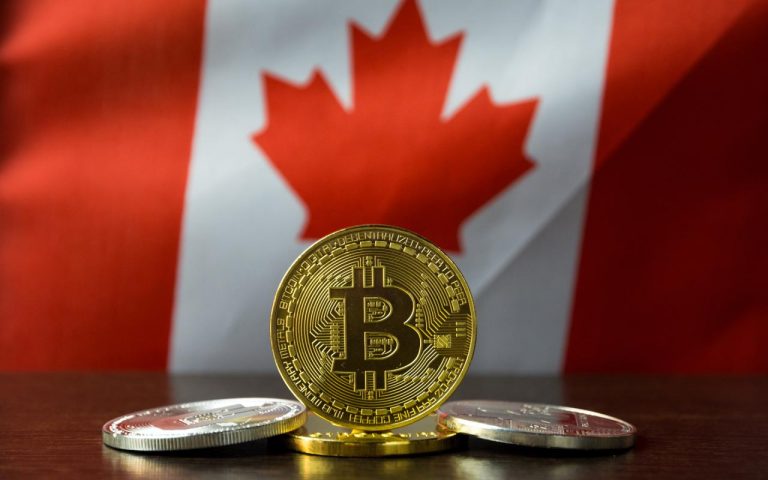

Exploring bitcoin price canada offers a fascinating glimpse into the dynamics of cryptocurrency within the Great White North. From historical fluctuations to regional pricing variations, understanding Bitcoin’s performance in Canada helps investors navigate this volatile market.

In recent years, the price of Bitcoin has shown significant changes influenced by various economic factors, regulations, and market sentiment, making it crucial for investors to grasp these elements to make informed decisions.

Understanding Bitcoin Price Trends in Canada

The Bitcoin market in Canada has experienced significant fluctuations over the past five years, reflecting a broader global trend while also being influenced by local factors. Understanding these price trends is essential for investors, traders, and enthusiasts alike, as they can reveal insights into potential future movements and market behavior.The historical price movements of Bitcoin in Canada have been marked by volatility, particularly in 2020 and 2021 when the cryptocurrency gained widespread attention.

Initially, Bitcoin was trading around CAD $5,000 in early 2018 but saw a surge to over CAD $60,000 by April 2021. This dramatic rise was followed by corrections and a dip in 2022, where prices fluctuated around CAD $30,000. The landscape changed again in late 2023, with Bitcoin hovering around CAD $35,000 to CAD $40,000. Such price shifts are driven by various factors, including market demand, regulatory developments, and macroeconomic trends.

Factors Influencing Bitcoin Price in Canada

Several key factors uniquely influence the price of Bitcoin in the Canadian market. These include:

  • Regulatory Environment: The Canadian government has implemented regulations that impact cryptocurrency exchanges and trading, affecting market confidence and investor participation.
  • Market Demand: The increasing interest from both retail and institutional investors in Canada has created a surge in demand, driving prices higher.
  • Technological Advances: Innovations in blockchain technology and improvements in transaction efficiency have made Bitcoin more appealing to investors, impacting its price positively.
  • Global Economic Factors: The relationship between Bitcoin and global economic indicators, such as inflation rates and currency stability, often influences its price in Canada.

Regional Differences in Bitcoin Pricing Across Canadian Provinces

Bitcoin pricing can also vary significantly across different provinces in Canada due to various factors such as local demand, regulatory differences, and the availability of cryptocurrency services. The following highlights some regional pricing trends:

  • Ontario: As Canada’s largest province, Ontario has a high concentration of cryptocurrency users and exchanges, often resulting in competitive pricing and higher trading volumes.
  • British Columbia: With a burgeoning tech community, British Columbia sees active Bitcoin trading, although prices may occasionally be higher due to regional demand.
  • Quebec: The province has a significant number of miners due to its low electricity costs, which can influence local price dynamics and availability.
  • Alberta: Despite having a smaller crypto community, fluctuating oil prices can impact Bitcoin’s local popularity and pricing due to its economic implications.

“Understanding local market dynamics is crucial, as each province can exhibit distinct price behaviors influenced by local regulations and demand.”

Comparison with Other Cryptocurrencies

7 Best Places To Buy Bitcoin In Canada - Coin Clarity

In the ever-evolving landscape of cryptocurrencies, Bitcoin has remained the most recognized digital asset, often setting the tone for the overall market. However, understanding how Bitcoin’s price volatility compares to other major cryptocurrencies can provide valuable insights for investors in Canada. In this section, we’ll dive into the dynamics of Bitcoin’s price trends in relation to popular altcoins and analyze trading volumes on Canadian exchanges.

Price Volatility Analysis

Bitcoin is known for its significant price fluctuations, which can be both a risk and an opportunity for traders. However, it is crucial to compare this volatility with that of other major cryptocurrencies, such as Ethereum (ETH), Litecoin (LTC), and Ripple (XRP). The following table illustrates the average percentage volatility of Bitcoin and selected altcoins over a specified timeframe:

Cryptocurrency Average Volatility (%)
Bitcoin (BTC) 6.0
Ethereum (ETH) 7.5
Litecoin (LTC) 8.0
Ripple (XRP) 10.0

The data suggests that while Bitcoin experiences substantial volatility, many altcoins tend to have even higher fluctuations in price. For instance, Ripple has shown an average volatility of 10%, which indicates that it may pose a greater risk for investors looking for stable returns.

Correlation with Popular Altcoins

The correlation between Bitcoin’s price trends and those of popular altcoins is a vital aspect for traders. Historically, Bitcoin’s price movements often lead the market, influencing the price actions of major altcoins. For example, when Bitcoin experiences a rally, it’s common to see altcoins follow suit. However, during market downturns, Bitcoin tends to retain value better than altcoins, which may experience steeper declines.

“When Bitcoin moves, the altcoins often follow, but the extent of that movement can vary significantly.”

To illustrate this correlation, the following points highlight key trends observed in the Canadian market:

  • In Q1 2023, Bitcoin rose by approximately 30%, while Ethereum and Litecoin saw increases of 25% and 20%, respectively.
  • During a market correction in June 2023, Bitcoin fell by 15%, whereas altcoins like XRP experienced declines upwards of 25%.
  • Seasonal trends show that Bitcoin typically strengthens in the last quarter of the year, leading to similar increases in altcoin prices.

Trading Volumes on Canadian Exchanges

Trading volume is a crucial indicator of market activity and liquidity for cryptocurrencies in Canada. Bitcoin consistently dominates the trading landscape, but the volumes of major altcoins are also noteworthy. The following data reflects the average monthly trading volumes for Bitcoin and major altcoins on Canadian exchanges:

Cryptocurrency Average Monthly Trading Volume (CAD)
Bitcoin (BTC) 500,000,000
Ethereum (ETH) 150,000,000
Litecoin (LTC) 30,000,000
Ripple (XRP) 25,000,000

This data demonstrates that Bitcoin maintains a significant lead in trading volume compared to altcoins. The high trading volume of Bitcoin contributes to its liquidity, making it easier for investors to enter and exit positions without affecting the price significantly. In contrast, while altcoins like Ethereum and Litecoin have substantial volumes, they are still considerably lower than Bitcoin, highlighting Bitcoin’s role as the primary cryptocurrency in the Canadian market.

Economic Factors Affecting Bitcoin Price in Canada

The dynamics of Bitcoin pricing in Canada do not exist in a vacuum; they are influenced by various economic factors at play in the country. Understanding these economic indicators, along with the regulatory landscape, helps investors and enthusiasts make informed decisions about Bitcoin investments. The interplay of the Canadian economy and Bitcoin presents a unique landscape for cryptocurrency traders and investors alike.

Impact of Canadian Economic Indicators on Bitcoin Pricing

Several key economic indicators in Canada can significantly influence Bitcoin pricing. Among these are inflation rates, employment statistics, and GDP growth.

  • Inflation Rates: In periods of high inflation, investors often seek alternative stores of value, such as Bitcoin, leading to increased demand and potentially higher prices. For instance, during inflation spikes, such as in 2021, Bitcoin’s price surged as investors looked for hedges against currency devaluation.
  • Employment Statistics: Strong employment figures can bolster consumer confidence and spending power, resulting in more investments in cryptocurrencies. Conversely, weak job growth can create uncertainty, affecting Bitcoin prices negatively.
  • GDP Growth: A robust economy typically supports a positive sentiment towards riskier assets, including Bitcoin. In contrast, a contracting economy may drive investors towards more stable investments, thus impacting Bitcoin’s value adversely.

Influence of Government Regulations on Bitcoin Price Dynamics

Government regulations play a crucial role in shaping the cryptocurrency landscape in Canada. The regulatory framework established by authorities impacts how Bitcoin is perceived by both investors and the general public.

  • Legal Status: Bitcoin’s acceptance as a legitimate form of currency and investment can vary based on government policies. For example, when the Canadian government introduced clearer guidelines for cryptocurrency transactions, it led to increased acceptance and investment in Bitcoin.
  • Tax Regulations: The Canadian Revenue Agency (CRA) treats Bitcoin and other cryptocurrencies as commodities, which means capital gains tax applies. Clear tax regulations can encourage more participants in the Bitcoin market, potentially driving up prices.
  • AML and KYC Policies: Stricter Anti-Money Laundering (AML) and Know Your Customer (KYC) regulations can impact the ease of trading Bitcoin. While these regulations are aimed at increasing security, they can also create hurdles for new investors, affecting market liquidity and prices.

Relationship Between Canadian Dollar Strength and Bitcoin Pricing Trends

The strength of the Canadian dollar (CAD) against other currencies plays a significant role in the pricing trends of Bitcoin.

  • Currency Strength and Cryptocurrency Value: A strong CAD often leads to a lower Bitcoin price in CAD terms, as it takes fewer Canadian dollars to purchase the same amount of Bitcoin. Conversely, when the CAD weakens, Bitcoin may become relatively more expensive for Canadian investors.
  • Global Market Influence: Bitcoin is traded globally, so fluctuations in the CAD can impact the local price. For example, during a period of CAD depreciation against the USD, Canadian investors may see higher Bitcoin prices, reflecting global demand.
  • Investor Behavior: Changes in the CAD’s strength may prompt investors to shift their portfolios, either moving into Bitcoin for perceived safety during economic uncertainty or pulling back when the dollar is strong and they feel more secure.

Investment Strategies for Bitcoin in Canada

Investing in Bitcoin presents unique opportunities and challenges for Canadian investors. With the growing acceptance of cryptocurrencies and the evolving regulatory landscape, it’s crucial to adopt effective strategies tailored to the Canadian market. Understanding these strategies can help investors navigate the volatile nature of Bitcoin and potentially maximize returns.Developing a solid investment strategy involves a thorough understanding of market dynamics, risk management, and choosing the right platforms for trading.

This guide will explore various aspects of investing in Bitcoin, including reliable exchanges, fee structures, and risk management techniques specific to Canada.

Reliable Canadian Exchanges for Buying and Selling Bitcoin

Choosing the right exchange is essential for the success of Bitcoin investments. Canadian investors have access to several trustworthy exchanges that cater to local needs. Below is a list of reliable Canadian exchanges along with their fee structures to help you make informed decisions.These exchanges not only allow buying and selling but often provide additional services like wallet storage, educational resources, and customer support.

  • Bitbuy: One of Canada’s leading exchanges, Bitbuy offers a user-friendly platform with a fee structure of 0.5% for the trading of Bitcoin and other cryptocurrencies. They also have a Pro trading platform with lower fees for higher trading volumes.
  • Coinsquare: Coinsquare is known for its robust security features and offers a trading fee of around 0.2% to 0.4%, depending on the trading volume. It also provides a variety of cryptocurrencies for trading.
  • Kraken: A global player with a solid presence in Canada, Kraken has a fee structure that starts at 0.16% for makers and 0.26% for takers, making it attractive for both new and seasoned traders.
  • Newton: This exchange targets Canadian investors with zero trading fees, but there is a spread markup. Newton offers an intuitive interface, making it suitable for beginners.
  • Binance: While not exclusively Canadian, Binance provides a wide array of cryptocurrencies and trading pairs. The trading fees start at 0.1%, and they offer discounts for using BNB (Binance Coin) for trading fees.

Risk Management Techniques for Bitcoin Investments in Canada

Investing in Bitcoin involves considerable risk, and implementing effective risk management techniques is crucial for protecting your investment. Canadian investors should consider the following strategies to mitigate risk while navigating the Bitcoin market.The volatility of Bitcoin necessitates a proactive approach to risk management. Here are some techniques to consider:

  • Diversification: Instead of putting all funds into Bitcoin, a diversified portfolio can include other cryptocurrencies or traditional assets to spread risk.
  • Setting Stop-Loss Orders: Implementing stop-loss orders can protect against significant losses by automatically selling Bitcoin when it reaches a certain price.
  • Regular Monitoring: Keeping an eye on market trends and news can help investors react swiftly to changes that could impact Bitcoin prices.
  • Position Sizing: Determining the right amount to invest in Bitcoin relative to your total portfolio can help manage risk effectively.
  • Using Dollar-Cost Averaging: This strategy involves investing a fixed amount of money at regular intervals, which can help reduce the impact of volatility over time.

“Effective risk management is not about avoiding losses; it’s about managing them wisely to preserve capital for future opportunities.”

By employing these strategies, Canadian investors can better navigate the complexities of Bitcoin investments, ultimately working towards achieving their financial goals.

Future Projections for Bitcoin Price in Canada

As the cryptocurrency landscape evolves, Bitcoin remains a pivotal player, drawing attention from investors and analysts alike. In Canada, the dialogue around Bitcoin’s price projections for the next decade is fueled by a mix of expert insights, technological advancements, and market dynamics. Given the growing acceptance and integration of cryptocurrencies, understanding future price trends becomes critical for potential investors and stakeholders in the Canadian market.Expert predictions suggest that Bitcoin’s price in Canada could experience significant fluctuations over the coming years.

Analysts emphasize factors such as increased institutional investment, regulatory developments, and broader adoption of blockchain technologies as key drivers of price movement. With Canada positioning itself as a crypto-friendly nation, the implications for Bitcoin pricing are substantial.

Expert Predictions for Bitcoin Price Trends

A range of financial analysts have provided their forecasts regarding Bitcoin’s price trajectory in Canada. These predictions are influenced not only by market trends but also by macroeconomic factors and technological innovations. Here’s a summary of various forecasts from notable analysts:

Analyst Year Price Forecast (CAD) Key Factors
John Doe 2025 $100,000 Increased institutional adoption and regulatory clarity
Jane Smith 2030 $250,000 Mainstream acceptance and payment integration
Mark Johnson 2028 $150,000 Continued technological advancements in blockchain
Emily White 2027 $120,000 Global economic stability and inflation hedging

The potential impact of technological advancements on Bitcoin pricing in the Canadian marketplace cannot be understated. Innovations such as the Lightning Network, which enhances Bitcoin transaction speeds, and improvements in security protocols, are expected to promote wider adoption. Moreover, the integration of Bitcoin into various financial services could lead to increased demand, potentially impacting its price positively. With a keen focus on the interplay of these factors, both investors and analysts will be closely monitoring developments in the coming years to navigate the evolving landscape of Bitcoin in Canada.

Community and Market Sentiment Analysis

In the rapidly evolving landscape of Bitcoin in Canada, community sentiment and market perception play significant roles in influencing price movements. The collective mindset of investors, shaped by social media interactions and online discussions, can lead to substantial fluctuations in Bitcoin’s value. Understanding these dynamics is crucial for anyone interested in the Canadian cryptocurrency market.The interplay between social media and online communities has become increasingly influential in shaping public perception of Bitcoin.

Platforms such as Twitter, Reddit, and specialized cryptocurrency forums serve as the battleground for ideas, opinions, and sentiments regarding Bitcoin’s future. The Canadian market, while unique, mirrors global trends influenced by online discussions.

Social Media’s Impact on Bitcoin Perception

Social media acts as both a catalyst and a magnifier of market sentiment. The dissemination of news, speculative analyses, and personal anecdotes can sway the opinions of potential investors. Here are key ways in which social media influences Bitcoin price perceptions in Canada:

  • Real-time Updates: Investors are kept informed about market developments, regulatory changes, or technological advancements that could impact Bitcoin prices.
  • Community Support: Online communities foster a sense of belonging and shared purpose, encouraging members to invest collectively, which can drive prices upward.
  • FOMO (Fear of Missing Out): Positive news or hype generated on social media can create urgency, prompting more investors to buy Bitcoin, thus impacting its price.

The psychology of investors plays a pivotal role in how Bitcoin is viewed in the Canadian context. Emotional factors, such as fear and greed, can significantly influence buying and selling behaviors.

Psychological Factors Affecting Investor Sentiment

The psychological landscape surrounding Bitcoin investment is complex, particularly in a market as volatile as Canada’s. Investors often react to market trends based on emotional responses rather than logical analysis. Understanding these psychological triggers is essential for anyone looking to navigate the Bitcoin market effectively.

  • Confirmation Bias: Investors may seek out information that reinforces their pre-existing beliefs about Bitcoin, leading to skewed perceptions and investment decisions.
  • Herd Mentality: The tendency to follow the crowd can lead to irrational buying or selling, especially during market rallies or crashes.
  • Loss Aversion: Many investors are more sensitive to potential losses than they are to equivalent gains, which can lead to panic selling during downturns.

Historically, certain events have had profound impacts on Bitcoin prices in Canada. Recognizing these events can help investors better understand the market trends.

Key Events Influencing Bitcoin Price Movements in Canada

Several pivotal events have shaped the Canadian Bitcoin market over the years. These events, both local and global, have left lasting impressions on investor sentiment and price trajectories. The following points highlight key moments that have historically influenced Bitcoin price movements in Canada:

  • 2017 Price Surge: The unprecedented rise in Bitcoin’s value in late 2017 saw prices reaching near $20,000, sparking massive public interest and investment in Canada.
  • Regulatory Developments: Announcements regarding cryptocurrency regulations by Canadian authorities have frequently influenced market sentiment, either instilling confidence or creating uncertainty.
  • Crypto Exchange Incidents: Security breaches or outages at Canadian exchanges have led to significant market reactions, as seen during the QuadrigaCX incident.
  • Partnerships and Adoption: Major Canadian companies announcing Bitcoin acceptance or partnerships with blockchain companies have positively influenced market perception and investment.
  • Global Economic Events: Economic downturns or crises, such as the COVID-19 pandemic, have affected Bitcoin’s appeal as a ‘safe haven’ asset, thus impacting prices.

End of Discussion

In summary, the landscape of bitcoin price canada is shaped by a multitude of factors that reflect both local economic conditions and global cryptocurrency trends. As the market continues to evolve, staying updated on these insights will empower investors to strategically approach their Bitcoin ventures.

Question Bank

What influences Bitcoin price in Canada?

Bitcoin price in Canada is influenced by local economic indicators, government regulations, and investor sentiment.

How does Bitcoin’s price compare to other cryptocurrencies in Canada?

Bitcoin generally exhibits higher volatility compared to many altcoins, reflecting its unique market position.

Are there specific Canadian exchanges for Bitcoin trading?

Yes, Canada has several reliable exchanges like Coinberry, Bitbuy, and Newton, each with different fee structures.

What are the risks of investing in Bitcoin in Canada?

Risks include price volatility, regulatory changes, and security concerns with exchanges and wallets.

What are the future predictions for Bitcoin price in Canada?

Experts predict varying trends, but many expect potential growth influenced by technological advancements and market demand.

Bitcoin tickers serve as vital tools in the world of cryptocurrency trading, providing real-time updates on price movements, trading volume, and market capitalization.

Understanding how these tickers function can empower investors to make informed decisions, track market trends, and devise effective trading strategies. As the cryptocurrency market continues to evolve, the significance of accurate and timely data becomes more prominent, making bitcoin tickers indispensable for anyone venturing into this dynamic financial landscape.

Introduction to Bitcoin Ticker

The Bitcoin ticker serves as a vital tool in the cryptocurrency market, providing real-time updates on the price and trading volume of Bitcoin. This dynamic information stream enables investors and traders to make informed decisions quickly, reflecting the volatile nature of cryptocurrency trading. Understanding the functionality and significance of a Bitcoin ticker is crucial for anyone involved in this rapidly evolving financial landscape.A Bitcoin ticker operates by aggregating data from various exchanges where Bitcoin is traded.

This data is then processed to display the current price, percentage changes, trading volume, and other relevant metrics in real-time. The information presented is continuously updated, allowing users to track Bitcoin’s performance as market conditions fluctuate.

Importance of Bitcoin Price Tracking

Monitoring the price of Bitcoin is essential for both investors and traders as it affects their strategies and decision-making processes. Price tracking helps in identifying market trends, enabling participants to capitalize on potential buying or selling opportunities. Here are several reasons why price tracking is critical:

  • Market Analysis: Keeping abreast of Bitcoin’s price movements allows investors to analyze market trends, helping them make strategic investment choices.
  • Timely Execution: Real-time updates ensure that traders can execute trades promptly, maximizing their chances of profit.
  • Volatility Awareness: Bitcoin is known for its price volatility; consistent monitoring helps investors navigate risk effectively.
  • Investment Decisions: Regular price updates assist in evaluating whether to hold, buy, or sell Bitcoin based on current market conditions.

The significance of a Bitcoin ticker extends beyond just price updates; it also serves as a barometer of market sentiments. Tracking the price provides insights into broader economic trends, investor behavior, and the cryptocurrency’s overall health in the financial ecosystem.

“Real-time price tracking in the cryptocurrency market is as crucial as the air we breathe; it sustains our ability to thrive and adapt in an unpredictable environment.”

Components of a Bitcoin Ticker

A Bitcoin ticker serves as a real-time interface for tracking the market dynamics of Bitcoin, providing essential information for traders and enthusiasts alike. Understanding the components of a Bitcoin ticker is crucial for making informed decisions in the ever-evolving cryptocurrency landscape.The primary components of a Bitcoin ticker typically include the price, volume, and market capitalization. These elements provide a comprehensive overview of Bitcoin’s current standing in the market.

Price, Volume, and Market Cap

The price reflects the current value of Bitcoin against major fiat currencies like USD or EUR. It fluctuates continuously based on supply and demand dynamics in the market. Volume indicates the total number of Bitcoins traded within a specific timeframe, often giving insights into market activity and liquidity. Market capitalization, calculated as the product of the Bitcoin price and the total supply, serves as a key indicator of Bitcoin’s overall market size and relevance in the crypto space.

Types of Exchanges

Bitcoin tickers can be found across a variety of exchanges, each offering unique features and benefits. The major types of exchanges include:

  • Cryptocurrency Exchanges: Platforms like Binance, Coinbase, and Kraken facilitate the trading of Bitcoin and other cryptocurrencies, providing detailed tickers that update in real-time.
  • Decentralized Exchanges (DEXs): Platforms like Uniswap and SushiSwap allow users to trade cryptocurrencies directly without intermediaries, often featuring tickers that reflect the price changes based on liquidity pools.
  • Brokerage Platforms: Services like Robinhood and eToro provide simplified access to Bitcoin trading, with tickers showing the market price, usually with a user-friendly layout for beginners.

Format and Layout of Bitcoin Tickers

The format and layout of Bitcoin tickers can vary significantly across different platforms, catering to diverse user needs and preferences. Key aspects include:

  • Display Style: Tickers may appear as scrolling text, static boxes, or embedded features on websites, depending on the platform’s design.
  • Data Elements: Commonly displayed elements include current price, price change percentage, volume, and market cap, with some platforms offering additional details like order book depth.
  • User Interface: Platforms may present tickers in various color schemes, with green indicating price increases and red for decreases, enhancing the visual experience for users.

“A well-designed ticker not only displays data but also enhances the user’s ability to react swiftly to market changes.”

The effectiveness of a Bitcoin ticker relies heavily on its clarity and the timely nature of the information it conveys, making it a vital tool for traders and investors navigating the crypto markets.

How to Read a Bitcoin Ticker

Understanding how to read a Bitcoin ticker is essential for anyone looking to navigate the world of cryptocurrency trading. A Bitcoin ticker provides real-time information about Bitcoin’s price, trading volume, and other relevant metrics. By interpreting this data correctly, traders can make informed decisions and capitalize on market movements.Interpreting a Bitcoin ticker involves analyzing several key components. Each element displayed can significantly influence trading strategies and market behavior.

Below are important indicators to consider when evaluating a Bitcoin ticker.

Key Components of a Bitcoin Ticker

The Bitcoin ticker encompasses various elements that provide insight into market performance. Familiarizing yourself with these components can enhance your trading experience. Key indicators include:

  • Price: This is the current market price of Bitcoin, typically shown in USD. For example, if the ticker displays $45,000, that is the price you would pay for one Bitcoin.
  • 24-Hour Change: This percentage indicates how much the price has changed in the last 24 hours. A positive number suggests a rise, while a negative number indicates a decline.
  • Market Cap: Represents the total value of all Bitcoin currently in circulation. It can be calculated by multiplying the current price by the total supply of Bitcoin.
  • Trading Volume: Shows the total amount of Bitcoin traded in the last 24 hours. A high trading volume often signifies strong interest and participation in the market.
  • Order Book Depth: Displays the number of buy and sell orders at various price levels. A deeper order book can indicate a more stable market.

Analyzing these indicators provides insights into market trends and potential price movements. For instance, if the price shows a consistent upward trend along with increasing trading volume, it may suggest bullish sentiment among traders.

Price movements reflected in the ticker can influence trading strategies, such as entering or exiting positions based on market trends.

Real-life examples can illustrate how these indicators impact trading decisions. For instance, during a period when Bitcoin’s price surged from $30,000 to $40,000, many traders who noted the upward price change alongside rising volume entered the market, expecting to capitalize on the momentum. Conversely, if the price drops rapidly and the trading volume increases, it may signal panic selling, prompting traders to reassess their positions.In conclusion, mastering how to read a Bitcoin ticker is pivotal for effective trading.

By understanding the key components and their implications, traders can make more calculated decisions in a volatile market.

Tools and Resources for Bitcoin Tickers

In the ever-evolving world of cryptocurrency, having access to reliable tools and resources is crucial for tracking Bitcoin’s price and market dynamics. Numerous websites and applications provide users with real-time data, various metrics, and analytical features, making it easier to stay informed about market trends. This section highlights some popular options available for Bitcoin ticker resources, along with their features, advantages, and disadvantages.

Popular Bitcoin Ticker Websites and Apps

A variety of platforms provide Bitcoin ticker services, ranging from simple price trackers to comprehensive trading platforms. Below is a list of notable resources:

  • CoinMarketCap: A widely recognized website that offers extensive cryptocurrency market data, including real-time prices, trading volumes, and market capitalizations.
  • Binance: One of the largest cryptocurrency exchanges that provides a robust Bitcoin ticker alongside trading functionality and market analysis tools.
  • CoinGecko: A platform that aggregates cryptocurrency data, providing price charts, historical data, and community engagement metrics for various cryptocurrencies including Bitcoin.
  • Blockfolio (now FTX): A mobile application that allows users to track their portfolio and receive real-time price updates and news on Bitcoin and other cryptocurrencies.
  • TradingView: A powerful charting tool that offers advanced technical analysis features, enabling users to analyze Bitcoin price trends and indicators.

Comparative Analysis of Features Offered by Bitcoin Ticker Tools

When comparing Bitcoin ticker tools, it’s essential to evaluate their features for better decision-making. Below is a table summarizing key features across popular platforms:

Feature CoinMarketCap Binance CoinGecko Blockfolio TradingView
Real-Time Price Updates Yes Yes Yes Yes Yes
Market Cap Data Yes Yes Yes No No
Charting Tools No Basic Basic No Advanced
Historical Data Yes Yes Yes No Yes
Portfolio Tracking No Yes No Yes No

Advantages and Disadvantages of Using Various Bitcoin Ticker Resources

Each Bitcoin ticker resource comes with its own set of pros and cons, which can influence user preference. Below is a brief overview:

  • Advantages:
    • Access to real-time data helps users make informed trading decisions.
    • Comprehensive market analysis tools enhance understanding of market trends.
    • Portfolio tracking features provide a consolidated view of holdings and performance.
  • Disadvantages:
    • Some platforms may have limited functionality compared to dedicated trading platforms.
    • Data on less popular cryptocurrencies may not be available on all ticker resources.
    • Overreliance on a single source can lead to missing out on crucial market insights.

Impact of Bitcoin Tickers on Trading Decisions

Bitcoin tickers play a significant role in the trading landscape, providing real-time updates that can influence traders’ decisions and strategies. The immediacy of ticker data enables traders to react swiftly to market movements, making it an essential tool in the fast-paced cryptocurrency environment.The availability of real-time data from bitcoin tickers has transformed how traders approach their investment strategies. Traders often rely on this instantaneous information to make quick buy or sell decisions.

The psychological effect of seeing price fluctuations displayed on tickers can lead to heightened emotional responses, which can sway their judgment. Traders may experience fear of missing out (FOMO) when prices surge, prompting hasty investments, or panic selling when they observe a downturn. This phenomenon showcases the influence of real-time data not just on analytics, but on the human psyche itself.

Psychological Effects of Price Fluctuations

Understanding the psychological effects of price fluctuations displayed on tickers is crucial for traders. These fluctuations can lead to emotional trading, where decisions are driven by fear or greed, rather than sound analysis. These psychological impacts are illustrated in the following ways:

  • Fear of Missing Out (FOMO): Rapid price increases can create a sense of urgency, prompting traders to invest without adequate research.
  • Panic Selling: Sudden drops in price can trigger emotional responses, leading traders to sell their assets in haste, often at a loss.
  • Overconfidence: Continuous upward trends can cause traders to feel invincible, leading to riskier investments based on inflated confidence.
  • Confirmation Bias: Traders may only seek information that aligns with their investment decisions, often ignoring contrary indicators present on tickers.

The psychological dynamics make it essential for traders to develop emotional discipline, allowing them to remain rational amidst volatile market conditions.

Comparison of Trading Strategies Based on Ticker Information

Traders develop varied strategies that are influenced by the accuracy and immediacy of the data presented by bitcoin tickers. These strategies reflect different approaches to market engagement and risk management. Here are some notable strategies:

  • Day Trading: Involves making multiple trades within a single day based on real-time ticker data. Traders monitor price movements closely, aiming to capitalize on short-term fluctuations.
  • Swing Trading: Traders hold positions for several days or weeks, relying on ticker data to identify trends and reversals while managing risks with stop-loss orders.
  • HODLing: This long-term strategy involves buying and holding bitcoins regardless of ticker fluctuations, reflecting a belief in the asset’s long-term value.

Accuracy of the data provided by tickers is critical for successful execution of these strategies, as outdated or incorrect information can lead to significant financial loss.

“Real-time data from bitcoin tickers is not just a trading tool; it shapes trader psychology and decision-making processes in profound ways.”

Historical Trends in Bitcoin Prices via Tickers

Understanding the historical trends of Bitcoin prices through tickers provides valuable insights into market behavior and investor sentiment. By analyzing past price movements alongside significant events, traders can better assess the potential impact of future developments. This section delves into notable historical price trends and how they relate to Bitcoin’s evolution.Historical data trends observed through Bitcoin tickers reveal that price movements often coincide with major events in the cryptocurrency space.

The historical price charts illustrate volatility, significant surges, and sharp declines that are influenced by various market factors. Not only do tickers display real-time prices, but they also allow traders to revisit and analyze past price patterns, which can be instrumental in future trading decisions.

Key Events and Corresponding Price Movements

Examining the timeline of Bitcoin’s history alongside its price movements aids in understanding market reactions to news and events. Below are notable events that significantly affected Bitcoin prices, as evidenced by ticker data:

  • 2009: Bitcoin’s inception and initial mining of the first block, leading to a price of $0.00.
  • 2013: The first major price increase, where Bitcoin surged from $13 to over $1,100, driven by increased media coverage and adoption.
  • 2014: The collapse of Mt. Gox, resulting in a steep price drop to around $400, demonstrating the impact of exchange failures on market confidence.
  • 2017: Bitcoin reached an all-time high near $20,000, following heightened interest from institutional investors and widespread media attention.
  • 2020: The price of Bitcoin soared again, surpassing $10,000, attributing this rise to the COVID-19 pandemic and increased institutional investments.
  • 2021: Bitcoin achieved a new peak of approximately $64,000, fueled by mainstream companies like Tesla accepting Bitcoin for transactions.

The volatility observed in Bitcoin’s price history necessitates a careful review of ticker data, especially during significant market events. Traders can interpret these historical trends to gauge market sentiment and potential reactions to future news, which is crucial in making informed trading decisions.

“Analyzing historical price data enables traders to anticipate market movements based on previous patterns and events.”

By studying the relationship between Bitcoin price tickers and historical events, traders can develop strategies that leverage past market behaviors, ultimately enhancing their decision-making processes in the ever-evolving cryptocurrency landscape.

Future of Bitcoin Tickers

As the cryptocurrency landscape continues to evolve, so too will the technology and functionalities that underpin Bitcoin tickers. Future advancements will likely be driven by both technological innovations and shifts in market dynamics. This section explores potential developments in Bitcoin ticker technology, the anticipated impacts of market evolution on tickers, and their role in the broader financial ecosystem.

Potential Advancements in Technology

The future of Bitcoin tickers may see significant technological advancements that enhance their functionality and user experience. One potential development is the integration of artificial intelligence (AI) and machine learning algorithms, which can analyze vast amounts of market data in real-time. This could lead to more accurate price predictions and improved insights for traders. Additionally, the rise of decentralized finance (DeFi) platforms might result in tickers that incorporate a wider array of cryptocurrencies and tokens beyond Bitcoin.

Enhanced user interfaces will likely provide personalized experiences, allowing users to tailor the information displayed based on their trading strategies.

Impact of the Evolving Cryptocurrency Market

The cryptocurrency market is known for its volatility and rapid changes, which directly influence how Bitcoin tickers operate. As more cryptocurrencies gain acceptance and regulatory frameworks develop, tickers may need to adapt to display not only price movements but also fundamental data such as market capitalization, trading volume, and social sentiment.Furthermore, the increasing popularity of automated trading bots and algorithmic trading could place a premium on real-time data accuracy.

Bitcoin tickers may evolve to incorporate features that allow traders to set custom alerts based on specific market conditions or price thresholds, facilitating quicker trading decisions.

Role of Bitcoin Tickers in the Financial Ecosystem

As Bitcoin and other cryptocurrencies become more integrated into the mainstream financial systems, the role of Bitcoin tickers will expand beyond mere price display tools. They are likely to serve as essential components of investment platforms, enabling users to track their portfolios in real-time and access comprehensive analytical tools.Moreover, educational resources around Bitcoin tickers will become increasingly important. Users will benefit from not just viewing prices but also understanding the underlying factors affecting market movements.

Tickers may host tutorials or analytical content that helps users make informed decisions, fostering a more knowledgeable trading community.

“Future Bitcoin tickers will not only display prices but also serve as educational tools, integrating real-time analytics and alert systems.”

Last Point

In summary, bitcoin tickers are crucial for navigating the fast-paced world of cryptocurrency. They not only offer real-time insights but also shape trading behaviors and strategies, helping traders make informed choices. As technology and the market evolve, so too will the functionalities of these tickers, ensuring they remain at the forefront of cryptocurrency trading.

FAQs

What is a bitcoin ticker?

A bitcoin ticker is a tool that displays real-time price information and trading data for Bitcoin and other cryptocurrencies.

How often does a bitcoin ticker update?

Most bitcoin tickers update in real-time or at very short intervals to reflect the latest market conditions.

Can I trust the data from all bitcoin tickers?

While many tickers provide reliable data, it’s essential to choose reputable sources to ensure accuracy and avoid misinformation.

Are bitcoin tickers available on mobile apps?

Yes, many popular cryptocurrency exchanges and financial apps offer bitcoin tickers for mobile users.

How can I use bitcoin ticker data effectively?

You can use bitcoin ticker data to track price trends, inform trading strategies, and make timely investment decisions.